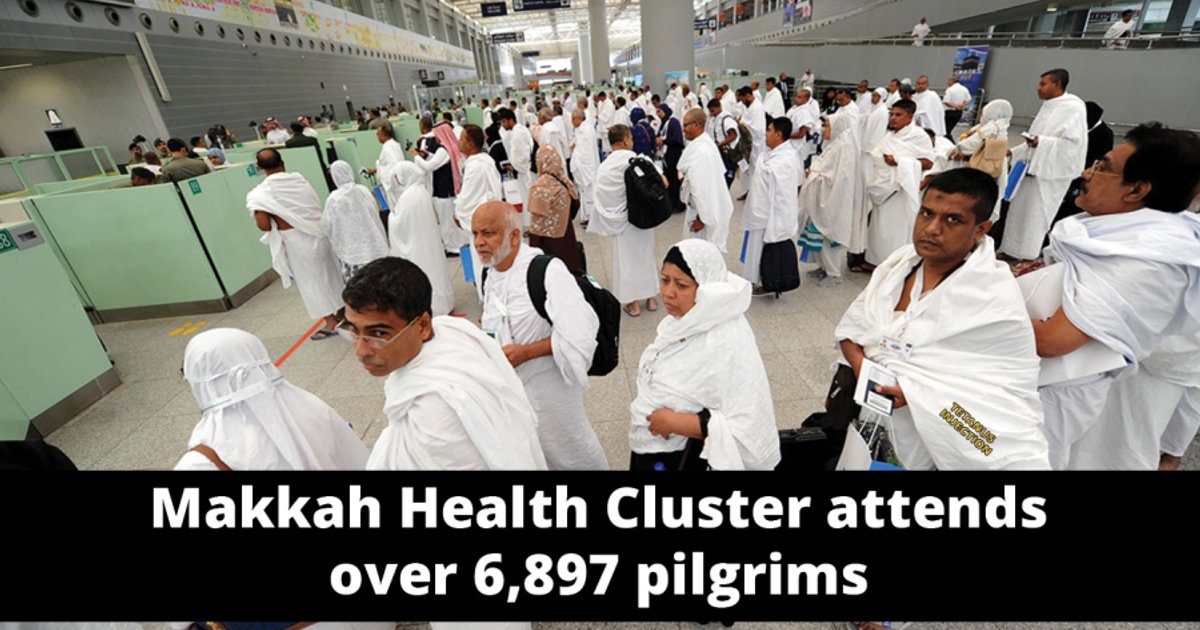
Klinik Kesehatan Haji Indonesia (KKHI) has launched a new service system for pilgrims in Mecca during the 2026 Hajj season. The new system, operating under the concept of an Urgent Care Center (UCC), will function 24 hours a day without requiring hospital stays.
The head of the health department at Daker Makkah, Edi Supriatna, confirmed that this system represents a radical change in the way healthcare services are provided to pilgrims compared to previous years. He stated, "This year, there will be no hospital stays at KKHI; all services will be based on outpatient care, with the possibility of referrals for emergency cases."
Event Details
As part of the implementation of the urgent care system, medical cases will be classified according to their level of urgency. Patients suffering from severe conditions (level 1-2) will be referred directly to government hospitals in Saudi Arabia, while moderate cases (level 3) will be treated at KKHI facilities, and health teams at health points will handle mild cases (level 4-5).
To ensure efficient operation around the clock, 122 healthcare workers have been prepared, including 54 staff members at KKHI Mecca and 68 others across 10 different sectors. KKHI has also been equipped with support facilities such as radiology and laboratories that are not available at health points.
Background & Context
Historically, healthcare services provided to pilgrims have heavily relied on hospital stays, which has put pressure on the healthcare system. With the increasing number of pilgrims, it has become essential to develop a more efficient and flexible system. This change comes at a time when the number of pilgrims with high health risks has noticeably increased, with estimates indicating that over 70% of this year's pilgrims belong to this category, including 30% of the elderly.
This situation requires collaboration among various sectors to ensure the necessary care is provided, especially for the elderly who need special attention regarding health, transportation, and accommodation.
Impact & Consequences
This new system is considered an important step towards improving the quality of healthcare provided to pilgrims, as it will help reduce pressure on hospitals and ensure immediate care for emergency cases. Additionally, this system reflects global trends towards enhancing healthcare services by focusing on outpatient care and reducing the need for hospital stays.
It is expected that this system will enhance the overall Hajj experience, potentially leading to increased satisfaction among pilgrims and improved health during their rituals.
Regional Significance
Mecca is a significant religious center for Muslims worldwide; thus, any improvement in healthcare services for pilgrims will have a positive impact on Arab and Islamic countries. This system could serve as a model for other countries seeking to enhance their healthcare services during Hajj and Umrah seasons.
In conclusion, this development in the healthcare system for pilgrims represents a positive step towards improving health services and reflects the commitment of relevant authorities to provide a healthy and safe environment for pilgrims.