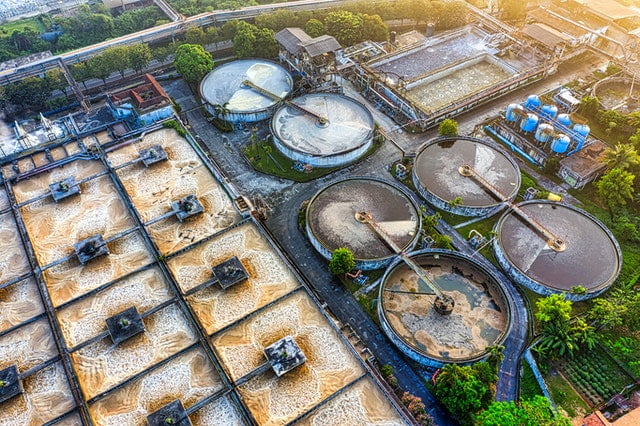
The Danantara Indonesia Investment Agency has announced the establishment of a new company named PT Daya Energi Bersih Nusantara, which will specialize in waste-to-energy projects in Indonesia. Founded on April 1, 2026, this initiative is part of the Indonesian government's efforts to improve waste management and promote environmental sustainability.
Commonly referred to as Denera, the company is part of the Danantara Investment Group and will be responsible for managing waste-to-energy projects. Fadhli Rahman, the investment director at Danantara, confirmed that the company will implement a comprehensive program for converting waste into energy, contributing to electricity production from waste.
Event Details
Denera will hold a 30% stake in each waste-to-energy project, while 70% will be allocated to investors and partners involved in construction and management projects. It is expected that building a single unit of these projects will require an investment ranging from 2.5 to 2.8 trillion Indonesian rupiah.
Fadhli noted that Denera will play a pivotal role in improving waste management, developing an integrated system that encompasses all stages of waste management, from collection and processing to recycling. The company will also strive to raise community awareness about the importance of better waste management.
Background & Context
Indonesia is one of the largest waste-producing countries in the world, facing significant challenges in effectively managing this waste. In recent years, the government has intensified its efforts to improve the waste management system, including waste-to-energy projects, which are seen as an innovative solution to the waste problem.
The need for waste-to-energy projects in Indonesia is increasing, as these initiatives are expected to help reduce the amount of waste sent to landfills while providing new energy sources. These projects align with global goals for sustainable development.
Impact & Consequences
The Denera project is a significant step towards improving waste management in Indonesia, helping to reduce the environmental impact of waste. By converting waste into energy, reliance on traditional energy sources can be diminished, contributing to sustainability goals.
Moreover, these projects are expected to create new job opportunities in the waste management and energy sectors, thereby boosting the local economy. They will also enhance the quality of life in local communities by reducing pollution and improving the environment.
Regional Significance
Indonesia's experience in waste-to-energy conversion serves as a model for the Arab region, where many countries face similar challenges in waste management. Arab nations can benefit from this experience to develop innovative solutions to waste problems, contributing to sustainable development.
Amid increasing environmental challenges, cooperation between Arab countries and Indonesia in waste management and renewable energy is a strategic step towards enhancing environmental sustainability and achieving global goals.