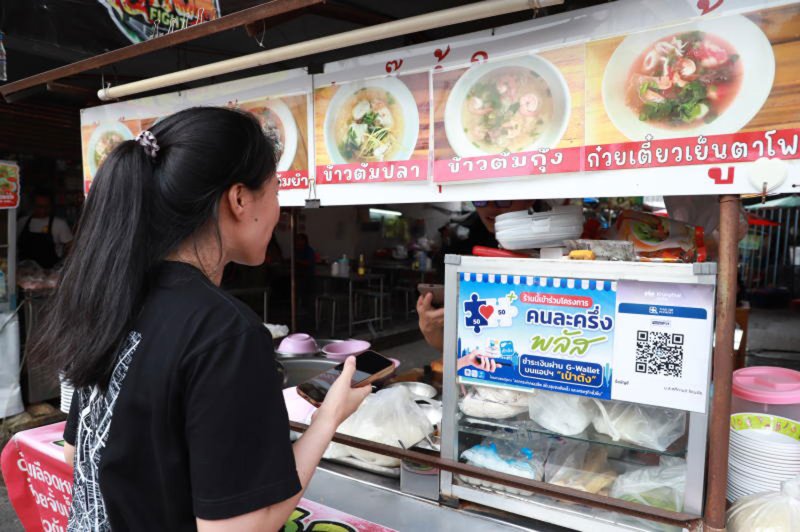
The Thai government intends to launch a new plan known as 'Khun La Khuoing' to assist citizens in coping with rising living costs, with implementation expected to commence after a policy statement is presented to parliament. This move comes at a time when many families are experiencing increasing economic pressures due to rising prices.
A government source revealed that the National Economic and Social Development Council (NESDC) is preparing additional short-term stimulus measures, alongside seven measures approved during a special cabinet meeting. These measures focus on supporting vulnerable groups, transport workers, and public service providers, aiming to contain rising costs.
Details of the Initiative
Following the presentation of the policy statement, the government will begin implementing the contribution program aimed at reducing household expenses. However, budget constraints will be taken into account before proceeding with this plan. The next phase of the contribution program is also expected to be considered after the completion of the spending plan for the fiscal year 2027.
Additionally, the NESDC is preparing measures to support middle-income earners who have expressed increasing concerns about rising living costs. In this context, the Ministry of Commerce plans to expand the list of regulated goods and services from 59 to 66 items, adding new products such as plastic pellets, bottled water, and common spices.
Background & Context
These measures come amid increasing economic pressures on Thai households, as the country has witnessed a significant rise in prices in recent months. This situation reflects global economic challenges, with many countries suffering from the effects of inflation and rising energy and food costs. Historically, Thailand has relied on tourism as a primary source of revenue, but the COVID-19 pandemic significantly impacted this sector, exacerbating economic conditions.
The Thai government aims to provide necessary support to citizens through these plans, especially given the difficult economic circumstances they face. Offering direct financial assistance or reducing prices on essential goods could help alleviate pressures on families and enhance the stability of the local economy.
Impact & Consequences
The new contribution plan is expected to positively affect Thai households by helping to reduce their financial burdens. Additionally, expanding the list of regulated goods may improve citizens' purchasing power, thereby enhancing the stability of the local market. However, the government must be cautious in managing the budget to ensure the sustainability of these programs.
These steps are part of a broader strategy aimed at promoting economic growth and improving living standards in the country. If these measures succeed, they could serve as a model for other countries facing similar issues.
Regional Significance
Thailand's experience in addressing rising living costs is particularly relevant for Arab countries, many of which face similar economic challenges. Arab governments could benefit from the strategies adopted by Thailand, such as providing direct support to families and expanding the list of regulated essential goods.
In light of the current global economic conditions, it is crucial for Arab countries to adopt effective policies to address rising prices and ensure market stability. Cooperation among countries in sharing experiences and practices can contribute to improving economic conditions in the region.