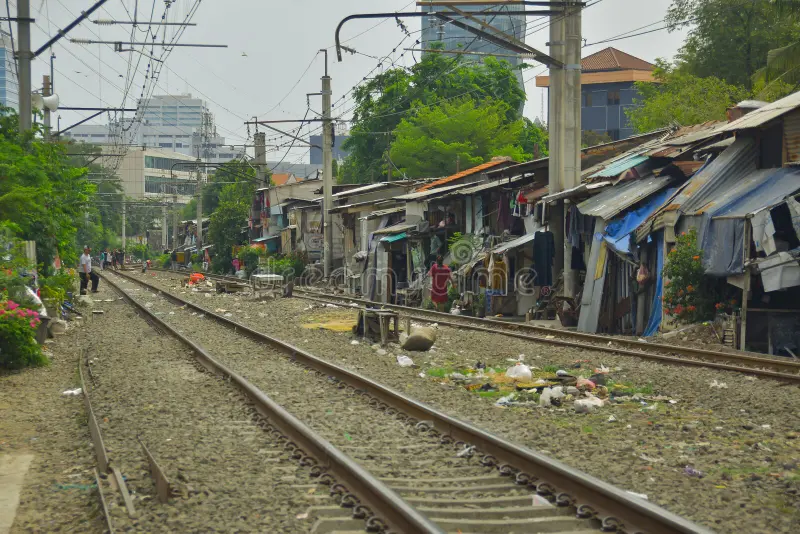
In a move aimed at improving living conditions in Indonesia's capital, Jakarta, Minister of Housing and Urban Development, Marwanar Sirat, announced a project to build new housing units in the Senen area. The project will be implemented on a 1.4-hectare plot of land owned by PT Angkasa Pura, relying on a public-private partnership model.
During a site visit, Sirat confirmed that the project will utilize a development model that involves private sector participation in construction while retaining public ownership of the land. This model aims to enhance cooperation between government institutions and private companies to achieve effective and beneficial outcomes for the community.
Event Details
The chosen site for the housing units is located on Kramat Raya Street, in the Senen area of central Jakarta. A final decision regarding the project details is expected to be made at a scheduled meeting next Wednesday. Sirat noted that this project is part of the government's efforts to provide adequate housing for citizens, especially those living in unsuitable conditions near the railway.
For his part, the head of the State-Owned Enterprises agency, Dani Oskaria, confirmed the agency's full support for the government's initiative to provide housing. He explained that improving the use of state-owned assets will be key to accelerating the project's implementation. He also emphasized the importance of providing safe and suitable housing for citizens, in line with the directives of Indonesian President Prabowo Subianto.
Background & Context
This step comes as part of the Indonesian government's efforts to address the housing crisis facing the country, where many citizens live in unsuitable conditions. President Subianto previously conducted a site visit to areas surrounding the railway in Senen, where he observed the difficult conditions faced by citizens. Consequently, several ministries and government agencies were directed to work on providing adequate housing and sanitary facilities for citizens.
Indonesia is considered one of the countries facing significant challenges in the housing sector, with estimates indicating that millions of citizens live in unsafe areas. Therefore, projects like this new initiative are seen as a positive step toward improving living conditions.
Impact & Consequences
This project is expected to have a significant positive impact on the local community, as it will provide new housing units for citizens suffering from a housing shortage. Additionally, cooperation between the public and private sectors may open new avenues for investment in future housing projects, contributing to the improvement of the country's infrastructure.
Moreover, this project reflects the Indonesian government's commitment to enhancing the quality of life for its citizens and bolsters sustainable development efforts in the country. It may also have positive effects on the local economy by creating new job opportunities in the construction sector.
Regional Significance
Although this project focuses on Indonesia, there are lessons that Arab countries facing similar housing challenges can learn from it. Many Arab nations suffer from a shortage of adequate housing, necessitating innovative strategies for public-private collaboration.
Arab countries can benefit from Indonesian experiences in developing housing projects, especially in urban areas suffering from population density. Strengthening partnerships between government and the private sector could be key to solving the housing crisis in many Arab nations.