In a controversial move, Jean-Luc Mélenchon, the leader of the 'France Unbowed' movement, has introduced new interpretations of the term 'New France,' igniting a wide-ranging debate in the French political arena. These statements come at a time when the country is witnessing social and ethnic transformations, as Mélenchon seeks to redefine French national identity in a changing context.
Historically, the term 'New France' has been used in various political contexts, but Mélenchon has added a new dimension by linking it to social and ethnic issues, making it appear as a political bombshell that could impact the country's future. Amid rising social tensions, these statements may serve as a call for change or even division.
Event Details
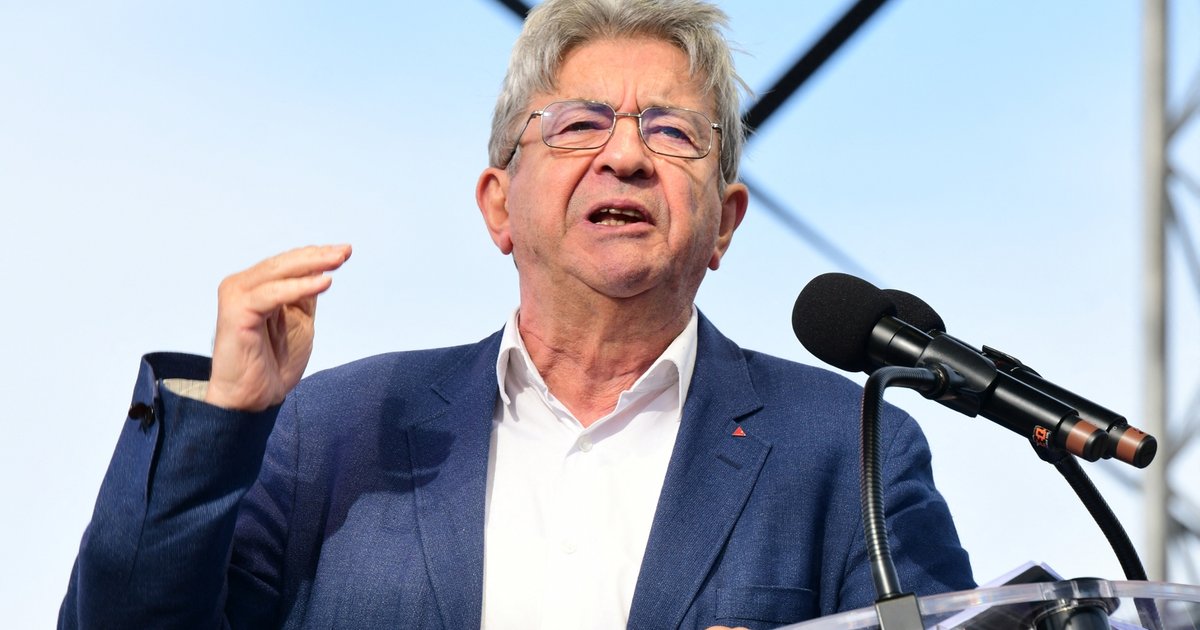
During a press conference, Mélenchon emphasized that 'New France' should reflect the cultural and ethnic diversity of the country, noting that national identity cannot be reduced to a single concept. He pointed out that the challenges facing France today require a new vision that transcends traditional boundaries.
This new direction has elicited mixed reactions from various political factions, with some viewing these statements as a pressing need for change, while others see them as an attempt to dismantle national identity. Mélenchon indicated that this vision is not just an idea but a call to action to build a more inclusive society.
Background & Context
Historically, France has undergone numerous transformations in its concept of national identity, especially following multiple waves of immigration that have affected its demographic makeup. In recent years, discussions around national identity have intensified, particularly with the rise of social and ethnic tensions. Recent political events, such as presidential elections, have contributed to the escalation of these discussions.
In this context, Mélenchon's statement is part of a broader strategy aimed at reshaping the political discourse in France. With growing concerns about the rise of the far-right, Mélenchon aims to present a radical alternative that aligns with the aspirations of youth and diverse communities.
Impact & Consequences
Mélenchon's statements could lead to radical changes in the French political landscape, potentially opening the door to a new dialogue about national identity. This dialogue may have profound implications for future policies, particularly in areas such as education, immigration, and integration.
Moreover, these statements could contribute to deepening divisions within French society, as some political factions might exploit them to advance their own agendas. At the same time, they may stimulate discussions about minority rights and the necessity of recognizing diversity as part of national identity.
Regional Significance
France is considered one of the European countries with significant influence on the Arab world, having historical and cultural ties with many Arab nations. Political and social transformations in France may affect its policies towards Arab countries, especially in areas of immigration and cultural cooperation.
Furthermore, discussions about national identity in France may reflect similar challenges faced by some Arab countries, where demands for recognition of cultural and ethnic diversity are increasing. France's experience in this context could serve as either inspiration or caution for Arab nations striving to achieve a balance between national identity and diversity.
In conclusion, Mélenchon's remarks about 'New France' are not just words; they are a call to reflect on the future of national identity amid social and ethnic changes. In a world characterized by constant change, the question remains: how can societies adapt to these changes without losing their identity?