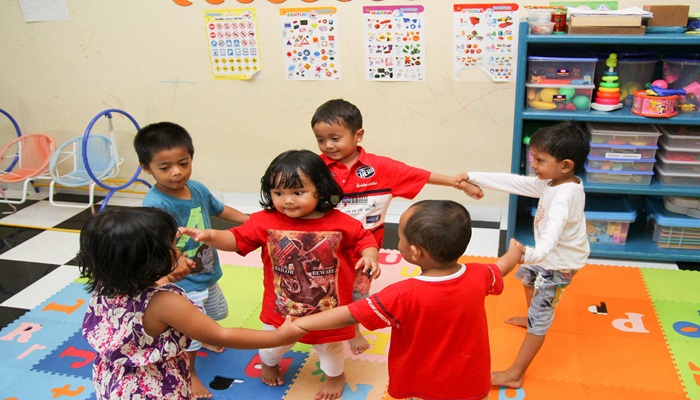
The Indonesian Ministry of Basic and Secondary Education (Kemendikdasmen) has announced the launch of a new portal to enhance the role of Punda Baud, aimed at supporting early childhood education in the country. This initiative was unveiled during a seminar in Jakarta, where officials stressed the importance of strengthening education in early childhood.
Kirnawan, the Director of Early Education at the ministry, stated that this initiative includes the preparation of a new guide for Punda Baud, which aims to unify visions and enhance collaboration among various institutions. He also pointed out that the goal of this step is to improve the quality of early education and ensure it reaches all children in Indonesia.
Details of the Initiative
The new initiative includes the preparation of a comprehensive guide for Punda Baud, which will serve as a reference for all stakeholders in the field of early education. This guide will enable them to perform their tasks more effectively, contributing to improved educational outcomes for children. Additionally, a new digital portal named Bijar Punda Baud has been launched, which will act as a platform for exchanging information and ideas among Punda Baud across Indonesia.
This initiative seeks to enhance cooperation among Punda Baud and facilitate the exchange of knowledge and experiences, thereby improving the quality of early education. The digital portal will also provide resources and tools to assist in designing and implementing appropriate educational programs for children.
Background & Context
Early education is considered one of the most critical stages of learning, significantly impacting children's growth and development. In Indonesia, the government aims to strengthen this sector by providing necessary support to teachers and educators. These steps are part of the government's commitment to implementing a 13-year compulsory education policy, which includes one year of preschool education.
Historically, Indonesia has witnessed increasing efforts to improve its education system, with numerous programs and initiatives launched to support early education. However, challenges remain regarding access to quality education in remote areas, necessitating further efforts to achieve educational equity.
Impact & Consequences
This initiative is expected to contribute to improving the quality of early education in Indonesia, as it will enhance the capacity of Punda Baud to implement effective educational programs. The new guide and digital portal will provide tools and resources that assist in improving educational performance.
Furthermore, enhancing early education may help reduce educational gaps between urban and rural areas, ensuring that all children have equal opportunities in education.
Regional Significance
Indonesia's experience in promoting early education serves as a model for the Arab region, where many countries face similar challenges in education. Arab nations can benefit from these initiatives to develop early educational programs aimed at improving the quality of education for children.
In conclusion, enhancing the role of Punda Baud in Indonesia represents an important step towards improving early education, contributing to building a better future for children. The exchange of experiences and knowledge among countries can lead to positive outcomes in this field.