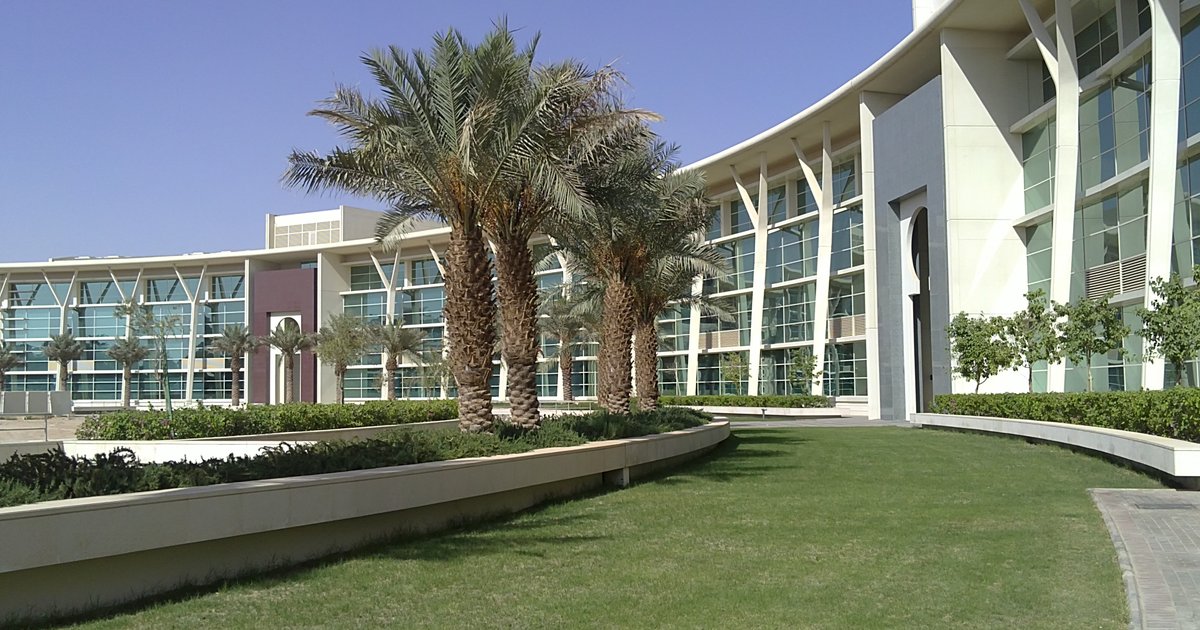
In a move that reflects the Kingdom's commitment to developing the sports sector, the Governor of Riyadh, Prince Faisal bin Bandar bin Abdulaziz, laid the foundation stone for new sports projects at Al-Faisal University. The total cost of these projects reaches 300 million riyals, showcasing the significant support the government provides for sports and youth.
The new sports facilities will include a range of advanced amenities that will contribute to providing an ideal environment for students to engage in various sports activities. These projects are expected to foster a culture of sports among youth and provide exceptional training opportunities.
Event Details
During the foundation-laying ceremony, Prince Faisal bin Bandar emphasized the importance of sports in the lives of youth and its role in building a healthy and active community. He noted that these projects align with the Kingdom's Vision 2030, which aims to enhance sports participation and develop infrastructure across various sectors.
The new projects will include the construction of multi-purpose fields, specialized sports facilities, as well as green spaces and recreational areas. These facilities are expected to host major sporting events, further enhancing the Kingdom's status as a regional and international sports destination.
Background & Context
Al-Faisal University is considered one of the leading educational institutions in the Kingdom and has played a significant role in advancing higher education. These sports projects come at a time when the Kingdom is witnessing a growing interest in sports, as sports represent a fundamental part of Vision 2030, which aims to improve the quality of life.
Over the past years, the Saudi government has invested significantly in developing sports facilities, with many stadiums and sports amenities established across various regions. This investment reflects the Kingdom's commitment to enhancing public health and physical fitness among citizens.
Impact & Consequences
The government anticipates that these projects will improve the fitness levels of youth, which will positively impact public health. Additionally, these facilities will create new job opportunities in training and sports management, thereby boosting the local economy.
Moreover, hosting major sporting events will enhance sports tourism in the Kingdom, attracting visitors from around the world. This will also help improve the Kingdom's positive image on the international stage.
Regional Significance
These projects serve as a model for other Arab countries, potentially inspiring governments in the region to invest in sports infrastructure. With the increasing interest in sports in the Arab world, developing sports facilities can contribute to enhancing cooperation among countries in this field.
Furthermore, promoting sports culture in universities can lead to improved academic performance among students, as studies have shown that physical activity positively affects concentration and academic achievement.
In conclusion, this initiative by the Governor of Riyadh marks a new beginning for sports in the Kingdom, reflecting the government's commitment to developing this vital sector. These projects are expected to contribute to achieving the goals of Vision 2030 and enhance the Kingdom's position as a key supporter of sports in the region.