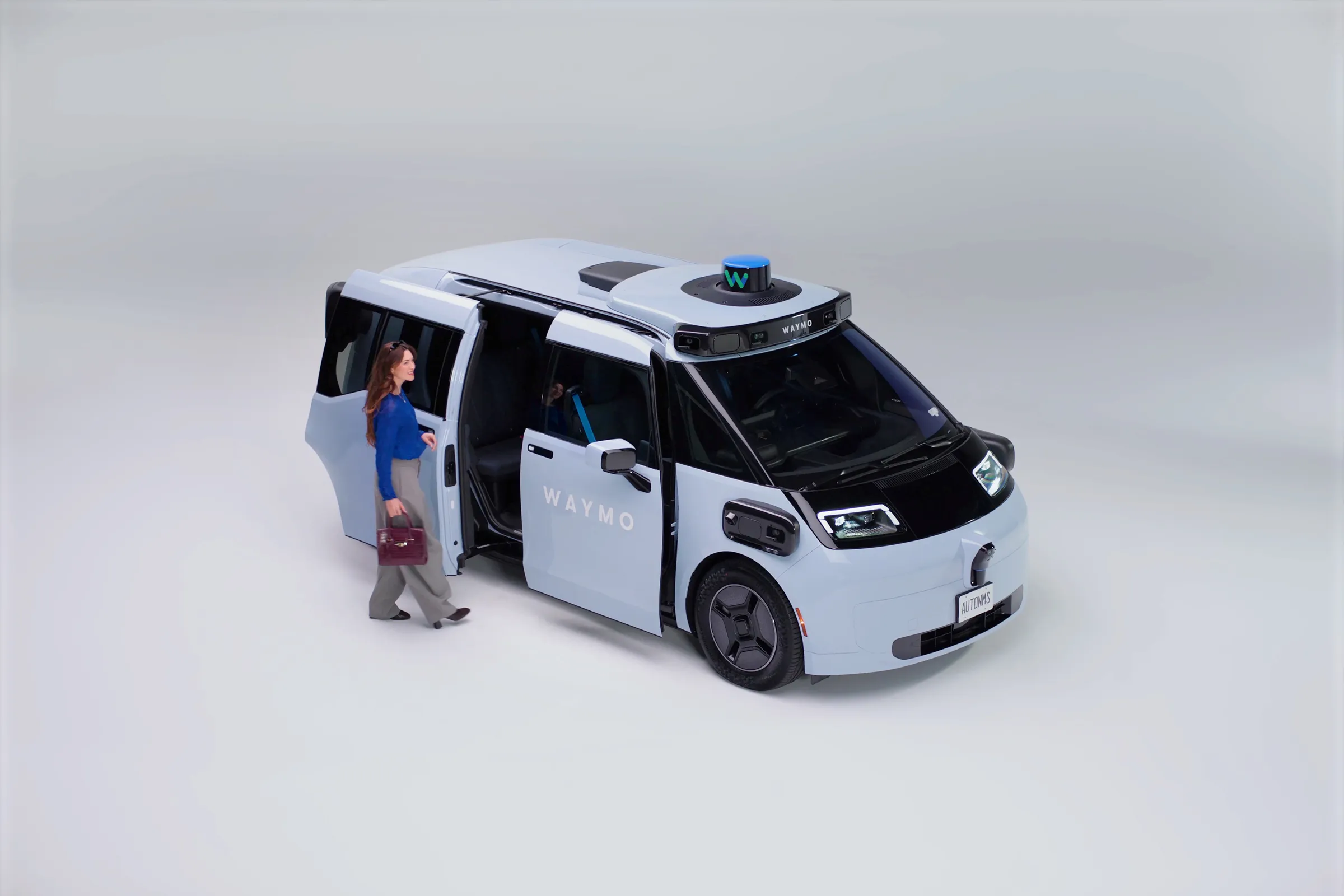
Waymo, a subsidiary of Alphabet, has officially launched its new robotic taxi service, Ojai, in cities across California and Arizona. These vehicles, characterized by their light blue color and boxy design, are equipped with a range of sensors and include a steering wheel, despite being designed to operate without drivers. Currently, rides in these new vehicles will be free of charge.
Ojai is the result of a lengthy process that began with Waymo's announcement in 2021, having been tested on public roads since 2024. However, the timing of its launch comes at a sensitive moment for Waymo, which suspended its services in six U.S. cities last week due to issues related to how its vehicles respond to flooding. Additionally, the highway driving program has been put on hold due to concerns regarding operations near construction zones.
Event Details
Ojai features a new design that differs from previous Waymo vehicles, as this vehicle has been specifically built for autonomous driving. It comes equipped with the latest hardware and software systems, utilizing advanced artificial intelligence technologies and integrating data from three types of sensors: cameras, lidar, and radar. Waymo appears to be looking to leverage these technologies as a key driver for expanding its services in the U.S. and globally.
Currently, Waymo operates in 11 U.S. markets and plans to launch services in 20 new areas, including London and Tokyo. Satish Jeyachandran, Vice President of Engineering at Waymo, stated that the new system is designed for long-term growth across multiple vehicle platforms, allowing the company to expand into various environments, including regions with harsh winters.
Background & Context
Over the past decade, Waymo has tested and deployed its technology in vehicles designed for human drivers, starting its services with hybrid Chrysler Pacifica vehicles and transitioning to fully electric Jaguar I-Pace cars in 2018. However, Ojai represents a new shift in the design of self-driving cars.
It is noteworthy that Ojai is a modified version of a mobility platform manufactured by the Chinese company Geely, with the vehicle's chassis built by Geely's Zeekr brand. This move is controversial, as Waymo faces criticism from some American politicians regarding its partnership with Chinese companies.
Impact & Consequences
The launch of Ojai is expected to provide many American passengers with the opportunity to interact with vehicles made in China for the first time. Although Waymo has obtained a license to operate autonomous vehicles in California, it is still awaiting permission to transport passengers for a fee, which could impact its expansion plans.
Waymo is also looking to add Hyundai Ioniq 5 models to its fleet of robotic taxis, reflecting its ongoing partnership with Hyundai since 2024.
Regional Significance
These developments in smart transportation could open new horizons for Arab countries seeking to adopt modern transportation technologies. Waymo's experience in providing smart transportation services could serve as a model for major Arab cities, contributing to improved transportation efficiency and reduced congestion.
In conclusion, the launch of Ojai marks an important step in Waymo's journey towards achieving its vision of smart transportation, reflecting the challenges and opportunities faced by companies in this growing sector.