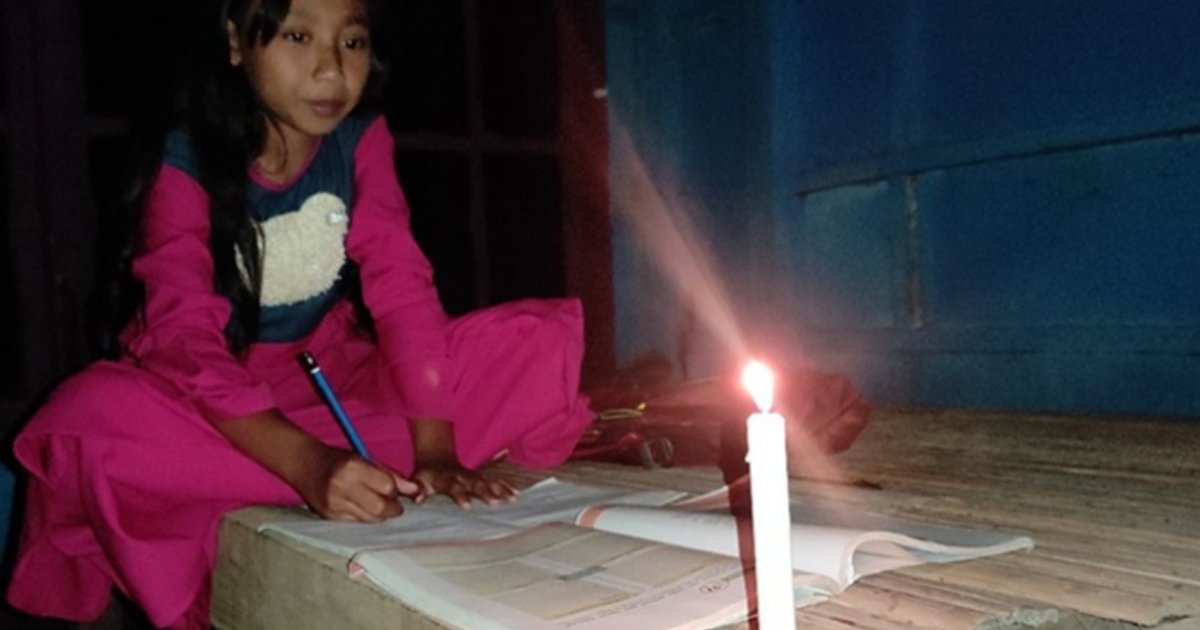
The Indonesian National Electricity Company (PLN) has announced the commencement of electricity in Ainiod village, located in the North Central Timor district, which borders Indonesia and East Timor. This historic event marks a significant turning point for the village's residents who have lived for 81 years without adequate electricity, reflecting the Indonesian government's commitment to providing energy to all regions, including remote areas.
The director of PLN in the Kfamina area, Ank Agung Ngura Maha Adisurya, confirmed that the introduction of electricity to the village will enhance living standards and encourage economic growth. He pointed out that this project is not merely about providing lighting but is a step towards improving education and supporting local economic activities, contributing to an overall improvement in quality of life.
Event Details
The electricity launch ceremony was attended by a large number of village residents who celebrated this occasion as a sign of the end of their energy isolation. F Eko Solistiyono, the general director of PLN in the East Nusa Tenggara region, confirmed that this achievement is part of the company's commitment to ensuring equitable energy distribution, as PLN strives to ensure electricity access to all areas, including remote regions.
Richard Oktavian Tani, the head of Ainiod village, emphasized the importance of this project in meeting the basic needs of the residents, assuring that the local government will continue to work on improving infrastructure, including providing clean water and developing roads in the area.
Background & Context
Indonesia is one of the largest countries in the world by population and faces significant challenges in energy provision, especially in remote areas. Historically, many villages in Indonesia have suffered from electricity shortages, negatively impacting economic and social development. In recent years, the Indonesian government has intensified its efforts to expand the electricity network, with these steps being part of a larger vision for sustainable development.
This initiative in Ainiod village is part of the Indonesian government's efforts to achieve sustainable development goals, as it seeks to improve living standards in remote areas and promote economic growth through energy provision.
Impact & Consequences
The launch of electricity in Ainiod village is expected to have positive effects on various aspects of life. In addition to improving lighting, the availability of electricity will contribute to enhancing local business activities, potentially leading to the creation of new job opportunities. It will also help improve education by providing a suitable environment for studying, positively impacting the future of the village's children.
Moreover, the introduction of electricity will enhance healthcare services, as health facilities can utilize modern medical devices, improving the quality of healthcare provided to residents.
Regional Significance
Although this event takes place in Indonesia, it highlights the importance of energy provision worldwide, including in Arab countries. Many regions in Arab nations suffer from energy shortages, affecting economic and social development. Indonesia's experience in providing electricity to remote areas can serve as a model for Arab countries in their pursuit of sustainable development.
In conclusion, the launch of electricity in Ainiod village represents a significant step towards improving the lives of residents and reflects the Indonesian government's commitment to providing energy for all. This project can inspire other countries, including Arab nations, to achieve their sustainable development goals.