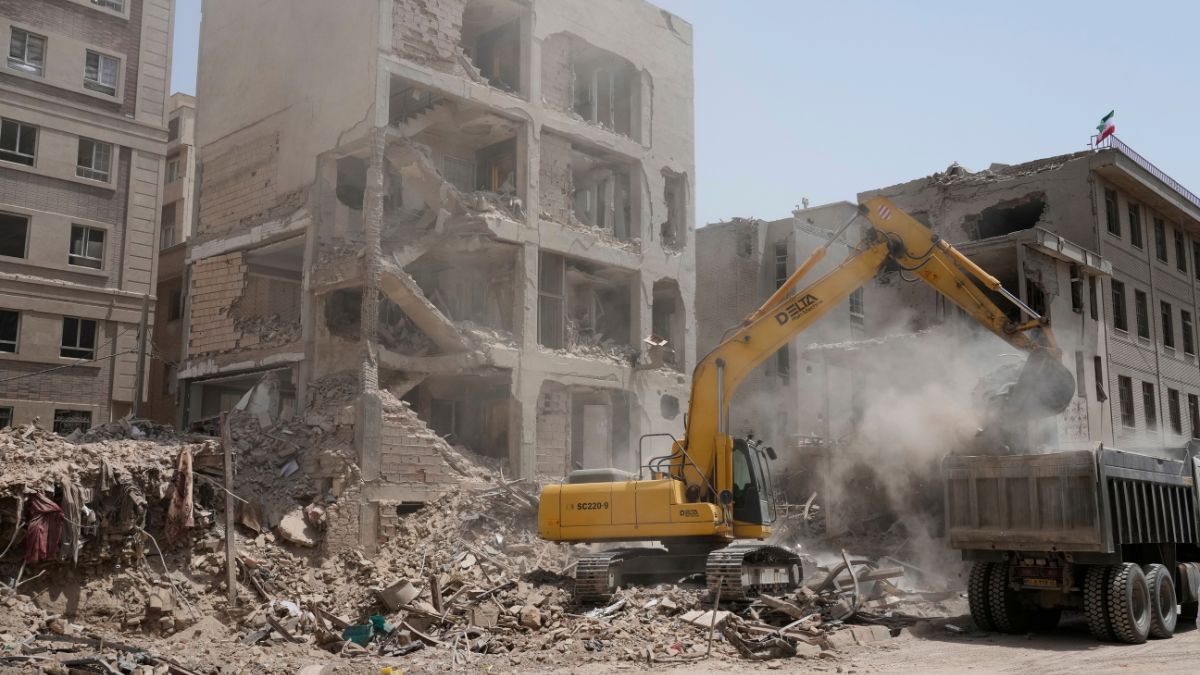
The Israeli army detected, early Saturday morning, a missile launch from Yemeni territory, marking the first incident of its kind since the outbreak of the war on Iran, which has entered its second month. This event comes at a time when the region is witnessing a rise in military and political tensions, raising concerns about its potential implications for regional security.
Initial analyses suggest that this launch may be linked to the ongoing escalation between Iran and its allies on one side, and Israel on the other. Israeli military sources confirmed that the missile did not reach its targets, but this incident reflects the security challenges faced by Israel amid the volatile situation in the region.
Details of the Incident
Reports indicate that the missile launched from Yemen was targeting areas in northern Israel, but Israeli air defenses managed to intercept it before it reached its intended target. This incident is considered the first of its kind since the beginning of military conflict between Iran and its allies, where military operations had previously focused on other areas such as Iraq and Syria.
It is noteworthy that Yemen has been experiencing an ongoing internal conflict for several years, with Houthi forces backed by Iran battling the internationally recognized Yemeni government. This conflict has allowed Iran to use the Houthis as a tool to exert pressure on its adversaries in the region, including Israel.
Background & Context
The roots of the conflict in Yemen date back to 2014, when the Houthis seized the capital, Sana'a, leading to military intervention by the Arab coalition led by Saudi Arabia. Since then, Yemen has become a battleground for regional powers, with Iran seeking to bolster its influence through support for the Houthis, while Saudi Arabia and its allies attempt to halt this expansion.
At the same time, relations between Iran and Israel are increasingly strained, with Israel viewing Iran as an existential threat and seeking to prevent it from acquiring nuclear weapons. This tension could lead to new military escalations in the region, especially with the increase in Iranian military activities in Iraq and Syria.
Impact & Consequences
The missile launch from Yemen could have significant implications for regional security. Israel may respond to this attack with military operations against the Houthis or even against Iranian targets in the region. Such responses could lead to widespread military escalation, threatening the stability of the entire region.
Moreover, this development could increase tensions between major powers in the region, including the United States and Russia, as each side seeks to enhance its influence amid changing circumstances. Additionally, the escalation of hostilities could affect trade and navigation in the Red Sea, negatively impacting the regional economy.
Regional Significance
This event demonstrates how regional conflicts can impact Arab countries in general. Security in the region is closely linked to security in Yemen, as any escalation in the conflict could have repercussions for neighboring countries such as Saudi Arabia and Oman.
Furthermore, this development may highlight the importance of diplomatic dialogue among the concerned parties, as military solutions will not lead to lasting stability. Arab countries must work together to address common challenges and enhance regional security.
In conclusion, the launch of the missile from Yemen towards Israel is considered a sign of a potential escalation in regional tensions, and upcoming developments should be monitored closely. The continuity of such hostile acts could lead to dire consequences for security and stability in the region.