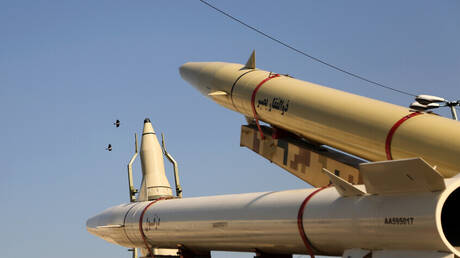
In a serious development, the Israeli Home Front has announced the detection of missiles launched from Iran towards Eilat, located in the southernmost part of Israel. This event comes at a time when tensions between the two countries are escalating, reflecting an intensification of Iranian military activities directed at Israel.
Eilat, considered one of Israel's main tourist destinations, is now in the crosshairs of military threats. This missile launch has raised considerable alarm within Israeli security circles, as it is viewed as a direct threat to national security.
Details of the Incident
According to reports, the missiles were detected while flying through the air, prompting a heightened state of alert in the area. The Israeli Home Front confirmed that it is assessing the situation and coordinating efforts with the armed forces to counter any potential threats. Residents in the area have also been warned to adhere to safety procedures.
This attack occurs in the context of rising tensions between Iran and Israel, with both countries exchanging accusations regarding military activities and threats. Recent weeks have seen several similar incidents, further increasing anxiety in the region.
Background & Context
Historically, relations between Iran and Israel have been tense, with Iran viewing Israel as a primary enemy in the region. Since the Islamic Revolution in 1979, Iran has pursued an antagonistic policy towards Israel, leading to escalating military and political conflicts between the two parties.
In recent years, Iran has increased its support for armed groups in the region, such as Hezbollah in Lebanon, causing Israel to feel increasingly threatened by rising dangers along its borders. Additionally, Iran's nuclear program is a major point of contention, with Israel fearing that Iran may develop the capability to produce nuclear weapons.
Impact & Consequences
The launch of missiles from Iran towards Eilat could lead to greater military escalation in the region. Israel may respond to this attack with military operations targeting Iranian sites, potentially dragging the region into a broader conflict.
Increasing tensions could also affect relations between Arab states and Israel, as some countries may find themselves compelled to reassess their positions in light of the escalating threats. Furthermore, this event may impact security stability in the Gulf region, where countries strive to maintain a balance of power.
Regional Significance
For Arab countries, the escalating tensions between Iran and Israel could lead to a reshaping of alliances in the region. Some nations may find themselves in a difficult position, needing to take clear stances regarding the rising conflict.
The economic impact could also be significant, as military tensions may lead to a decline in investments and tourism in the area. Countries that rely on tourism, such as Egypt and Jordan, may be particularly affected by these events.
In conclusion, the launch of missiles from Iran towards Eilat is seen as a sign of escalating tensions in the region, necessitating close monitoring by the international community. The current situation requires a response from all parties involved to avoid further escalation that could lead to a comprehensive conflict.