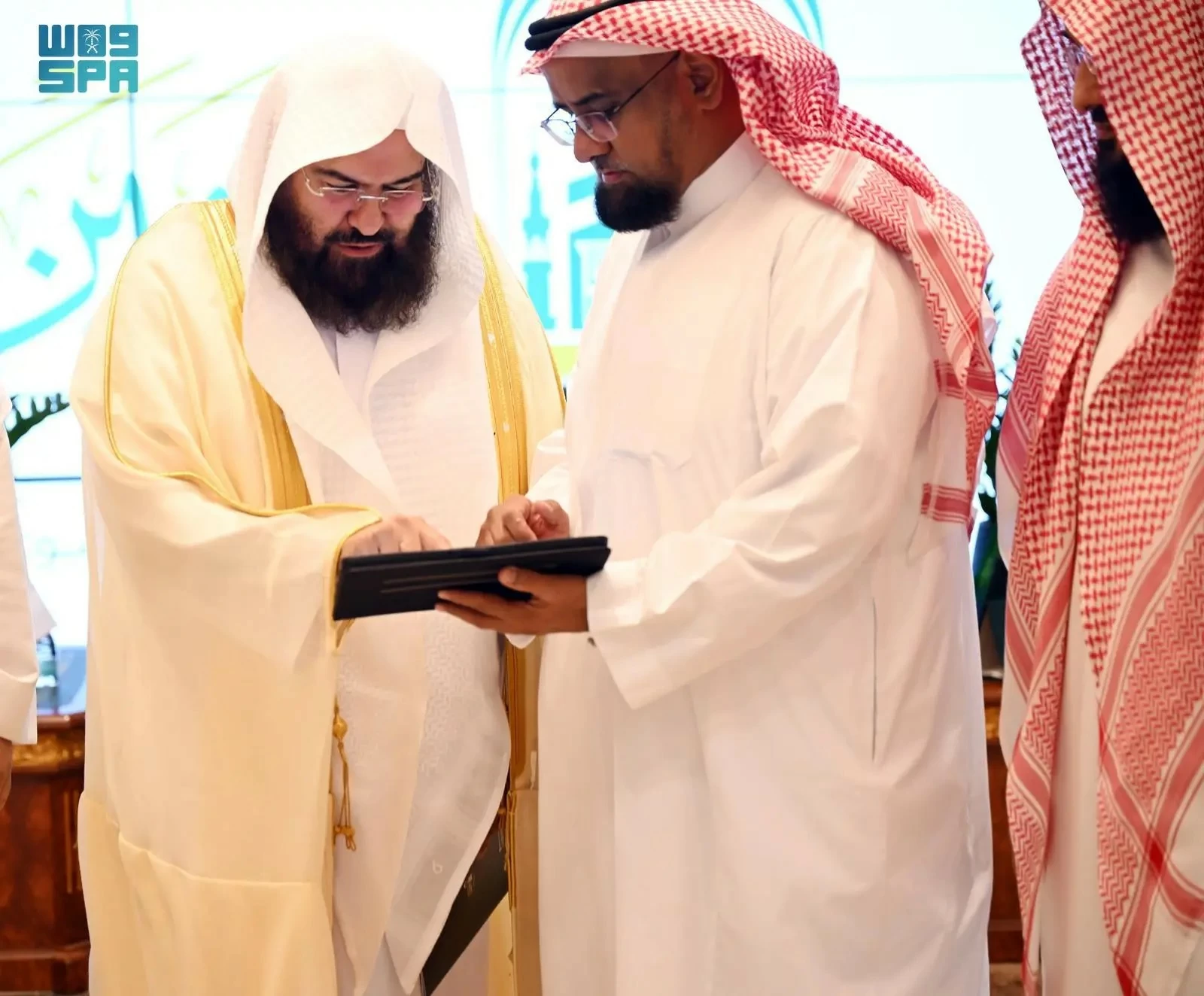
Sheikh Professor Dr. Abdulrahman bin Abdulaziz Al-Sudais, the head of religious affairs at the Grand Mosque and the Prophet's Mosque, has launched the operational plan for the Hajj season 1447 at the Prophet's Mosque. This plan includes a set of programs and initiatives aimed at improving the quality of religious services provided to visitors.
During a field tour, Sheikh Al-Sudais reviewed the readiness of the presidency at the Prophet's Mosque, inspecting the preparedness of various agencies and departments, and measuring the level of integration in guidance, scientific, and awareness services. He emphasized the importance of early preparation and the integration of efforts to provide a rich spiritual experience that helps visitors perform their worship in an atmosphere of tranquility and reassurance.
Details of the Initiatives
The initiatives launched by Sheikh Al-Sudais include a package of quality programs aimed at enriching the visitor's journey both scientifically and spiritually. These programs also seek to promote the message of the Two Holy Mosques, which advocates moderation, by employing modern technologies and expanding the scope of translation, in addition to intensifying scientific lessons and guidance sessions.
Sheikh Al-Sudais confirmed that the operational plan is based on an integrated system that combines fieldwork, technical efforts, and awareness campaigns, aiming to elevate the quality of religious services according to the highest standards. These efforts come within the framework of achieving the aspirations of the wise leadership in serving the guests of Allah and visitors to the Prophet's Mosque.
Background & Context
The administration of the Two Holy Mosques is one of the most important institutions striving to provide the best services to visitors, especially during the Hajj and Umrah seasons. In recent years, there has been a noticeable development in the level of services provided, reflecting the Kingdom of Saudi Arabia's commitment to enhancing the experience of pilgrims and Umrah performers.
These initiatives come at a time when the world is facing multiple challenges, necessitating intensified efforts to provide a safe and comfortable environment for visitors. The use of modern technologies in service delivery reflects the Kingdom's direction towards innovation and development across all sectors.
Impact & Consequences
The administration of the Two Holy Mosques expects that this operational plan will contribute to improving the visitor experience, thereby enhancing the Kingdom's position as a global religious center. Additionally, these efforts may attract more visitors from various parts of the world, benefiting the local economy.
These initiatives also represent a step towards achieving the Kingdom's Vision 2030, which aims to enhance religious tourism and develop the necessary infrastructure to better accommodate pilgrims and Umrah performers.
Regional Significance
These steps underscore the importance of cooperation among Arab countries in the field of religious tourism, where other countries can benefit from the successful experiences of the Kingdom in this area. Furthermore, improving the services provided to visitors reflects the commitment of Arab nations to strengthen cultural and religious ties among themselves.
In conclusion, these initiatives represent a positive step towards improving the visitor experience and promoting the moderate message of the Two Holy Mosques, contributing to enhancing the Kingdom of Saudi Arabia's status on the international stage.