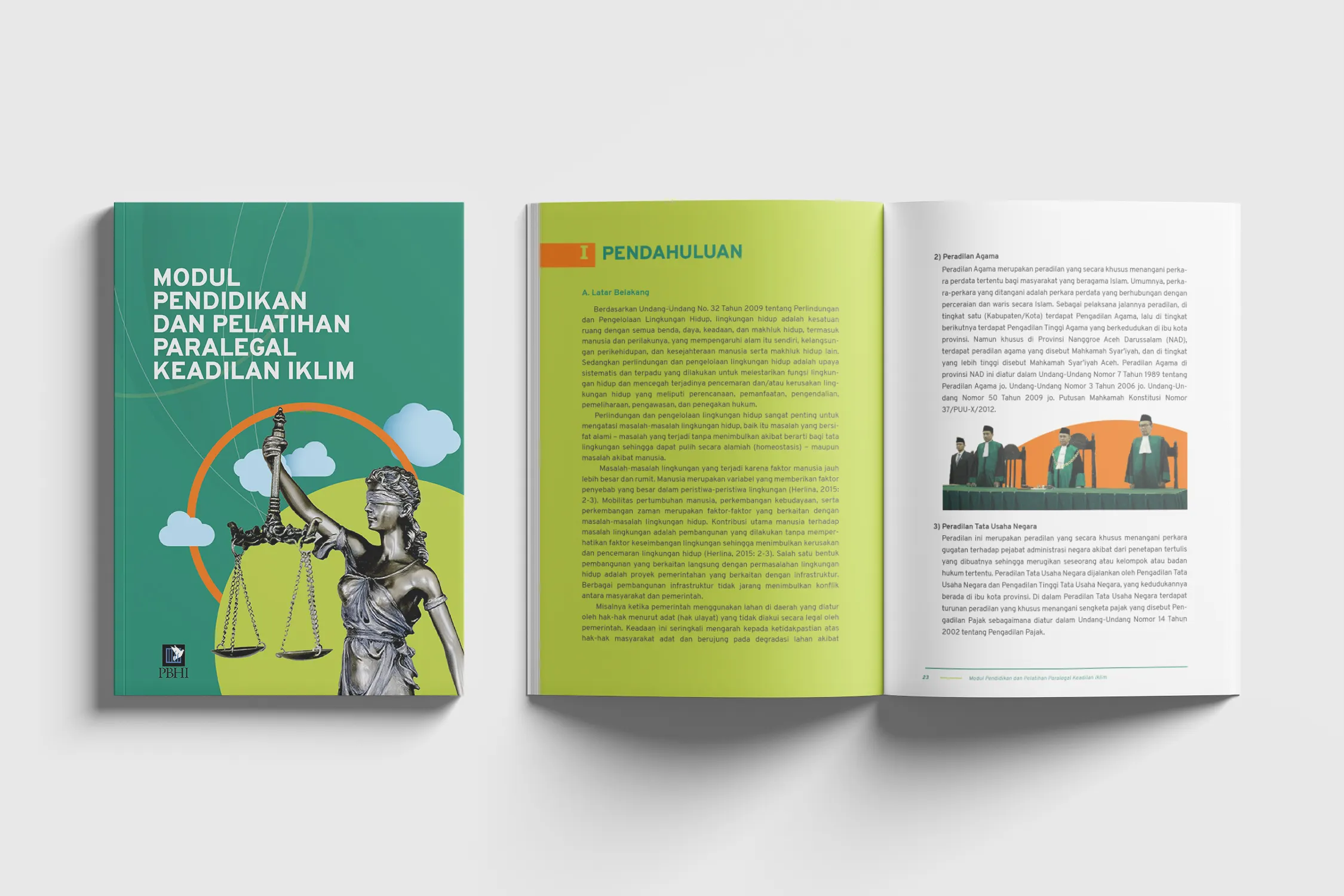
The National Narcotics Agency of Indonesia (BNN), in collaboration with the National Legal Development Agency (BPHN), has announced the launch of a program to train legal volunteers to serve as the first line of defense against drugs at the village level. This program is part of the government's efforts to enhance awareness and community participation in combating drugs, aiming to expand the scope of legal awareness and assistance services to local communities.
In a statement, BNN Deputy Chief Zainul Matakin emphasized that this initiative follows a meeting with the Indonesian Minister of Law, where it was agreed that empowering legal volunteers is an effective means to strengthen efforts in combating drugs. He highlighted the importance of collaboration among various sectors to extend drug prevention services to villages and remote areas.
Event Details
A virtual training session for legal volunteers was organized on April 2, involving several staff members from legal aid centers and volunteers from various regions in Indonesia. The training aims to equip participants with the necessary knowledge to provide legal support and assistance to local communities facing drug-related issues.
Legal volunteers are considered a crucial part of this program, as they are trained on how to provide basic legal information, communicate with relevant authorities regarding drug issues, and promote community engagement in drug prevention efforts.
Background & Context
Indonesia faces significant challenges in combating drugs, being one of the countries most affected by substance abuse. In recent years, there has been a noticeable increase in drug use cases, prompting the government to take urgent measures to address this phenomenon. In this context, the volunteer training program is part of a comprehensive strategy aimed at enhancing legal and community awareness.
Historically, Indonesia's drug prevention efforts have focused on security and legal aspects, but with the growing awareness of the importance of community involvement, the government has begun to integrate the community into these efforts. Legal volunteers serve as a bridge between the community and the legal system, facilitating access to legal services.
Impact & Consequences
This program is expected to enhance community awareness regarding the dangers of drugs, potentially leading to a reduction in usage rates in villages. Furthermore, empowering legal volunteers may improve access to legal services, thereby enhancing communities' ability to address legal challenges related to drugs.
Moreover, this program could serve as a model for other countries facing similar issues, as it can be adapted to meet local needs. Strengthening collaboration between the government and civil society is a crucial step towards achieving positive outcomes in drug prevention.
Regional Significance
The drug phenomenon is a global issue affecting all countries, including Arab nations. Indonesia's experience in engaging the community in drug prevention efforts can inspire Arab countries facing similar challenges. Arab nations can benefit from this model by developing local programs that encourage community participation and enhance legal awareness.
In conclusion, the program to train legal volunteers in Indonesia represents a positive step towards strengthening community efforts against drugs, reflecting the importance of collaboration between the government and society in addressing this issue.