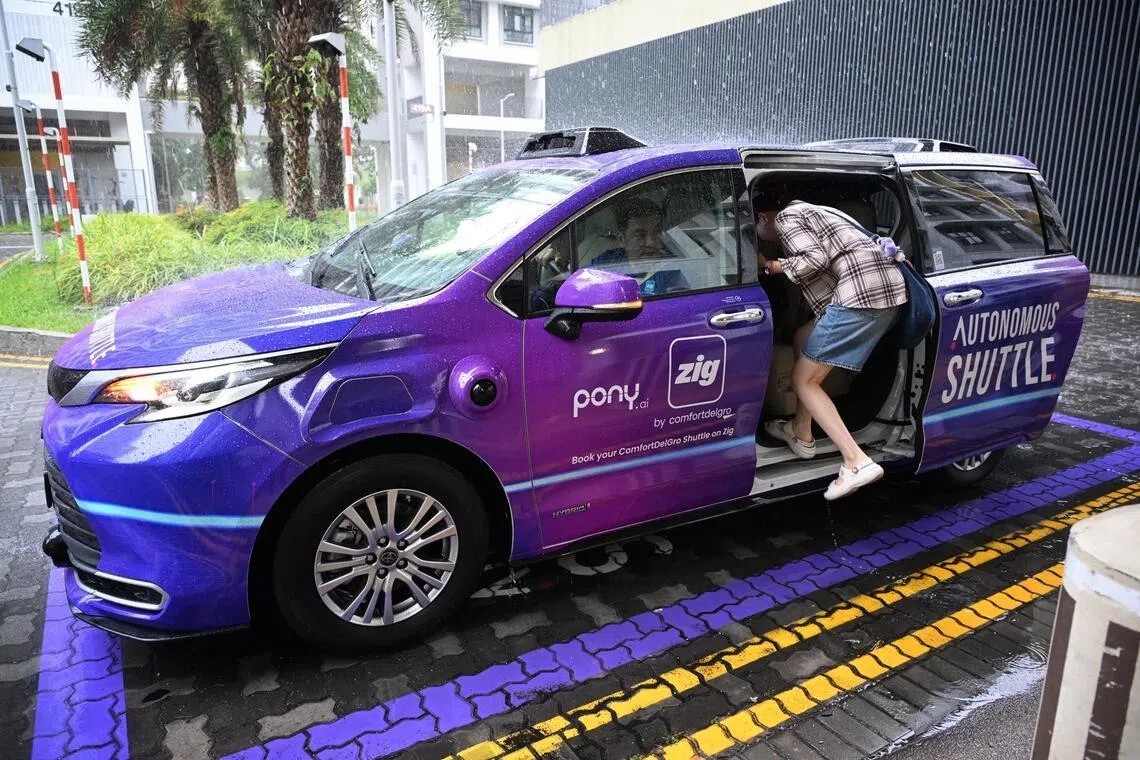
ComfortDelGro, a leader in the transportation sector, has announced the launch of self-driving transport services in the Pongol area, enabling users to book their rides via the company's app soon. This service aims to improve the transportation experience and facilitate access to public transport.
This initiative is part of the company's efforts to adopt modern technology and promote the use of smart transportation. The self-driving buses are designed to provide a comfortable and safe travel experience, reflecting the global trend towards innovation in the transportation sector.
Service Details
The self-driving buses feature advanced technologies that allow them to navigate independently without a driver. These buses have been tested in specific areas to ensure their safety and efficiency, and the new service is expected to include a variety of routes connecting residential areas with commercial centers.
ComfortDelGro aims to deliver an exceptional user experience, allowing users to easily book their rides through its app and providing real-time information about schedules and locations, making it easier for passengers to plan their trips.
Background & Context
Self-driving transport services are part of the global trend towards developing smart transportation solutions, with many countries such as the United States and China achieving notable successes in this field. Pongol, located in Singapore, is witnessing rapid development in transportation infrastructure, reflecting the government's commitment to developing a sustainable and intelligent transport system.
The introduction of self-driving buses aligns with the increasing demand for innovative transport solutions that cater to urban mobility challenges. The government’s focus on smart technology in public transport is indicative of a broader vision for future urban planning.
Impact & Consequences
This new service is expected to positively impact traffic flow in Pongol, contributing to reduced congestion and enhanced use of public transport. Additionally, the use of self-driving buses may help lower carbon emissions, aligning with global environmental goals.
As the service rolls out, it is anticipated that more residents will opt for public transport, leading to a shift in commuting patterns and a potential decrease in private vehicle usage, which can further alleviate traffic issues.
Regional Significance
The launch of self-driving transport services in Pongol is significant not only for local residents but also as a model for other regions looking to implement similar technologies. It showcases Singapore's commitment to being at the forefront of transportation innovation.
Moreover, this initiative can serve as a benchmark for other countries in the region, demonstrating how technology can enhance urban mobility while promoting sustainability.
In conclusion, the introduction of self-driving transport services in Pongol represents a pivotal moment in the evolution of public transportation, aiming to improve the quality of life for residents while addressing pressing environmental concerns.