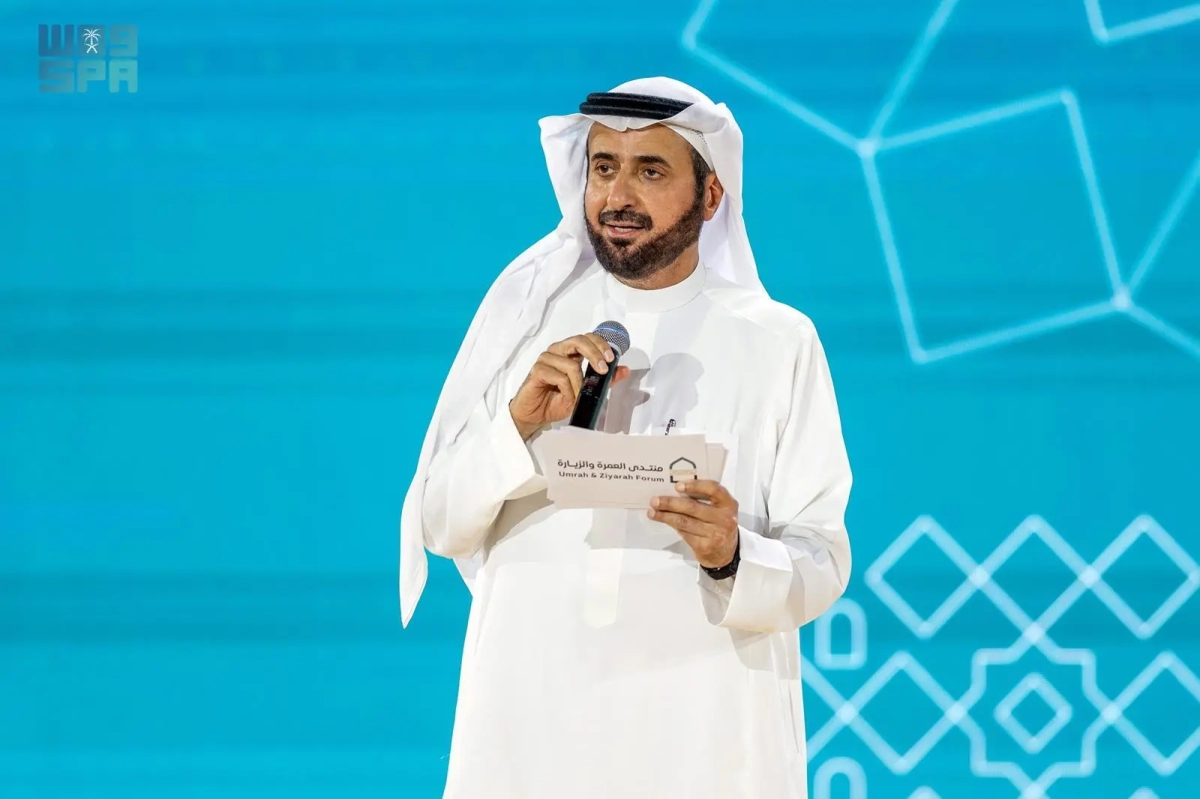
Saudi Arabia's Minister of Hajj and Umrah, Tawfiq Al-Rabiah, announced the launch of a special operations room aimed at addressing challenges and providing services to foreign pilgrims, in collaboration with the General Authority of Civil Aviation and other relevant authorities. This initiative is designed to ensure the comfort and safety of pilgrims during their rituals.
This announcement was made during his speech at the opening of the Umrah and Visit Forum in Medina, where Al-Rabiah highlighted the ministry's and relevant authorities' readiness to adapt to changes in the region. He revealed that the number of pilgrims coming to perform Umrah from outside the Kingdom this year reached approximately 18 million, representing an increase of over 214% compared to 2022 and 2025.
Details of the Initiative
The new operations room aims to enhance the experience of pilgrims by providing immediate support and addressing any challenges they may face during their journey. The minister expressed his appreciation for the Saudi leadership's support for the Umrah sector, noting that this initiative is part of ongoing efforts to improve the services provided to pilgrims.
Al-Rabiah also mentioned the rising level of pilgrim satisfaction, which is expected to reach 94% by 2025. Additionally, visits to the Rawdah Sharifah have seen a significant increase, with the number of visitors exceeding 15.6 million, alongside the development of several historical sites.
Background & Context
Historically, the Kingdom of Saudi Arabia has witnessed significant development in the Hajj and Umrah sector, becoming a primary destination for Muslims worldwide. Government efforts have contributed to improving infrastructure and providing integrated services for pilgrims, making the Hajj experience smoother and safer.
With the increasing number of pilgrims, the need to enhance services and provide necessary support has become urgent. Therefore, the establishment of the special operations room is a strategic step aimed at strengthening these services and better meeting the needs of pilgrims.
Impact & Consequences
This initiative is considered a positive step towards enhancing the pilgrim experience, as it contributes to improving the level of services provided and ensuring a safe and comfortable environment for performing rituals. The rising number of pilgrims reflects the Kingdom's success in attracting more visitors, which in turn contributes to boosting the local economy.
This initiative is expected to lead to an increase in investments in the religious tourism sector, contributing to the creation of new job opportunities and promoting economic growth in the Kingdom.
Regional Significance
Saudi Arabia is a significant center for Hajj and Umrah, and the development of Hajj services impacts other Arab countries that rely on religious tourism. Improving the pilgrim experience can encourage more Muslims from Arab countries to visit the Kingdom, thereby enhancing cultural and religious ties between nations.
In conclusion, the launch of the special operations room to serve foreign pilgrims represents an important step towards improving the Hajj and Umrah experience, reflecting the Kingdom's commitment to providing the best services for pilgrims, thus enhancing its position as a leading destination in religious tourism.