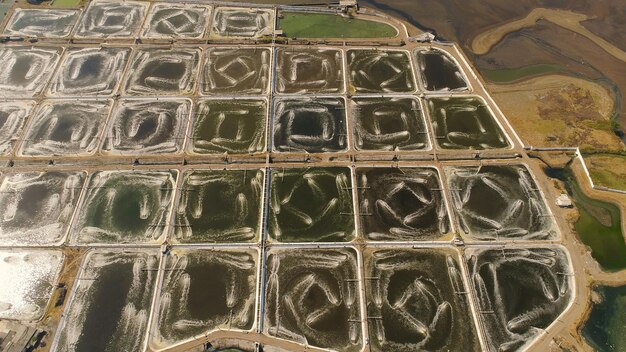
The Indonesian Ministry of Marine Affairs and Fisheries has announced the initiation of an integrated marine aquaculture project in Waingapu, East Nusa Tenggara, aimed at enhancing environmental sustainability through the application of best international practices. The project, which costs approximately 7.2 trillion rupiah, focuses on designing marine farms in a way that preserves the environment and reduces pollution.
In a press conference held in Jakarta, Tb Haeru Rahayu, the Director General of Marine Aquaculture at the ministry, explained that the design includes a strict water management system, where seawater is directed to a pumping station before entering the farms, ensuring that the surrounding ecosystem is not polluted.
Event Details
The new farm includes wastewater treatment facilities covering 60 hectares, designed to ensure that the marine environment is not polluted. Tb Haeru noted that the system relies on mechanical and biological technologies, with the possibility of using chemicals when necessary.
The project is being established in unproductive open areas, ensuring that it does not affect protected areas or forests. Sustainable aquaculture practices will be applied at all stages of production, including the use of high-quality feed, healthy seeds, a strict biological safety system, and regular monitoring of water quality and diseases.
Background & Context
Indonesia is considered one of the largest countries in the world in marine production, with the government seeking to enhance this sector through sustainable projects. This project is part of the Indonesian government's efforts to achieve sustainable development and boost the local economy, especially in remote areas like East Nusa Tenggara.
Historically, Indonesia has faced significant challenges in marine aquaculture, including pollution and loss of biodiversity. However, the focus on sustainability in this project represents a positive step toward improving the environmental and economic situation in the region.
Impact & Consequences
The Waingapu project is expected to create approximately 8,820 job opportunities during the construction and operation phases, which will help improve the living standards of local residents. The project also aims to produce 52,000 tons of shrimp annually, enhancing Indonesia's competitiveness in global markets.
This step is also a model for other countries in the region seeking to develop similar projects. By utilizing renewable energy, such as solar panels, operational costs can be reduced while enhancing the commitment to sustainability.
Regional Significance
This project represents an opportunity for Arab countries to benefit from Indonesian experiences in sustainable marine aquaculture. Arab nations with rich coastal areas can draw inspiration from this experience to develop similar projects that enhance fishery productivity while preserving the environment.
In conclusion, the marine aquaculture project in Waingapu is an important step toward achieving environmental and economic sustainability, reflecting Indonesia's commitment to applying best practices in this field.