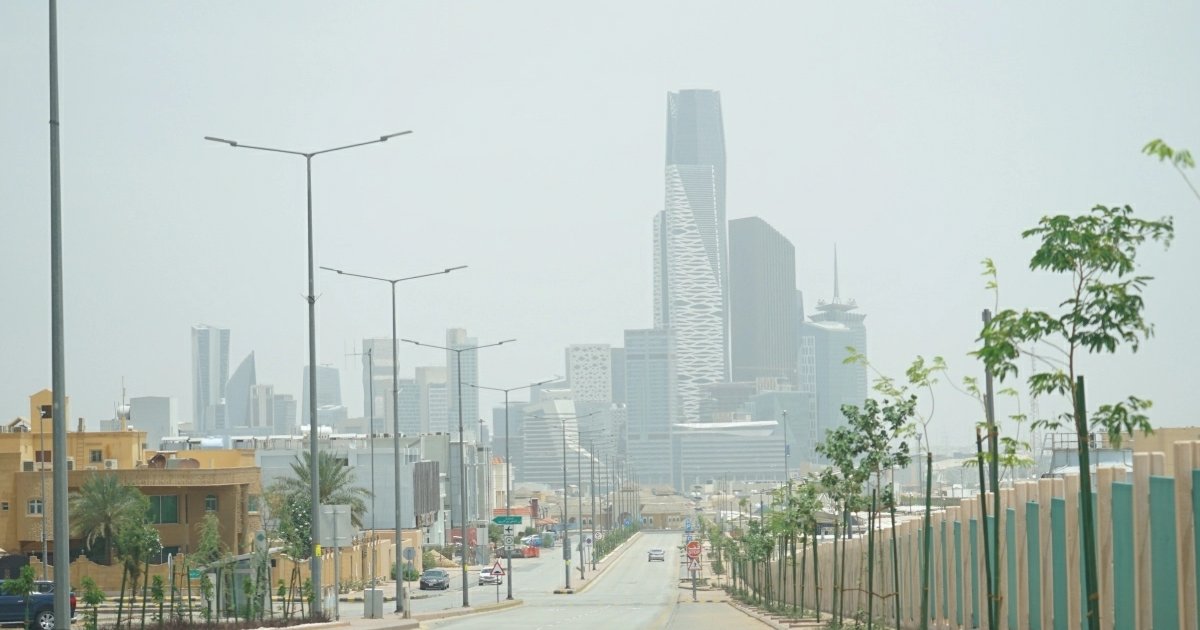
Saudi Vision 2030 has entered its third phase in 2026, marking the last five years of the Kingdom's main transformation strategy before 2030. After the first phase focused on building foundations and reforms, and the second phase aimed at accelerating execution, the third phase is expected to be the peak stage in achieving results, where years of planning, investment, and institution building will be transformed into broader economic and social outcomes.
The third phase includes several key axes, including the acceleration of national program implementation. Saudi officials have confirmed that the transformation tools have reached the highest level of readiness, meaning that ministries, agencies, and execution systems are now capable of moving faster and completing major national programs with high efficiency.
Event Details
The third phase is expected to enhance economic growth outside the oil sector, with diversification anticipated to deepen through the expansion of non-oil sectors, which already represent 55% of the GDP. Areas of growth are expected to include tourism, logistics, mining, manufacturing, technology, entertainment, and financial services.
The final phase also aims to expand the role of the private sector in growth and investment, with estimates indicating that the private sector's contribution has already reached 51% of GDP, and the upcoming phase is expected to build on this momentum. The Public Investment Fund and the National Development Fund will continue to be key drivers of local investment, helping to finance projects, open sectors, and create job opportunities.
Background & Context
Saudi Vision 2030 was established in 2016 as a comprehensive strategy aimed at reducing dependence on oil and diversifying the Saudi economy. The Kingdom has witnessed significant transformations in various sectors over the past years, including education, health, and tourism, contributing to improving the quality of life for citizens and residents.
The third phase coincides with global and regional developments affecting the Saudi economy, such as fluctuations in oil prices and global trends towards renewable energy. Therefore, enhancing non-oil sectors is essential to ensure the sustainability of economic growth.
Impact & Consequences
The third phase of Vision 2030 is expected to improve the standard of living in the Kingdom by providing more job opportunities and enhancing innovation across various sectors. Additionally, the focus on education and training will enhance the competitiveness of Saudi youth in the labor market.
Moreover, the anticipated increase in the number of tourists, expected to reach 150 million by 2030, will boost the local economy and support small and medium enterprises, contributing to creating a vibrant economic environment.
Regional Significance
Saudi Vision 2030 serves as a model in the Arab region, as other countries seek to implement similar strategies to enhance growth and development. The success of this vision could inspire other countries in the region to adopt similar developmental policies, contributing to achieving stability and economic growth across the region.
In conclusion, the third phase of Saudi Vision 2030 represents a historic opportunity for the Kingdom to achieve its developmental goals and enhance its economic standing on the international stage. By focusing on economic diversification and supporting the private sector, Saudi Arabia aims to build a sustainable future for generations to come.