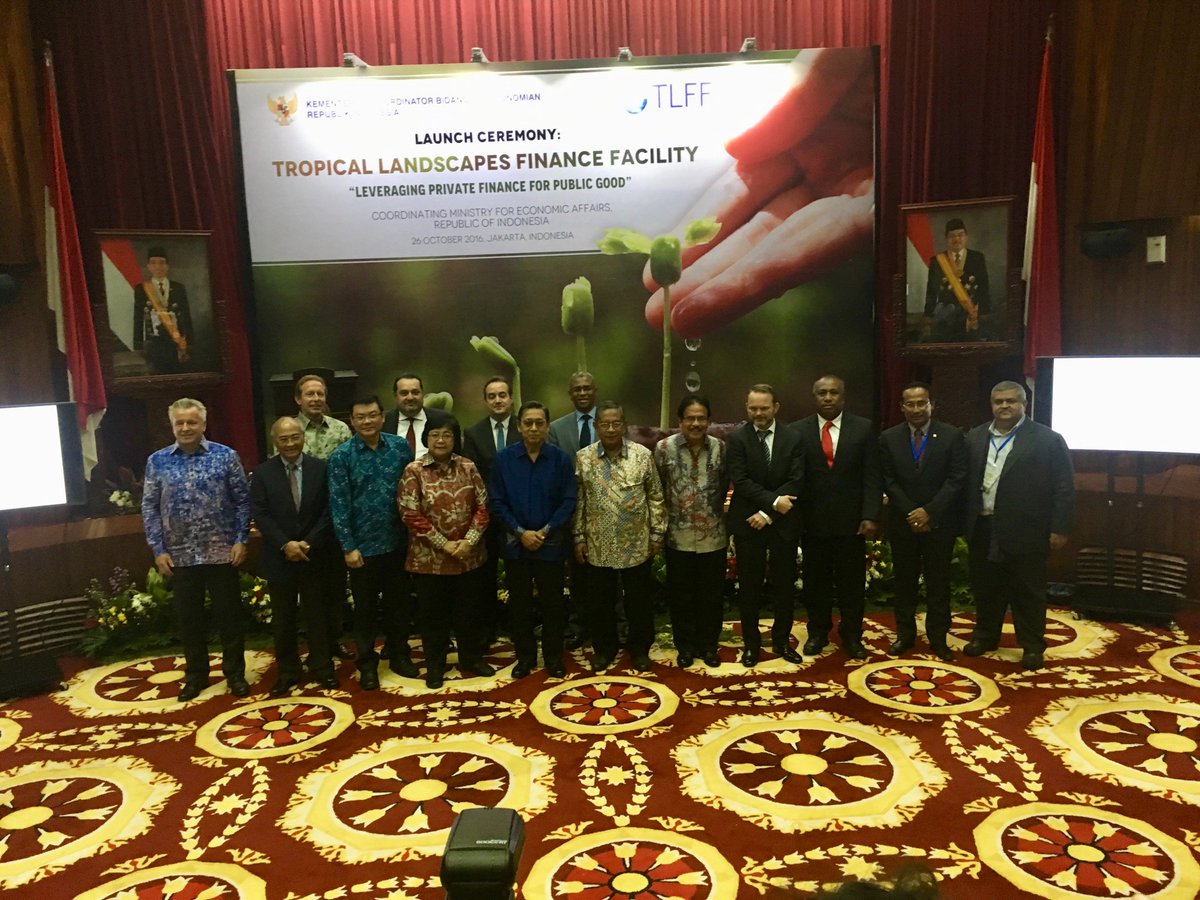
The Harkat Negeri University in Indonesia has announced the launch of the Tropical Landscapes Finance Facility (TLFF) as a strategic step to support sustainable development in the country. This platform was unveiled during a press conference in the capital, Jakarta, where the Director of the Center for Sustainable Studies, William Sabandar, emphasized that TLFF aims to tackle climate change challenges and promote green financing.
Established in 2016 with support from several international organizations, including the United Nations Environment Programme and the Global Agroforestry Center, TLFF is the first of its kind in Indonesia. It is designed to provide long-term financing for projects that contribute to green growth, sustainable agriculture, and renewable energy.
Event Details
During the conference, Sabandar clarified that TLFF is not just a financing platform but also a hub for collaboration among various sectors. He called on all stakeholders, including the private sector and local governments, to participate in the sustainable initiatives being developed in Indonesia. He highlighted the importance of partnerships in achieving environmental and economic goals.
Sabandar also noted that TLFF will provide technical and financial support for projects focused on sustainability, contributing to the enhancement of the green economy in the country. Several key areas have been identified, including sustainable agriculture and renewable energy, reflecting Indonesia's commitment to achieving sustainable development goals.
Background & Context
Indonesia is considered one of the countries rich in natural resources, with significant carbon reserves amounting to 600 million tons. However, the country faces substantial challenges due to climate change, necessitating urgent actions to enhance sustainability. In recent years, the Indonesian government has begun adopting new strategies aimed at transforming the economy into a more sustainable model.
In this context, the Secretary-General of the Global Alliance for a Sustainable Planet, Satya Tripathi, pointed out that Indonesia has a significant opportunity to lead the global green economic agenda. He affirmed that the country needs to seize this opportunity to achieve its zero-emission goals by 2030.
Impact & Consequences
The TLFF platform is expected to enhance cooperation between the public and private sectors, leading to improved investments in sustainable projects. It will also help raise awareness about the importance of the green economy and create new job opportunities in this sector. This transformation is essential to address the environmental and social challenges facing Indonesia.
Moreover, the re-launch of TLFF comes at a critical time as the Indonesian government strives to achieve sustainable development goals, reflecting its commitment to promoting sustainable economic growth and improving the quality of life for its citizens.
Regional Significance
Indonesia's experience in promoting sustainable development through green financing platforms serves as a model for the Arab region. Arab countries can benefit from this experience to develop similar strategies that enhance their efforts in combating climate change and achieving sustainable development.
Furthermore, cooperation between Arab countries and Indonesia in this field can contribute to knowledge and experience exchange, strengthening the region's capacity to address environmental and social challenges.