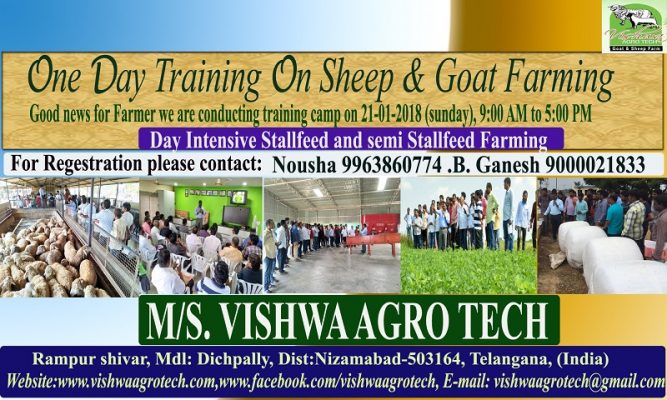
The Animal Husbandry Department at Gadjah Mada University (UGM) in Yogyakarta has launched a training program for sheep and goat farming, targeting 585 farmers from various regions in the Yogyakarta province. This program is part of the university's efforts to enhance technical knowledge and meet the needs of local farmers. The department's dean, Budi Guntoro, emphasized the importance of this initiative in improving productivity and developing the sector.
The program will last for two days, followed by a month of practical training in classrooms, reflecting the university's commitment to supporting the development of livestock in the region. Guntoro explained that these programs are not limited to Yogyakarta but also involve collaboration with other regions in Indonesia, showcasing the academic direction towards achieving three main dimensions in higher education.
Event Details
The workshop includes a range of topics related to sheep and goat farming, focusing on improving productivity and the quality of livestock. Guntoro confirmed that sheep and goats are not only important as a source of animal protein but also play a significant role in enhancing the social and economic income of farmers in the region.
He also noted that these activities aim to enhance the human capacity of farmers, contributing to better animal health and welfare, as well as effective business management. He asserted that these efforts are key to improving competitiveness in the livestock sector, especially in areas like Gunungkidul, Sleman, Kolon Progo, and Bantul, which are known for sheep and goat production.
Background & Context
Sheep and goat farming is an important economic activity in Indonesia, significantly contributing to providing income sources for farmers. Historically, these activities have represented a part of local culture, where sheep and goats are seen as symbols of wealth and prosperity. With the increasing demand for animal products, it has become essential to develop farmers' skills and equip them with modern technologies.
The Indonesian government seeks to enhance the livestock sector through training programs and collaborative initiatives, reflecting the importance of this sector in achieving food security and economic development. Gadjah Mada University is one of the leading institutions in this field, offering advanced educational and research programs.
Impact & Consequences
The benefits of this program extend beyond mere productivity improvement; it also contributes to raising awareness of the importance of animal welfare and sustainable practices. Guntoro emphasizes the need for animal farming to be sustainable, ensuring that it is not limited to achieving economic profits but also considers social and environmental aspects.
These initiatives are a significant step towards achieving sustainable development in the livestock sector, enhancing farmers' competitiveness in local and international markets. The program also fosters cooperation between universities and farmers, opening new avenues for development and innovation in this field.
Regional Significance
Although this event takes place in Indonesia, it holds important implications for the Arab region, where many Arab countries face similar challenges in the livestock sector. The lessons learned from this program can be applied in Arab contexts, contributing to improving productivity and enhancing food security.
Sheep and goat farming is a traditional activity in many Arab countries, making the exchange of knowledge and experiences between countries essential. These initiatives can contribute to enhancing regional cooperation and developing sustainable strategies in this vital sector.