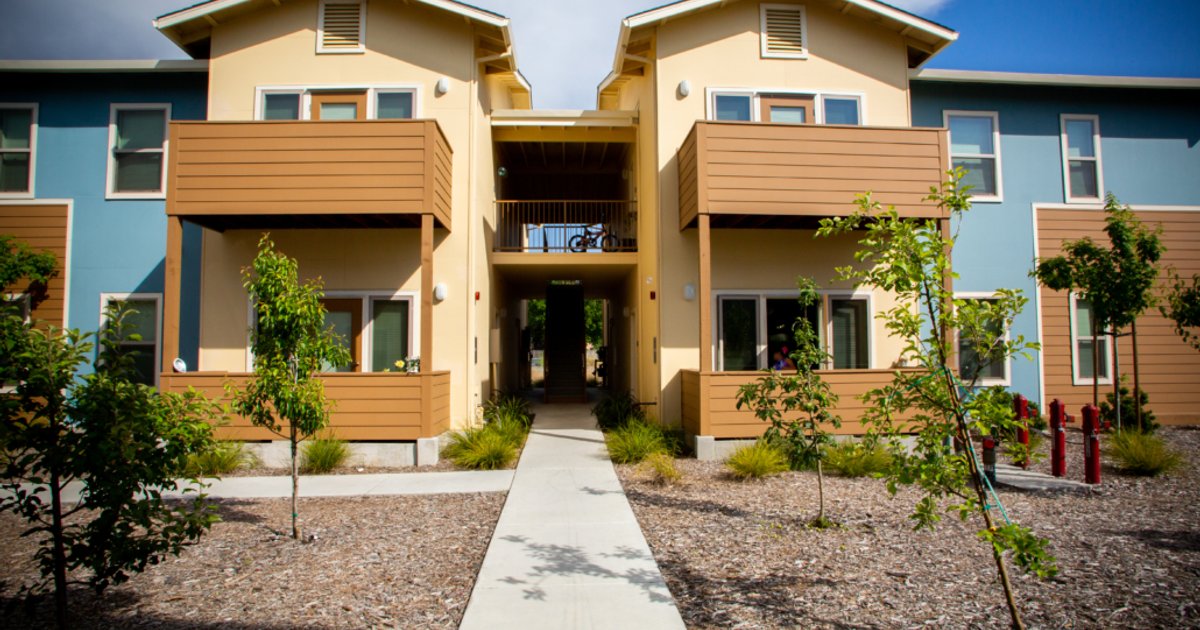
Indonesian Minister of Housing and Urban Development, Marwanar Sirat, known as "Ara", has announced a new plan aimed at creating vertical housing units (Rusun) for citizens with low to middle incomes. This announcement was made during a press conference held in the capital, Jakarta, where Sirat emphasized the importance of providing suitable housing for this segment of society.
The minister pointed out that there is an urgent need to provide housing that meets the needs of citizens with low to middle incomes, who face difficulties in obtaining suitable accommodation. He explained that the government will coordinate with state-owned enterprises (BUMN) to develop this type of vertical housing that aligns with the needs of this demographic.
Details of the Announcement
During the conference, Sirat stressed the necessity of establishing clear regulations to organize this project, noting that the target group includes not only low-income individuals but also those classified as "low-middle income". He clarified that this group has varying economic capabilities, which necessitates different designs and locations for housing projects.
The minister also mentioned that the government is working on establishing special financing mechanisms for low-income individuals, where loans will be offered at a fixed interest rate of up to 7% for a duration of 15 years, with the possibility of extending up to 30 years. This step aims to facilitate access to necessary financing for purchasing homes.
Background & Context
This initiative is part of the Indonesian government's efforts to provide suitable housing for all citizens, as the government seeks to address the housing crisis facing the country. Historically, Indonesia has faced significant challenges in providing adequate housing, especially in urban areas experiencing rapid population growth.
In recent years, the government has launched several programs and projects to meet housing needs, including the construction of low-cost housing units. However, there remains an urgent need to expand these projects to include low to middle-income groups.
Impact & Consequences
This project is expected to contribute to improving the living standards of the targeted groups, as it will enable them to obtain suitable housing at reasonable costs. Additionally, this type of vertical housing could help reduce congestion in cities, providing an effective housing solution in limited urban spaces.
Moreover, providing suitable housing may enhance social and economic stability, as it can lead to improved living conditions and increased purchasing power for families. This project could also encourage banks and financial institutions to offer more financing options for low-income individuals.
Regional Significance
The housing issue is a critical concern that many Arab countries also face, as numerous Arab cities suffer from a lack of suitable housing for low and middle-income groups. Indonesia's experience in this field could serve as a model for Arab countries, where similar strategies could be adopted to develop housing projects that meet citizens' needs.
In light of the economic and social challenges facing the region, enhancing cooperation among Arab countries in the housing sector could contribute to achieving sustainable development and improving the quality of life for citizens.