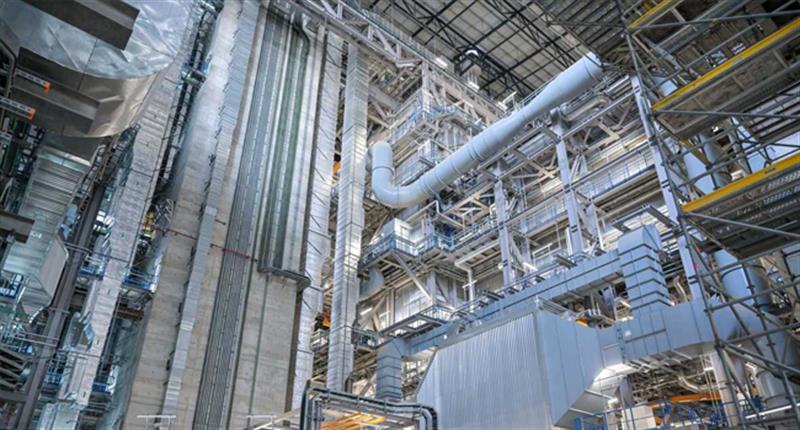
The Indonesian Minister of Environment, Hani Faisal Nurvak, has announced the implementation of two waste-to-energy projects (PSEL) in Banten province, with an expected completion timeframe of three years. This announcement follows the signing of a cooperation agreement between the local government and several stakeholders in the city of Serang, where the minister confirmed that the bidding process will commence soon.
The two projects, which will process approximately 4,000 tons of waste daily, will be established in two locations: the first in Jati Warigen, Tangerang province, and the second at a waste processing center in Serang city. The necessary funding has been allocated by Danantara, which will manage the project.
Details of the Event
During the signing ceremony of the agreement, Minister Nurvak explained that the bidding process might take some time due to the large amount of funding required. He noted that the necessary documents will be delivered to Danantara next week to initiate the procedures. He also confirmed that the selected sites have undergone comprehensive evaluations by specialized government teams.
The minister added that there are plans to expand the project to include other areas such as Bali, Yogyakarta, Bekasi, and Bogor, which will also enter the bidding phases.
Background & Context
Indonesia is considered one of the countries facing significant challenges in waste management, as the amount of waste continues to rise due to population growth and urban expansion. Reports indicate that Indonesia produces approximately 65 million tons of waste annually, necessitating urgent measures to improve waste management.
The Indonesian government aims to implement innovative projects to convert waste into energy, which will contribute to reducing the environmental impact of waste while enhancing renewable energy sources. Several similar agreements have been signed in other regions of the country, reflecting the government's commitment to improving waste management infrastructure.
Impact & Consequences
The waste-to-energy project is considered a strategic step toward enhancing energy security in Indonesia. Through this project, reliance on traditional energy sources can be reduced, contributing to the achievement of sustainable development goals. Additionally, this project will help create new job opportunities in areas such as waste collection and recycling.
Moreover, the success of this project depends on community awareness regarding the importance of waste sorting, as the minister emphasized the need for community participation in these efforts. Without waste sorting, costs will increase, potentially negatively impacting the project's effectiveness.
Regional Significance
Many Arab countries face similar challenges in waste management, with waste quantities increasing significantly. Indonesia's project can serve as a model for Arab countries, where similar technologies can be applied to convert waste into energy, thereby improving waste management and enhancing energy security.
In light of the global shift towards renewable energy, Arab countries can benefit from the experiences of other nations in this field, contributing to sustainable development and enhancing their capacity to address environmental challenges.