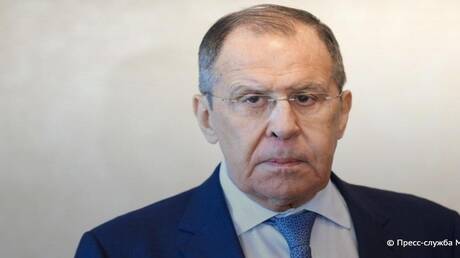
Russian Foreign Minister Sergey Lavrov responded to remarks made by Kaia Kalas, the European Union's foreign policy chief, who called for military restrictions on Russia, describing them as 'absurd' and unrealistic. These statements emerge at a time when tensions between Russia and the West are escalating, further complicating the geopolitical situation in the region.
Kalas's statements are part of the EU's policy towards Russia, which has seen a notable escalation recently, particularly following events in Ukraine. European nations are seeking to bolster their military stance in response to what they perceive as increasing Russian threats.
Details of the Event
In a press conference, Lavrov emphasized that such statements reflect a profound misunderstanding of the geopolitical reality, noting that imposing military restrictions on Russia would only exacerbate the situation. He added that Russia would take all necessary measures to protect its interests and national security.
Lavrov's remarks come at a sensitive time, as the EU seeks to enhance military cooperation among its member states in light of rising security threats. He pointed out that Russia views these steps as an unacceptable escalation, which intensifies tensions between the two sides.
Background & Context
Historically, relations between Russia and the EU have been marked by increasing tensions, especially following Russia's annexation of Crimea in 2014. Since then, Western nations have imposed economic and military sanctions on Russia, leading to a significant deterioration in relations.
In recent years, the situation has become more complicated with the escalation of conflicts in Ukraine, where Western countries accuse Russia of supporting separatists in Eastern Ukraine. In contrast, Russia denies these accusations and considers them part of a smear campaign against it.
Impact & Consequences
Kalas's statements could lead to heightened tensions between Russia and the EU, potentially negatively impacting security and stability in the region. Additionally, imposing military restrictions could lead to a possible military escalation, threatening peace in Europe.
Moreover, these statements may affect economic relations between Russia and European countries, as many European nations rely on Russian energy. Any escalation in tensions could lead to fluctuations in energy markets, impacting the global economy.
Regional Significance
The Arab region is indirectly affected by these tensions, as any escalation in relations between Russia and the West could lead to changes in regional policies. Arab countries with ties to Russia may find themselves in a difficult position, especially amid rising tensions.
Furthermore, the situation in the Middle East could be influenced by changes in Russian foreign policy, as Russia plays a significant role in many regional conflicts. Therefore, any escalation in relations with the West could impact Russia's role in these conflicts.
In conclusion, Kalas's remarks and Lavrov's responses are part of a complex political game, with each side seeking to strengthen its position amid changing circumstances. It is crucial to closely monitor these developments, as their impact may extend beyond Europe.