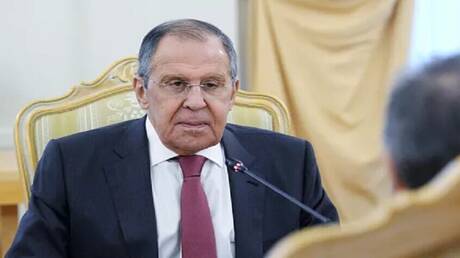
Russian Foreign Minister Sergey Lavrov warned that any actions aimed at forcibly opening the Strait of Hormuz, if carried out without the participation of the surrounding regional countries, would constitute a blatant violation of their sovereignty. These statements come at a time of escalating tensions in the region, reflecting increasing international concern over security in one of the world's most vital maritime corridors.
The Strait of Hormuz is a critical transit point for oil and natural gas, with approximately 20% of global oil exports passing through it. Therefore, any military movements or unilateral actions could exacerbate the situation and intensify conflicts in the region.
Details of the Event
Lavrov's remarks were made during a press conference, where he emphasized the necessity of respecting the sovereignty of the countries surrounding the Strait of Hormuz. He pointed out that any military intervention in this area must be coordinated with the concerned countries, warning of the dire consequences that could arise from unilateral steps.
Concerns are growing that any moves to forcibly open the strait could lead to military escalation, particularly amid ongoing tensions between Iran and the United States, as well as other regional disputes. Russia has expressed its willingness to play a mediating role in this context, calling for dialogue and understanding among the involved parties.
Background & Context
Historically, the Strait of Hormuz has witnessed numerous crises and conflicts, starting from the Iran-Iraq War in the 1980s to the current tensions between Iran and the West. In recent years, military activities in the region have increased, raising international concerns regarding maritime security.
Iran is one of the key countries controlling a significant portion of the strait and has repeatedly threatened to close it if subjected to military pressure. In contrast, the United States and its allies are striving to ensure freedom of navigation in this strategic area, increasing the likelihood of confrontations.
Impact & Consequences
Any moves to forcibly open the Strait of Hormuz could have severe consequences for the global economy, potentially leading to rising oil prices and increased geopolitical tensions. Furthermore, any military escalation could disrupt international trade flows, negatively impacting financial markets.
The current situation necessitates urgent diplomatic actions to avoid any escalation, as peaceful solutions remain the best option to ensure regional stability. In this context, Russia plays an important role as a potential mediator, reflecting its desire to enhance its influence in the Middle East.
Regional Significance
The Arab countries surrounding the Strait of Hormuz, such as the United Arab Emirates and Oman, are among those most affected by any military escalation in the region. These countries heavily rely on maritime stability to ensure the flow of their oil exports.
Any escalation in the region could lead to economic and social repercussions, affecting foreign investments and tourism. Thus, dialogue and understanding among all parties remain vital to ensure regional stability.
In conclusion, the situation in the Strait of Hormuz remains under scrutiny, as any future actions could significantly impact regional and global security. The current situation requires ongoing international cooperation to ensure the safety of navigation and protect the national sovereignty of the concerned countries.