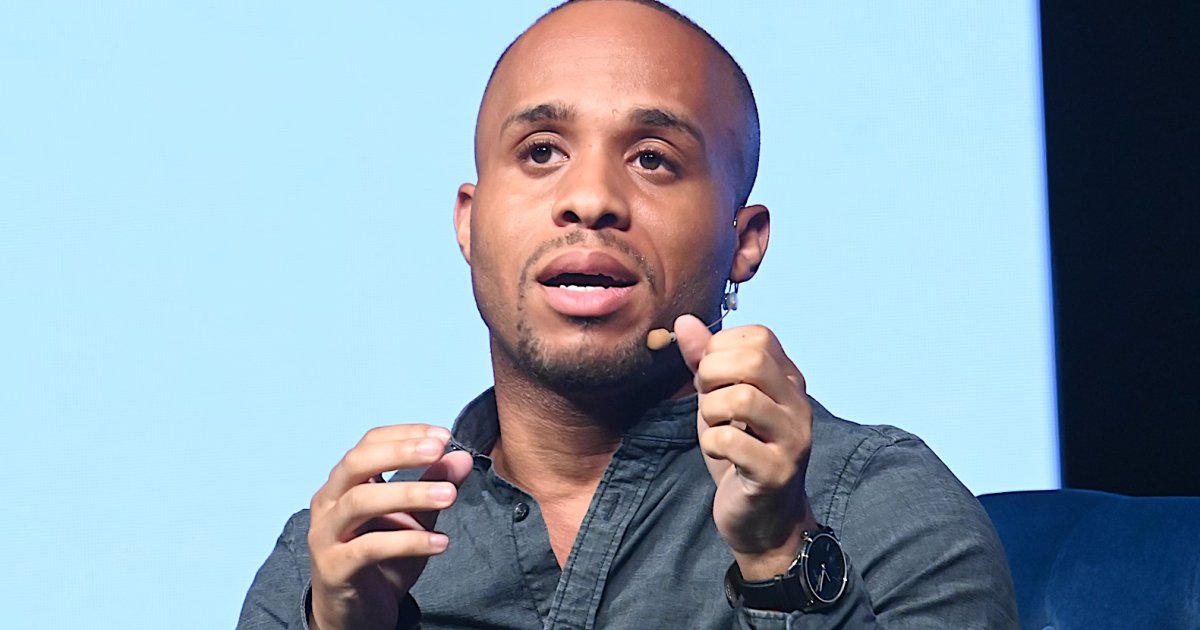
Chris Gray, the founder of the startup Scholly, has initiated legal action against Sallie Mae, the company that acquired his firm, accusing it of unlawfully terminating his services. Gray also claims that Sallie Mae is selling student data through one of its subsidiaries, raising concerns about privacy and data protection in the education sector.
This case is controversial as it touches on sensitive issues regarding employee rights and data privacy. Sallie Mae has stated that it denies all allegations made against it, indicating that it will take all necessary legal measures to defend itself.
Details of the Case
Founded in 2013, Scholly gained widespread recognition by providing services to help students find scholarships. With Sallie Mae's acquisition of the company, there were expectations for Scholly's services to expand further. However, matters took a different turn after Gray's services were terminated, leading him to file a lawsuit against the company.
This lawsuit comes at a critical time when the higher education sector in the United States is facing increasing pressure regarding how to handle student data. The sale of student data is a contentious issue that could impact the reputation of the companies involved.
Background & Context
Historically, the United States has seen numerous cases related to data privacy, especially with the growing use of technology in education. Previous issues, such as the Cambridge Analytica scandal, have raised questions about how personal data is used and how individuals' rights are protected in this context.
Sallie Mae is considered one of the leading companies in the student loan sector and has faced criticism in the past regarding its business practices. Nevertheless, its acquisition of Scholly was viewed as a strategic move to enhance its market presence.
Impact & Consequences
If Gray's allegations are proven true, it could have significant implications for how companies handle student data. This may lead to increased regulatory pressures on firms in this sector, potentially transforming their operational practices.
Additionally, this case could spark broader discussions about employee rights in startups, particularly amid the challenges these companies face in a competitive work environment.
Regional Significance
This case highlights the importance of protecting student data and employee rights in an era of increasing technology use. As the education sector evolves, ensuring the privacy and security of personal information becomes paramount.
In conclusion, the outcome of this lawsuit may set a precedent that influences future practices regarding data privacy and employee rights in the tech and education sectors.