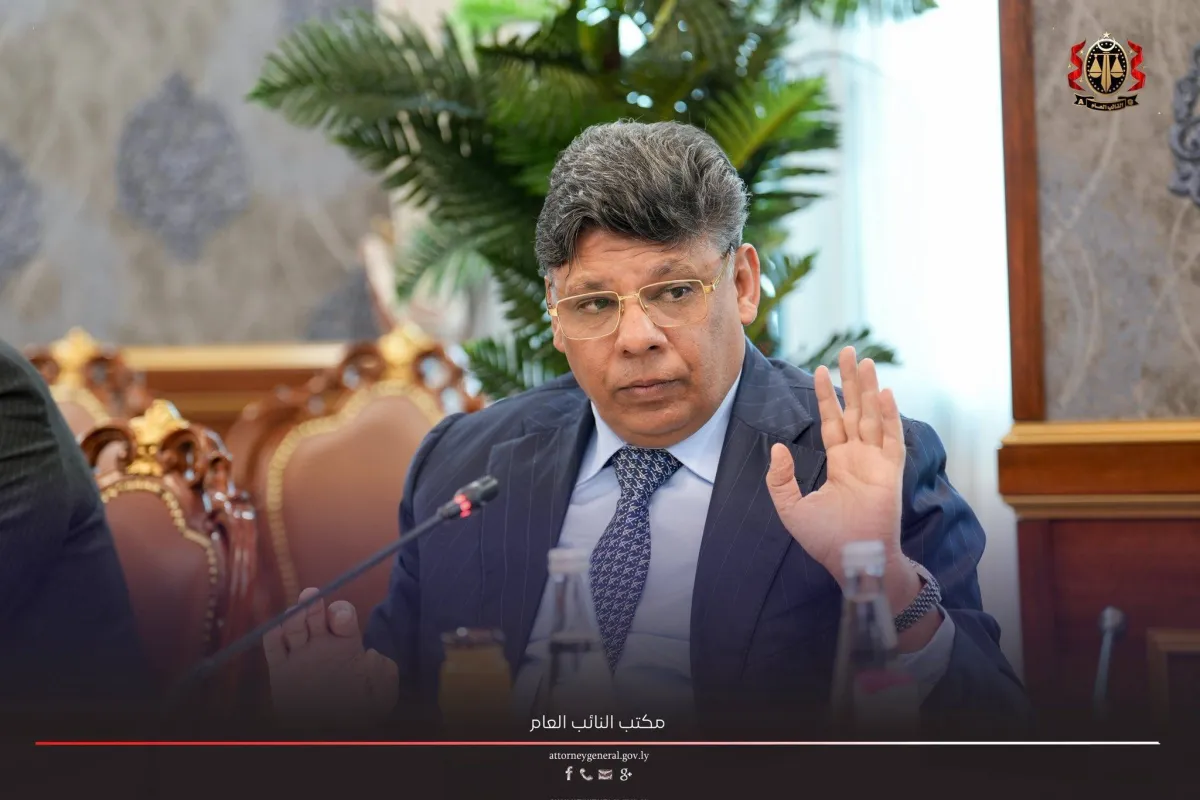
Discussions surrounding "suspicions of corruption" in Libya have accelerated following leaks from a report by a UN Security Council expert panel, which implicated prominent political and military figures. The alleged report, widely circulated, indicated the presence of financial corruption extending from the east to the west of the country, sparking varied reactions among politicians and activists.
The report included intriguing details about the company "Arkino," established in 2023, which is alleged to be exporting Libyan oil outside the purview of the "National Oil Corporation" and is reportedly under the control of the Deputy Commander of the "National Army," Saddam Haftar. The report highlighted "widespread plundering of oil revenues" and "seizure of fuels," reflecting the extent of rampant corruption in the country.
Details of the Event
This is not the first time Saddam Haftar has been mentioned in UN reports; he was previously referenced in a report in February 2025, which included accusations of "oil smuggling." Despite this, authorities in both eastern and western Libya dismissed these allegations as "inaccurate." Nonetheless, politicians and human rights advocates have called for a comprehensive investigation into the facts mentioned in the report.
Economic expert Mohamed Al-Shahati pointed out that the leak of the report carries specific messages and reflects the Libyan street's awareness of the pervasive corruption. He also confirmed that the report did not provide political cover for any party, prompting some factions to fragment its contents to suit their political objectives.
Background & Context
Libya is considered one of the resource-rich countries in terms of oil; however, corruption has exacerbated the economic and political situation. In 2025, Libya's corruption perception index fell to rank 177 out of 182 countries, reflecting the ongoing prevalence of corruption within state institutions. A report by the International Crisis Group indicated that fuel smuggling operations in Libya yield between $6 and $7 billion annually, enhancing the influence of political and military elites in the country.
The alleged report also touched upon Abdul Salam Al-Zoubi, the Deputy Minister of Defense in the "Unity Government," describing him as one of the key power centers within armed groups in Tripoli. It also mentioned the killing of Abdul Ghani Al-Kikli, known as "Ghneiwa," who was killed in a security operation, reflecting the ongoing tensions between armed groups and authorities.
Impact & Consequences
The leaks from the report may lead to an escalation of political and security tensions in Libya, potentially pushing various parties to adopt more hardline positions. Additionally, these discussions could affect international relations, especially with countries that support different factions in the Libyan conflict.
On the other hand, these leaks may bolster the demands of the Libyan street for accountability of officials involved in corruption, potentially leading to popular movements against corruption. With increasing international pressure, authorities may find themselves compelled to take real action against corruption.
Regional Significance
The situation in Libya serves as an indicator of the challenges faced by many Arab countries in combating corruption. Corruption is one of the main factors hindering development and stability in the region. The persistence of corruption in Libya could also impact regional security, as it may exacerbate humanitarian crises and armed conflicts.
In conclusion, Libya remains in urgent need of serious and effective steps to combat corruption and rebuild trust between citizens and state institutions. Addressing these issues may be the key to achieving stability and development in the country.