PROBLEMGO.com offers a comprehensive guide on obtaining personal bail without the need to answer questions. This process allows individuals to be released from custody without legal complications, facilitating their return to daily life.
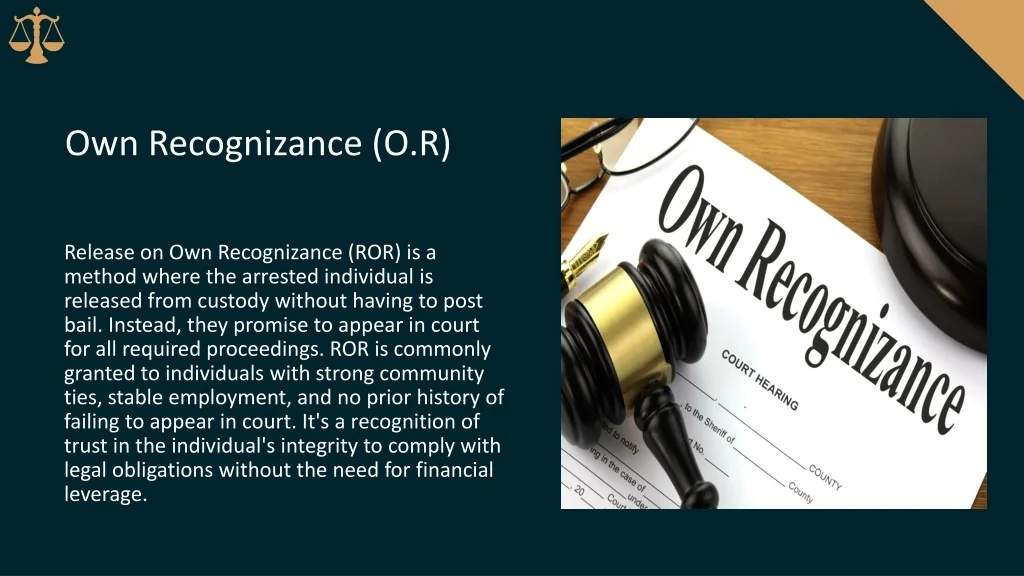
Personal bail is one of the legal options that allows individuals to be freed from custody while awaiting trial. This type of bail relies on the court's trust that the individual will appear at trial sessions without the need for financial guarantees.
Details of the Process
The process of obtaining personal bail involves submitting a request to the court, where the case is evaluated based on several factors, including the individual's criminal history, the severity of the alleged crime, and their previous commitment to appear in court. In some cases, individuals may be released without the need to answer questions, simplifying the process and reducing psychological pressure.
This process is particularly beneficial for individuals who may face financial difficulties that prevent them from paying traditional bail. Additionally, personal bail reflects the judicial system's trust in individuals, reinforcing the principle of justice.
Background & Context
Historically, personal bail has been a common practice in many legal systems around the world. However, its application varies from country to country, with some nations adopting stricter policies in this regard. In recent years, many countries have witnessed discussions about reforming the bail system, aiming to reduce the financial burdens on individuals and improve access to justice.
There are increasing calls in some countries to adopt a more humane bail system that guarantees individual rights and reduces discrimination against vulnerable groups. This trend aligns with global efforts to promote human rights and achieve social justice.
Impact & Consequences
Personal bail is considered a positive step towards improving the judicial system, as it helps reduce the number of detainees in prisons, alleviating pressure on the judicial system. This process also enhances individual rights and helps reduce discrimination against vulnerable groups.
However, these procedures must be applied cautiously, as releasing individuals without guarantees may lead to the risk of not appearing in court. Therefore, judicial authorities must carefully evaluate each case to ensure justice is served.
Regional Significance
In the Arab region, bail systems vary from one country to another. While some countries strive to improve the justice system and adopt more humane practices, significant challenges remain. Legal reforms in this area require cooperation between governments and civil society to ensure justice for all.
Enhancing the personal bail system in Arab countries could contribute to improving the image of the judicial system and bolstering citizens' trust in it. These steps may also help reduce social tensions and improve relations between the state and its citizens.
In conclusion, personal bail represents a step towards improving the judicial system and reflects the community's commitment to achieving justice. As discussions about bail reforms continue, hope remains for a more humane and transparent judicial system.