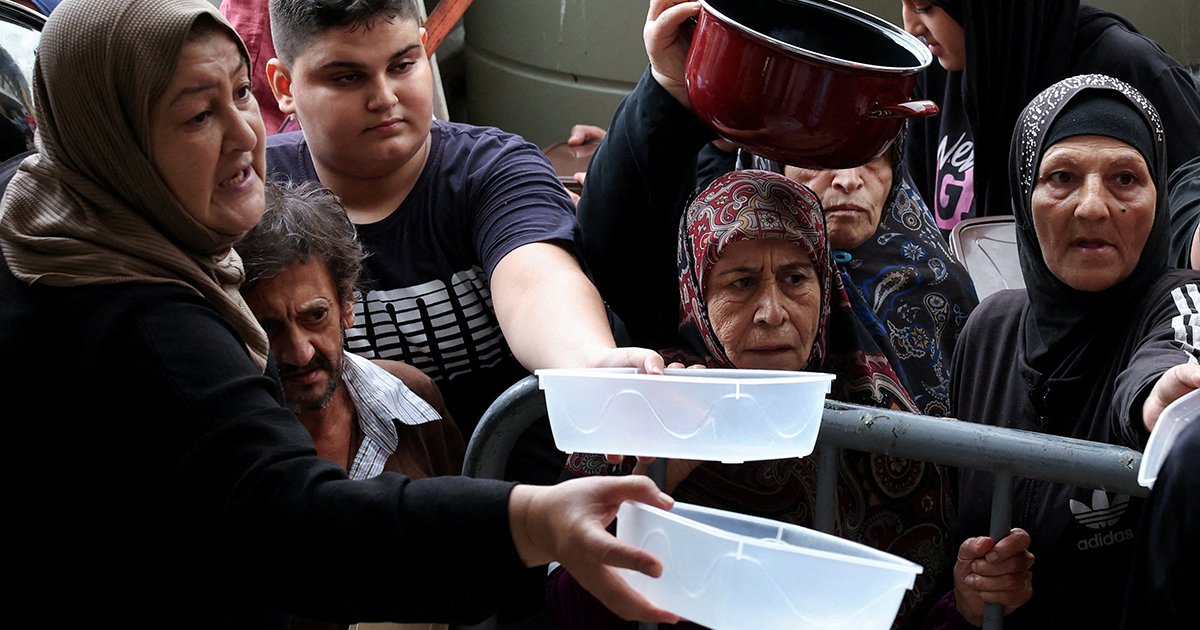
This year, Christians in Lebanon are celebrating Easter away from their homes and churches due to the ongoing conflict that has forced many to flee. The celebration occurs under difficult circumstances and ongoing suffering, as the displaced face significant challenges in securing their basic needs.
Many families have gathered in relatively safe areas, where special prayers for Easter have been held. Clergy have emphasized the importance of faith during these trying times, stressing the need for unity and solidarity among community members. Despite the harsh conditions, some have attempted to bring joy to the celebrations by decorating their homes and preparing traditional dishes.
Event Details
The Easter celebrations coincide with rising tensions in Lebanon, where the country is suffering from severe economic and political crises. The ongoing conflict has led to the displacement of many Christian families, making the celebration of Easter away from home a painful experience. Many displaced individuals have expressed feelings of sadness and grief over the loss of their homes and churches.
In this context, some religious leaders have pointed out the importance of maintaining morale under these circumstances. Some have called for the necessity of helping the displaced and providing support, whether through humanitarian aid or by offering safe places to celebrate.
Background & Context
Historically, the Christian community in Lebanon has faced numerous crises, from the civil war in the 1970s and 1980s to the current conflicts. The ongoing strife has led to a decline in the Christian population in Lebanon, as they face significant challenges in preserving their cultural and religious identity.
The Christian community is considered an essential part of the Lebanese social fabric and has contributed to shaping the country's history. However, the current circumstances threaten the community's survival in their homeland, raising concerns about their future in Lebanon.
Impact & Consequences
The repercussions of the conflict in Lebanon extend beyond its borders, affecting regional stability. The continued Christian displacement may lead to demographic changes in Lebanon, potentially impacting political and social balances. These conditions could also contribute to increased tensions among different sects.
Moreover, the economic and political crises in Lebanon affect all segments of society, making it difficult for the displaced to return home. The continuation of these conditions may exacerbate the humanitarian crises in the country.
Regional Significance
The situation of Christians in Lebanon exemplifies the challenges faced by religious minorities in the Arab region. The ongoing conflicts in the Middle East lead to the displacement of many individuals, threatening the cultural and religious diversity in these countries. These conditions may also worsen humanitarian crises in the region.
As the Easter celebrations conclude, there remains hope that the current crises will end and that the displaced will return to their homes. Unity and solidarity among the Christian community in Lebanon may be key to overcoming these difficult times.