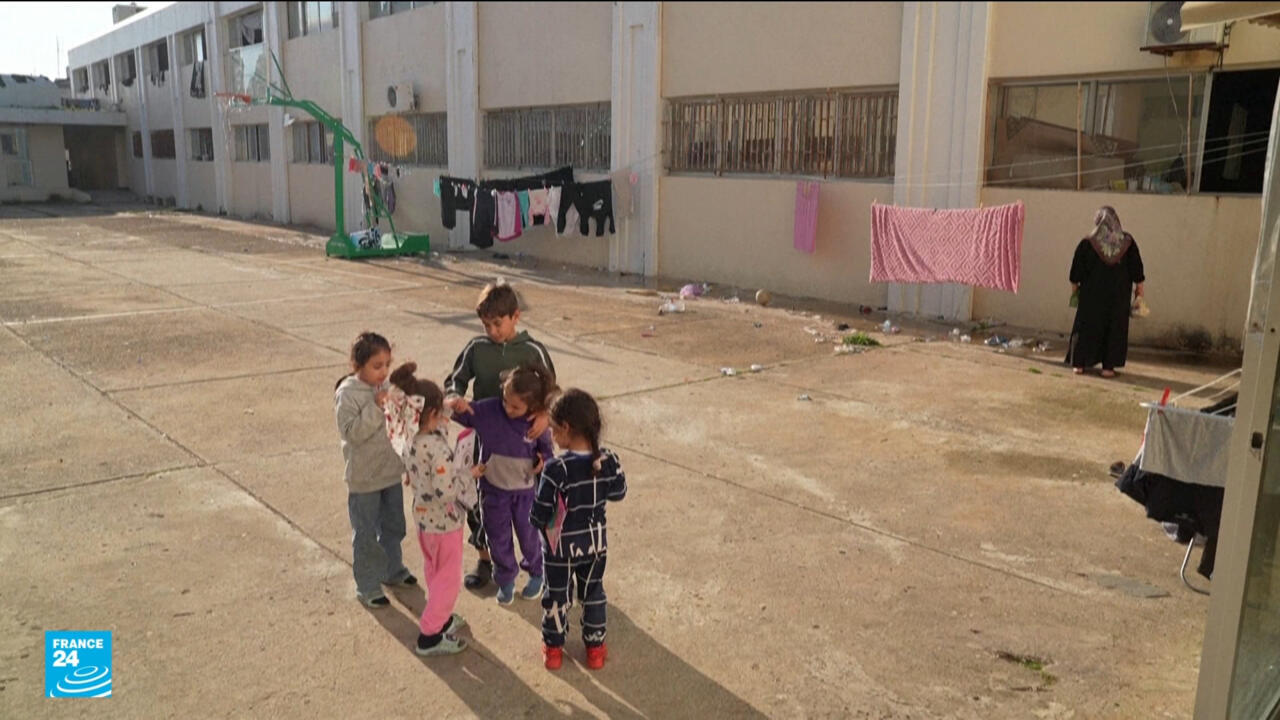
Despite the ongoing Israeli bombardment targeting various areas in Lebanon, especially the southern villages, some Lebanese families continue to cling to their land, refusing to leave their villages despite Israeli evacuation threats. These families express their determination to stay in their homes, holding onto their roots and history in those areas.
Reports indicate that the Israeli bombardment has led to the displacement of hundreds of thousands of residents, who have left their homes in search of safety. However, some families prefer to face the dangers rather than abandon their lands, reflecting a strong will and attachment to their territory.
Details of the Ongoing Situation
The Israeli military operations continue in southern Lebanon, where artillery shelling and warplanes target numerous villages. This escalation has created a state of panic among residents, prompting many to flee to safer areas. Nevertheless, some families refuse to leave their villages, considering that returning home is the only option available to them.
Some families share their memories and experiences in those villages, viewing them as an integral part of their identity and culture. They assert that they will not leave their homes easily, even in the face of increasing threats.
Background & Context
The history of the Lebanese-Israeli conflict spans decades, with the region witnessing numerous disputes and wars. Since 2006, when war broke out between Hezbollah and Israel, the area has experienced a continuous escalation of tensions. With the recent increase in Israeli bombardments, the situation has become more complicated, exacerbating humanitarian crises in Lebanon.
The city of Tyre is one of the most prominent Lebanese cities affected by this conflict, serving as an important cultural and historical center. As the bombardment continues, the city's residents face significant challenges in maintaining their daily lives.
Impact & Consequences
The repercussions of this conflict extend beyond Lebanese borders, affecting regional stability. The mass displacement of residents creates new humanitarian crises and increases pressure on neighboring countries. Additionally, the ongoing Israeli bombardment could lead to further escalation in the conflict, threatening security across the entire region.
Concerns are growing that this situation may exacerbate economic and social crises in Lebanon, which is already suffering from multiple crises. The continuation of the conflict could hinder humanitarian relief efforts and increase the suffering of the population.
Regional Significance
The Lebanese-Israeli conflict is part of broader regional conflicts, where political and economic interests intersect. The ongoing conflict in Lebanon may affect relations among Arab countries and deepen internal divisions.
Moreover, the situation in Lebanon could serve as a model for other conflicts in the region, where many countries face similar challenges. The attachment to land and identity in the face of threats is a common trait among many Arab peoples, reflecting a strong will to confront difficulties.
In conclusion, Lebanese families in the city of Tyre exemplify resilience and defiance, insisting on staying in their homes despite all challenges. This situation reflects the depth of the conflict in the region and underscores the importance of supporting humanitarian efforts to protect civilians during crises.