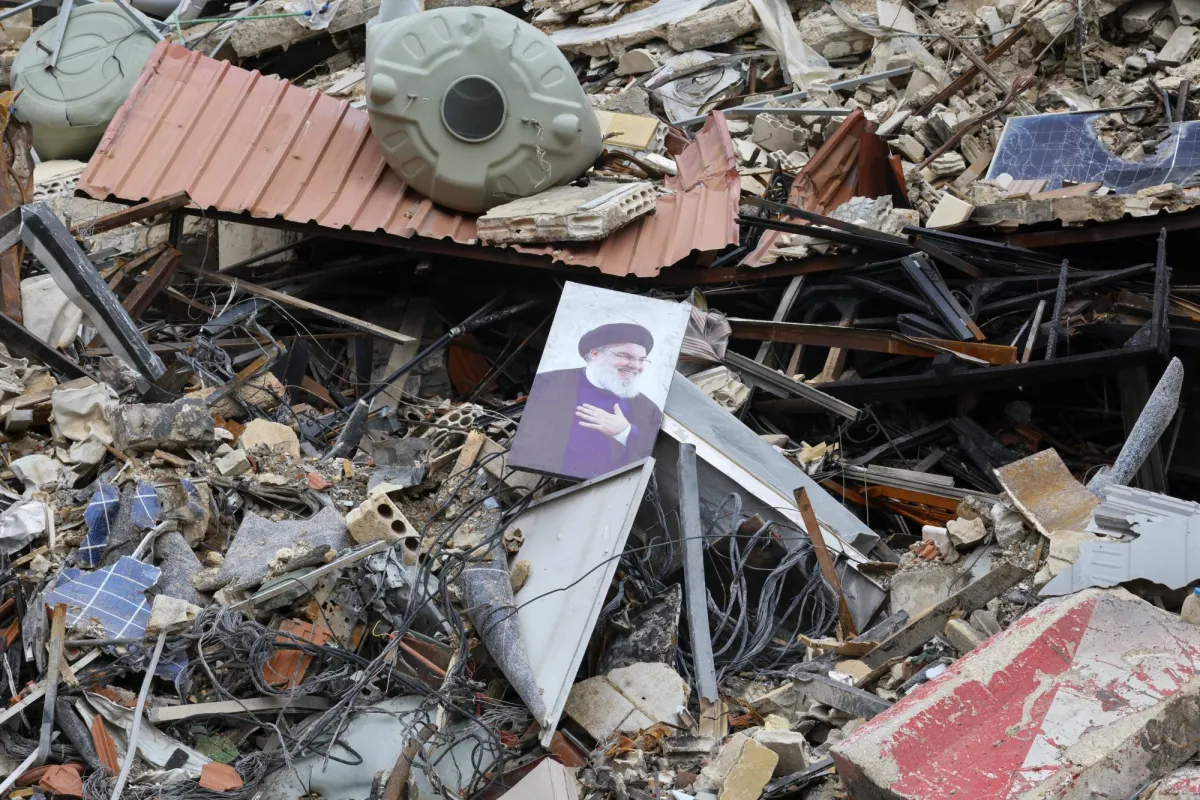
The Lebanese government is set to hold a session on Thursday, marking the first test of the political crisis depth following the Foreign Minister's decision to declare Iranian Ambassador Mohammad Reza Shibani persona non grata. This decision comes at a time when Lebanon is experiencing a sharp division between the Shiite duo represented by Hezbollah and Amal Movement, and other government factions, complicating the political landscape.
The session, scheduled to take place at the Grand Serail, aims to discuss the current situation and its implications across various levels, including political, security, and social dimensions, especially in light of escalating Israeli attacks and the issue of displacement, according to a statement from the Prime Minister's office.
Details of the Event
Lebanon has entered a severe political crisis following the Foreign Ministry's decision, which it justified by citing violations committed by the Iranian ambassador against diplomatic norms. In the first test of the repercussions of this decision, informed sources did not rule out that ministers from the Shiite duo might boycott the session if a resolution to the crisis is not reached. Meanwhile, other sources indicate that communications between Parliament Speaker Nabih Berri and President Joseph Aoun are ongoing, attempting to find a preliminary formula to contain the escalation.
So far, no comment has been issued from the Lebanese presidency regarding the Foreign Ministry's decision, pending the session and the developments that may arise from it. The Lebanese president is facing pressures from both sides, with the Shiite duo demanding a reversal of the decision, while the decision receives support from other political forces opposing Hezbollah.
Background & Context
The attempts by the Shiite duo to address the crisis are seen as a retreat from the decision, which diplomatic sources view as an unfeasible option. The decision is considered a sovereign step by the Lebanese state, as the president holds the authority according to international laws. The Iranian ambassador, who had been previously appointed, was not officially accredited, further complicating the situation.
The current political crisis reflects the axis struggles in Lebanon, where political alignments are clearly manifested. The Amal Movement confirmed in a statement that it will not relent in passing the crisis, while Hezbollah urged the Lebanese state to reverse the decision to expel the Iranian ambassador, indicating that it does not serve Lebanon's interests.
Impact & Consequences
The repercussions of this decision extend beyond the Iranian ambassador issue, as fears of greater escalation in relations between Lebanon and Israel emerge. Hezbollah's Secretary-General, Naim Qassem, indicated that Lebanon faces two options: surrender or resistance, reflecting an escalation in political stances. At the same time, direct negotiations between Lebanon and Israel continue, but they have stalled due to Lebanon's unwillingness and Israel's desire to continue attacking Hezbollah.
In this context, France seeks to raise the Lebanese file at the G7 Foreign Ministers' meeting, where the Lebanese issue will be a focal point of discussions. Paris hopes that these meetings will contribute to resolving global crises, including the war against Iran and crises in the Middle East and North Africa.
Regional Significance
These developments in Lebanon are indicative of rising tensions in the region, as the political division in Lebanon reflects a larger picture of regional conflicts. Under these circumstances, the Lebanese crisis is expected to impact relations with other Arab countries, especially those involved in the conflict with Israel.
In conclusion, the situation in Lebanon remains complex, with political, security, and social dimensions intertwining, making it difficult to predict the course of events in the near future.