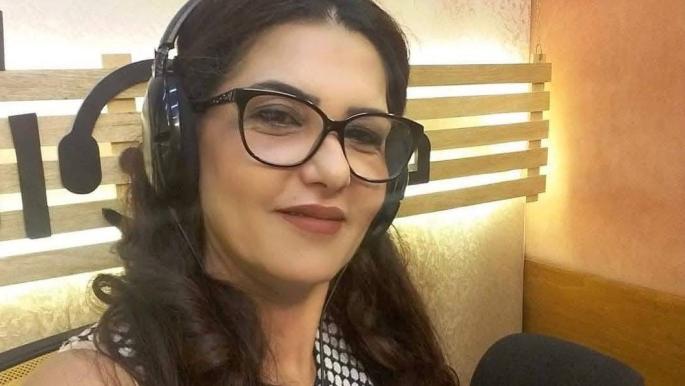
Two Lebanese journalists, Susan Khalil and Ghada Deyah, were killed in Israeli airstrikes on a Lebanese region. Amin Shoumer, another journalist, was injured in the same airstrikes, highlighting the significant risks faced by journalists in conflict zones.
The incident occurred as tensions in the region escalate, with many areas in Lebanon facing repeated airstrikes. These airstrikes have sparked angry reactions from media institutions and human rights organizations, which have called for the protection of journalists and ensuring their safety while performing their professional duties.
Incident Details
During the incident, a Lebanese region was targeted by aerial bombardments, resulting in the deaths of Susan Khalil and Ghada Deyah. Susan Khalil was known for her coverage of political and social events in Lebanon, while Ghada Deyah contributed to the broadcast of local and international news through the 'Voice of Joy' radio station. The incident occurred while they were covering ongoing events, reflecting the risks faced by journalists in conflict zones.
Amin Shoumer, who was injured in the airstrikes, was working on covering the situation in the region and was taken to the hospital for treatment. This incident highlights the challenges faced by journalists in performing their duties, as they are exposed to danger in the face of heightened security tensions.
Background and Context
Historically, Lebanon has experienced numerous armed conflicts that have significantly impacted press freedom. In recent years, the risks faced by journalists have increased, particularly in the context of political and social tensions. The aerial bombardments carried out by occupying forces have contributed to these risks, targeting journalists while they perform their duties.
Freedom of the press is a fundamental democratic principle, but the situation in Lebanon reflects significant challenges in this regard. Journalists often face intimidation and threats, hindering their ability to provide objective and free information.
Impact and Consequences
This incident may have negative repercussions on press freedom in Lebanon, as journalists may feel more fearful and apprehensive while covering events. The killing of journalists may also lead to international calls for increased protection of journalists in conflict zones.
It is expected that human rights organizations will react to this incident, calling for the accountability of those responsible for these attacks. The incident may also affect the coverage of events in the region, as journalists may be reluctant to perform their duties in the current circumstances.
Regional Significance
This incident is part of a broader phenomenon related to the risks faced by journalism in the Arab world. Many countries have seen attacks on journalists, hindering freedom of expression and affecting the ability of the media to perform its role in society.
In the Arab context, the importance of protecting journalists and ensuring their safety is emphasized, as press freedom is a fundamental element in building democratic societies. This incident calls for the need to take effective measures to protect journalists across the region.
In conclusion, the killing of Susan Khalil and Ghada Deyah highlights the risks faced by journalists in conflict zones, and it is essential for the international community to work towards protecting press freedom and ensuring the safety of journalists.