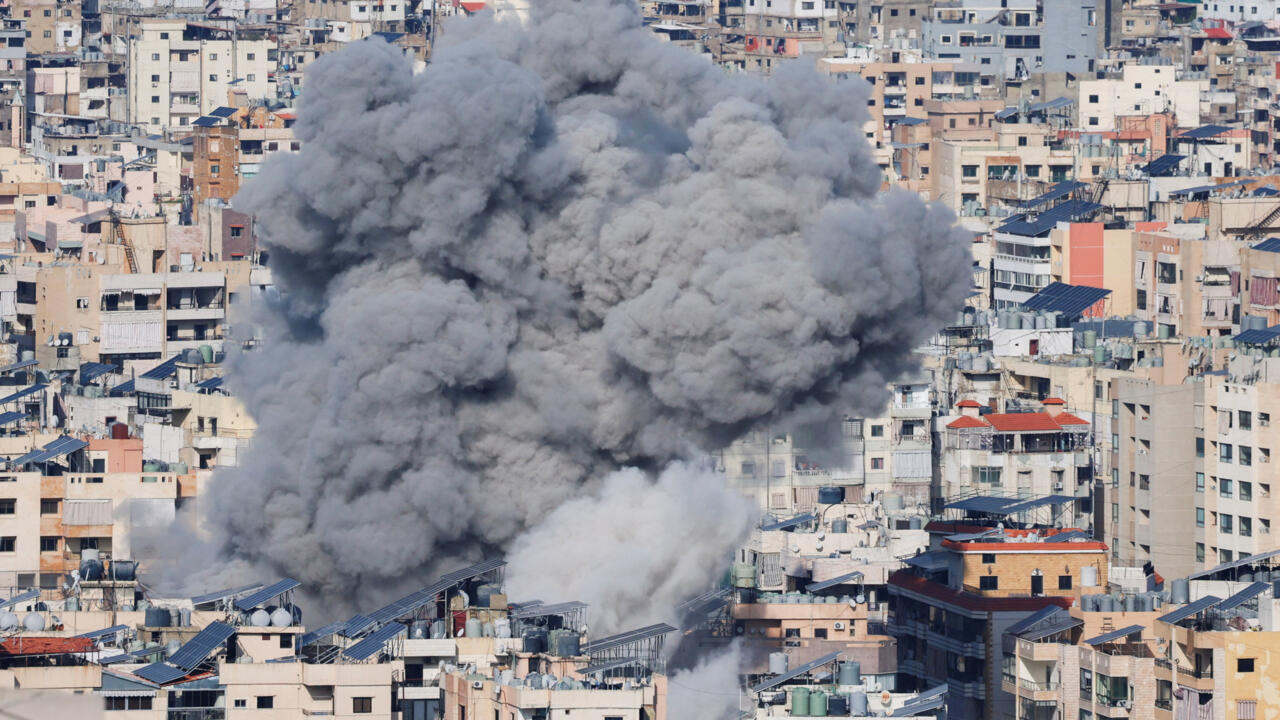
Lebanese President Joseph Aoun, in a televised speech on Sunday, reiterated his call for negotiations with Israel, warning that the continuation of Israeli attacks could lead southern Lebanon to a fate similar to what is happening in Gaza. These statements come amid escalating Israeli bombardments and ground assaults that have resulted in the destruction of villages and numerous casualties.
Aoun confirmed that "Israel may want to make southern Lebanon like Gaza, but it is our duty not to drag it into that." He expressed concern over the repercussions of the war, noting that diplomacy might be the only way to avoid further tragedies.
Details of the Event
Israeli airstrikes continue in southern Lebanon, focusing on villages and residential areas, leading to the destruction of many homes and the displacement of residents. Aoun pointed out that the death toll in Lebanon has surpassed 1400, while over 4000 people have been injured, highlighting the scale of the humanitarian disaster the country is experiencing.
In response to critics of his calls for negotiation, Aoun asked, "What have we gained from war?" referring to the situation in Gaza, where more than 70,000 casualties have been reported, indicating that this should serve as a lesson for the Lebanese. He considered dialogue the best option to stop the tragedies and save what remains of homes that have not yet been destroyed.
Background & Context
Historically, Lebanon has experienced ongoing conflicts with Israel, particularly during wars that erupted in past years. These disputes have led to a deterioration of humanitarian and economic conditions in the country. Currently, Lebanon is under additional pressures due to the political and economic crises it faces, complicating the situation further.
It is noteworthy that Lebanon hosts a large number of Palestinian refugees, which increases the sensitivity of the situation in the south. As tensions rise, there is growing concern that any military escalation could have catastrophic consequences for civilians.
Impact & Consequences
Aoun's call for negotiations with Israel could lead to a shift in the political dynamics of the region. If Israel responds to this call, it may open the door for broader dialogue on unresolved issues; however, if ignored, violence may escalate further, threatening the stability of Lebanon and the region.
The humanitarian situation in Lebanon could deteriorate further if military operations continue, potentially leading to an influx of more refugees into neighboring countries, which could place additional pressure on these nations. Furthermore, the continuation of violence may affect Lebanon's relations with the international community, especially with Western countries seeking to achieve peace in the region.
Regional Significance
The Lebanese president's call for negotiations with Israel is indicative of the challenges faced by Arab countries in dealing with regional conflicts. Events in Lebanon could impact the security and stability of neighboring countries, especially amid the multiple crises affecting the region.
As Arab nations strive for stability, the situation in Lebanon may escalate tensions, necessitating international intervention to ensure the protection of civilians and avoid further humanitarian disasters.
In conclusion, President Aoun's call for negotiations with Israel is a significant step given the current circumstances, highlighting the urgent need for dialogue as a means to prevent further tragedies and save what can be salvaged in Lebanon.