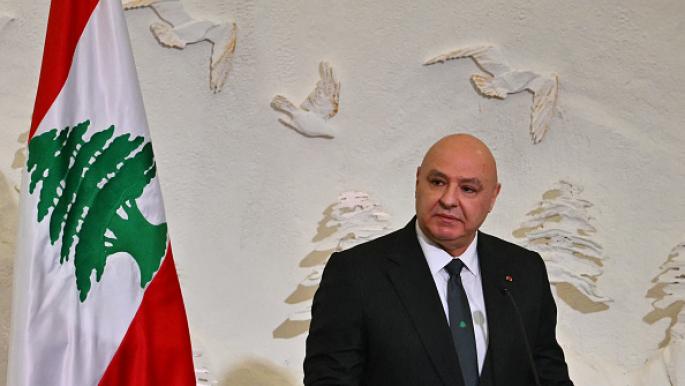
Lebanese President Joseph Aoun emphasized that civil peace in Lebanon is a 'red line', warning that stirring sectarian and religious tensions benefits Israel. This statement was made during his call to enhance national unity and maintain stability in the country.
In light of the difficult political and economic circumstances facing Lebanon, Aoun stressed the importance of solidarity among all Lebanese to avoid slipping into chaos. He pointed out that any attempt to incite sectarian strife would only lead to the destruction of the social fabric that characterizes Lebanon.
Details of the Event
Aoun's statements come at a sensitive time, as the country is experiencing increasing tensions due to economic and political crises. Recently, there has been a rise in sectarian rhetoric that threatens to revive old divisions. Aoun, who has been in office since 2016, is striving to maintain stability amid internal and external pressures.
Aoun also noted that inciting sectarian and religious tensions is not only a threat to civil peace but also serves the interests of external powers, particularly Israel, which always seeks to exploit any division in the region to its advantage. He affirmed that Lebanese people must be aware of these dangers and work to promote dialogue and understanding among different sects.
Background & Context
Lebanon is known for its sectarian diversity, comprising many sects and denominations. The country has witnessed civil wars and sectarian conflicts in the past that led to widespread destruction. Therefore, maintaining civil peace is vital for the country's stability. In recent years, fears of a return to these divisions have increased, especially with the deteriorating economic conditions.
Historically, sectarian tensions have been used as a tool for control by certain political forces, exacerbating crises. Today, Aoun aims to change this trajectory by calling on all parties to abandon their disputes and focus on national interests.
Impact & Consequences
Aoun's warnings come at a critical time, as Lebanon faces significant challenges related to its economy and politics. If sectarian tensions continue to escalate, it could worsen social and economic crises, threatening stability in the country. Any slide into chaos could also have negative repercussions on regional security.
It is important for Lebanese people to realize that any internal division could be exploited by the enemies of the country, primarily Israel, which has always sought to destabilize Lebanon. Therefore, enhancing national unity becomes an urgent necessity at this stage.
Regional Significance
The situation in Lebanon serves as a model for what could happen in other countries suffering from sectarian divisions. Any escalation in sectarian tensions could affect the stability of the entire region. Thus, Aoun's calls to maintain civil peace may serve as a message to other countries in the region.
In light of the multiple crises facing Arab countries, it becomes essential to promote dialogue and understanding among various parties to avoid slipping into chaos. Stability in Lebanon can positively impact neighboring countries, enhancing the prospects for peace in the region.
In conclusion, civil peace in Lebanon remains a vital issue that requires continuous efforts from all parties. Strengthening national unity is the only way to avoid future crises and ensure the country's stability.