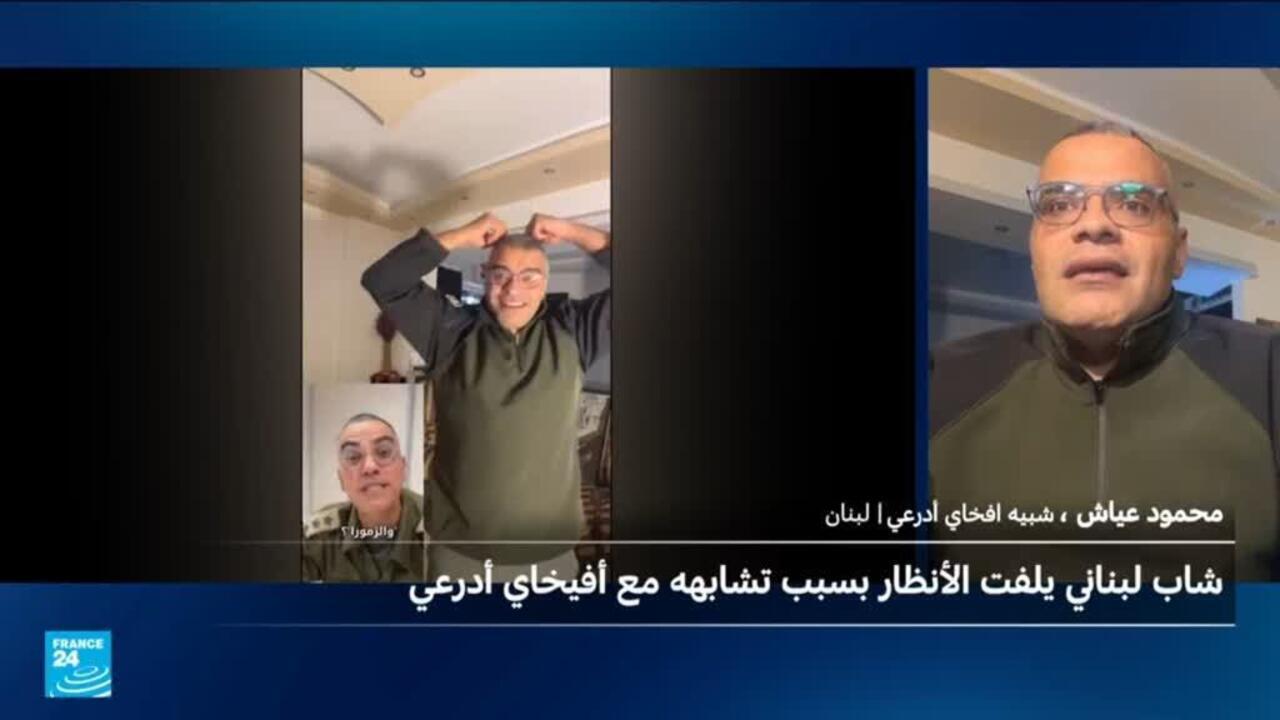
In the midst of escalating military tensions between Lebanon and Israel, Mahmoud Ayash, a young Lebanese man, has gained attention for his striking resemblance to Israeli army spokesman Avichai Adraee. This similarity has piqued the interest of Lebanese citizens and increased Ayash's popularity on social media.
Avichai Adraee, who has become well-known in Lebanon due to his repeated warnings to civilians in targeted areas, has become a symbol of controversy under the current circumstances. As the Lebanese follow the developments of the war, they have found in Ayash a figure reminiscent of Adraee, which has heightened their engagement with the content he shares across platforms.
Details of the Event
Mahmoud Ayash's popularity is noticeably on the rise, as he shares videos featuring satirical commentary and analyses of the military situation. This trend has garnered him a wide following, especially among Lebanese youth. Ayash seizes this opportunity to express his views on current events, making him an influential figure in the Lebanese landscape.
The resemblance between Ayash and Adraee extends beyond their appearance; it also encompasses their communication styles and interactions with the audience. While Adraee aims to convey messages from the Israeli army, Ayash employs a different approach that blends humor with seriousness, making him a focal point of interest for his followers.
Background & Context
Historically, Lebanese-Israeli relations have been marked by ongoing tensions, particularly amid recurring military conflicts. Adraee, representing the Israeli side, has become a symbol of military discourse, while Ayash seeks to present a Lebanese perspective characterized by analysis and critique.
These events come at a sensitive time, as concerns are rising in the region over escalating violence. Lebanese citizens, living under the pressure of war, find in Ayash a means to express their feelings and opinions in an unconventional manner.
Impact & Consequences
Ayash's influence on social media reflects the desire of Lebanese youth to express their opinions freely. This phenomenon could lead to increased awareness of national issues and may contribute to shaping public opinion regarding ongoing events.
At the same time, this resemblance may exacerbate divisions between Lebanese and Israelis, as each side becomes more entrenched in its own narrative. This situation could lead to heightened tensions in the future.
Regional Significance
This phenomenon illustrates how social media can play a role in shaping political and social events in the region. Arab youth, increasingly reliant on these platforms, could have a significant impact on the future of inter-state relations.
Moreover, these events reflect the challenges facing the region, as young people strive to express their opinions under difficult circumstances. Ayash, through his persona, represents a new voice in the Lebanese arena.
In conclusion, the resemblance between Mahmoud Ayash and Avichai Adraee highlights current tensions and underscores the importance of social media in shaping public opinion. As events continue to unfold, the question remains about how these figures will influence the future of Lebanese-Israeli relations.