Lebanon is entering a new phase of regional positioning, revealing a complex organizational structure managed by Iran through the Revolutionary Guard. This raises concerns about the country becoming a center for managing conflict and influence.
Reports indicate that this structure is distributed among Lebanese and Palestinian arms, operating within an intertwined network of security, military, and political functions, similar to the situation in Syria before the fall of Bashar al-Assad's regime.
Details of the Incident
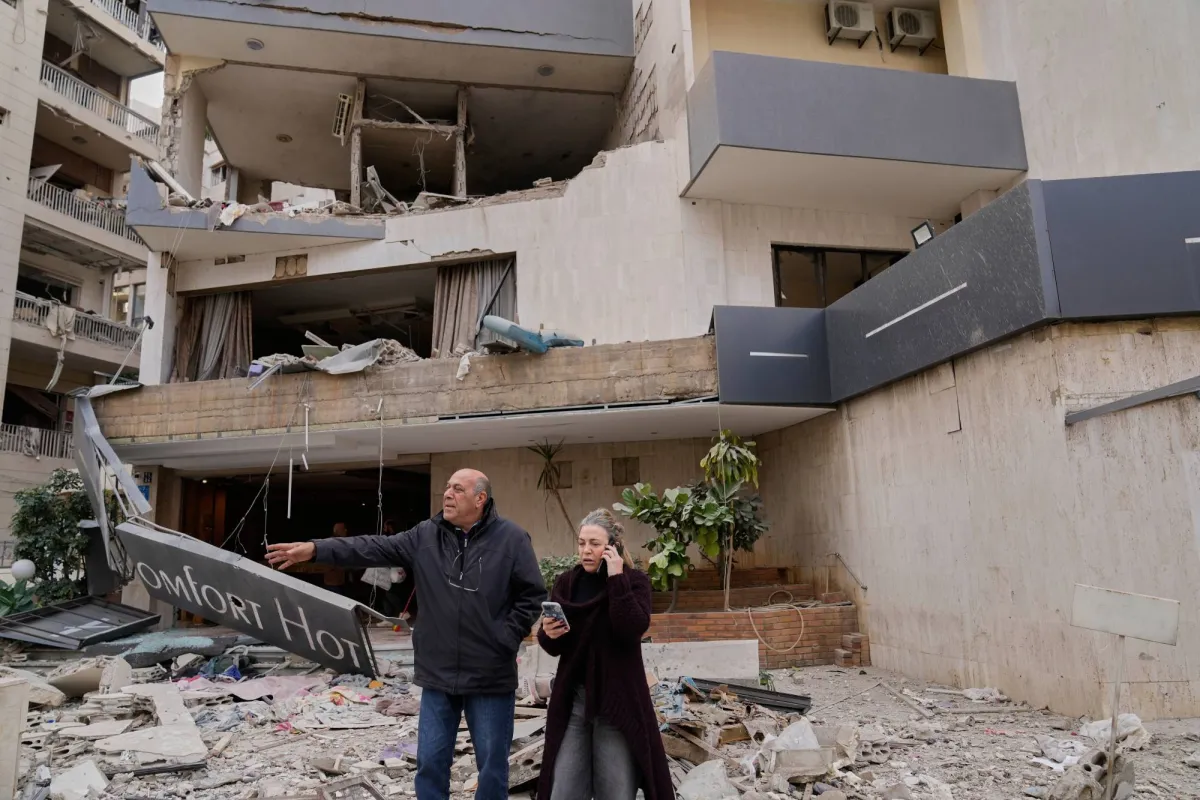
In this context, Israeli army radio reported an assassination attempt in Beirut targeting a member of the Palestinian Brigade affiliated with the Iranian Quds Force. Israel also confirmed that it had previously carried out assassinations targeting Iranian figures in Lebanon, reflecting the rising tensions in the region.
On March 11, the Israeli army announced the targeting of Hisham Abdul Karim Yassin, described as a key leader in Hezbollah's communications unit, highlighting the strategic importance of the Iranian organizational structure in Lebanon.
Background & Context
The organizational structure linked to Iran in Lebanon consists of multiple formations, with the Quds Force being the central framework. Local and Palestinian arms are created under various names for organizational and media purposes. This structure is not limited to the Shiite environment but includes Sunni and Palestinian groups, reflecting the diversity of active forces in the Lebanese arena.
This diversity aims to enhance Hezbollah's legitimacy by demonstrating a broader alliance with Palestinian and Islamic factions, thereby reducing its internal isolation.
Impact & Consequences
Estimates show that Lebanon has become an alternative arena for the influence of the Iranian Revolutionary Guard following Iran's diminished ability to utilize the Syrian arena. This shift reflects Lebanon's importance as an advanced platform for managing conflict, where Iran can operate within a complex environment that allows for multiple cover operations.
This transformation also reflects the nature of Iranian expansion, where the role is no longer limited to logistical support but has shifted to managing direct operations from within Lebanon, making it the most sensitive geography in this axis.
Regional Significance
This situation poses a significant challenge to regional security, as the Iranian Revolutionary Guard seeks to enhance its influence in Lebanon, which could escalate tensions with Israel. Additionally, this influence may affect relations between Lebanon and other Arab countries, complicating the political landscape in the region.
In conclusion, it is clear that Lebanon has become a strategic pivot for Iran, necessitating close monitoring by regional and international powers.