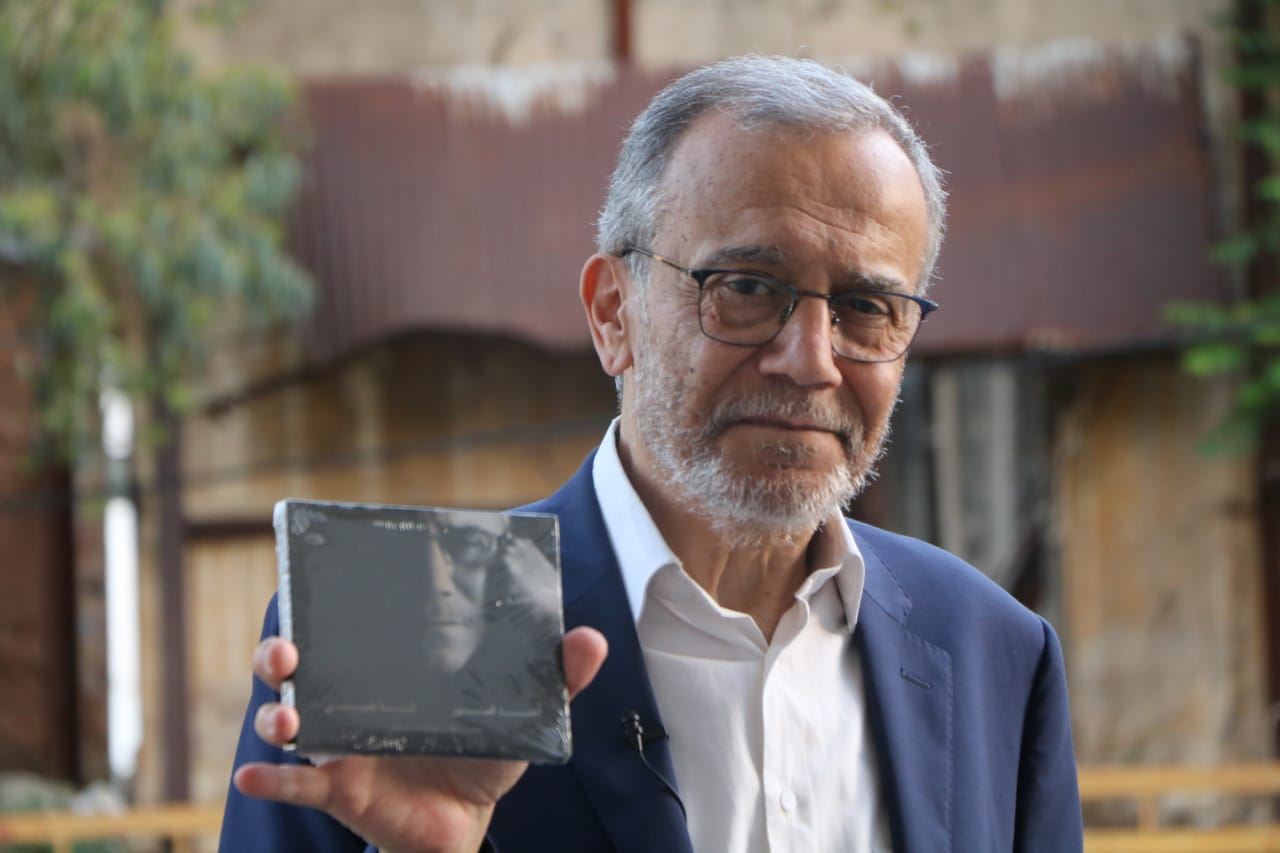
Lebanese artist Ahmad Kaabour has passed away today at the age of 71, after a bitter struggle with cancer. Kaabour's departure represents a significant loss for the Lebanese and Arab artistic scene, as he was one of the most prominent voices expressing the Arab sentiment through his musical and lyrical works.
Born in 1952, Ahmad Kaabour began his artistic career in the 1970s, achieving widespread fame thanks to his unique voice and distinctive style in presenting songs. He managed to transform music into a sincere means of expressing people's feelings and issues, making him a cultural icon in the Arab world.
Details of the Event
Kaabour died in a hospital in Beirut, where he was receiving treatment for the cancer that ultimately took his life. Many artists and public figures mourned Kaabour, expressing their sorrow over the loss of one of the pillars of Lebanese art. Funeral ceremonies were held in the Lebanese capital, where his fans and colleagues gathered to offer their condolences.
Kaabour was known for his songs that addressed social and political themes, such as “Anadikum” and “Ya Habibi”, which are still sung today. He also played a prominent role in musical theater, presenting many successful performances that were well-received by audiences.
Background & Context
Ahmad Kaabour's death comes at a time when the Lebanese artistic scene is facing significant challenges, particularly due to the economic and political crises affecting the country. Kaabour was part of a generation of artists who contributed to shaping Lebanese cultural identity and played a role in promoting the arts and music amid difficult circumstances.
Over the decades, the Lebanese artistic scene has witnessed significant changes, with new voices emerging while others faded. Nevertheless, Kaabour remained a symbol of authentic art that reflects people's concerns and hopes. He had a profound impact on many young artists who considered him a role model.
Impact & Consequences
Kaabour's passing raises questions about the future of Lebanese and Arab art in the current circumstances. He represented a bridge between generations, successfully blending traditional musical heritage with modernity. With his loss, many feel that the artistic scene has lost one of its most prominent pillars.
Kaabour's influence extends beyond music, as he played a role in promoting human and social values through his art. He contributed to raising awareness about important issues such as social justice and human rights, making him a pivotal figure in society.
Regional Significance
Ahmad Kaabour is considered one of the shining names in the history of Arab art, and his departure is a loss for everyone. He had a significant impact on many artists in Arab countries, who drew inspiration from his works and style of expression. His loss leaves a considerable void in the artistic scene and reflects the challenges facing the arts in the region.
Kaabour's influence transcends Lebanese borders, as he had a wide audience in other Arab countries. His songs helped unite feelings and emotions among Arab peoples, making him a symbol of shared Arab culture.
In conclusion, Ahmad Kaabour will remain in the memory of his admirers as a great artist who left an unforgettable mark in the world of music and art. His artistic legacy will live on in the hearts of people, and his impact will continue to resonate with future generations.