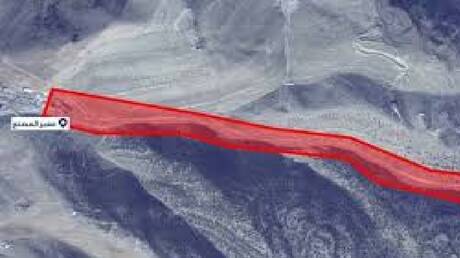
Lebanon's Minister of Public Works and Transport, Fayez Al-Rassamni, firmly denied allegations regarding arms smuggling or illegal materials through the Masnaa border crossing with Syria. Al-Rassamni stated that these accusations are not based on any concrete evidence and that Lebanon is committed to enforcing international laws related to borders and trade.
These statements come at a sensitive time, as tensions in the region are rising, particularly with repeated Israeli threats against Lebanon. The minister highlighted that Lebanon is working to enhance the security of its borders and stressed the importance of respecting national sovereignty.
Details of the Incident
In an official statement, Al-Rassamni noted that the allegations of arms smuggling through the Masnaa crossing are not new; they stem from previous attempts to tarnish Lebanon's image in the international community. He clarified that the Lebanese government takes these allegations seriously and is investigating any claims that may arise.
The minister also pointed out that the Masnaa crossing is one of the most important border points between Lebanon and Syria, primarily used to facilitate trade and transport between the two countries. He assured that any illegal activities would be dealt with firmly in accordance with applicable laws.
Background & Context
Historically, the Lebanese-Syrian border has witnessed multiple tensions, especially amid the political and security crises plaguing the region. There have been previous allegations regarding arms and drug smuggling, which have led to increased surveillance along the border.
In recent years, the Lebanese government has sought to enhance cooperation with Syrian authorities to ensure border security; however, tensions with Israel continue to affect the security situation. These tensions have raised concerns about a potential military escalation.
Impact & Consequences
These allegations pose a threat to Lebanon's national security, as they could lead to heightened tensions with Israel, which closely monitors any activity along the border. Such conditions may also impact Lebanon's relations with the international community, especially given the political and economic pressures Lebanon is currently facing.
On the other hand, the Lebanese government's denial of these allegations may help bolster its position in international forums, demonstrating its commitment to laws and international conventions. However, the greatest challenge remains how to address the increasing Israeli threats.
Regional Significance
The repercussions of these allegations extend beyond Lebanon's borders, affecting regional stability as a whole. Amid the multiple crises faced by Arab countries, any escalation in Lebanon could lead to negative consequences for neighboring states.
Moreover, the situation in Lebanon may influence peace and stability efforts in the region, particularly given the ongoing tensions between Israel and the Palestinians. Any military escalation could exacerbate humanitarian conditions in the area, increasing civilian suffering.
In conclusion, the situation in Lebanon requires close monitoring, as current tensions could lead to unforeseen outcomes. It is crucial for the Lebanese government to continue enhancing the security of its borders and work on improving relations with its neighbors.