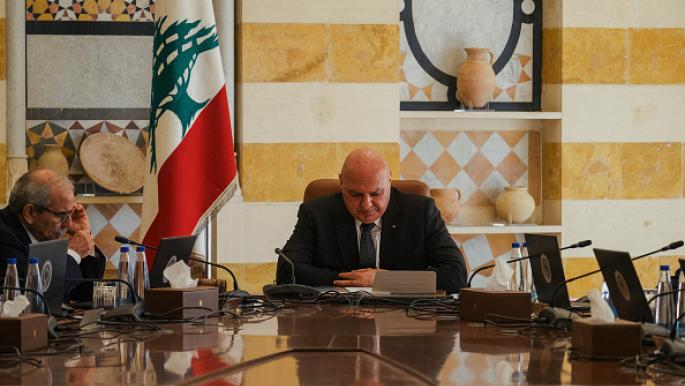
Lebanon has entered a phase of diplomatic stalemate both locally and internationally, coinciding with an escalation of Israeli military operations and increased ground incursions in the south. These developments come at a time when Lebanon is grappling with significant political and economic challenges, complicating the internal situation further.
As pressures mount on the Lebanese government, sources within Hezbollah have confirmed that there is currently no communication with Lebanese President Michel Aoun or former Prime Minister Tammam Salam. This breakdown in communication reflects a state of tension and political stagnation that Lebanon is experiencing, with a prevailing uncertainty about the country's future.
Details of the Event
Reports indicate that Israeli military operations have noticeably escalated in recent days, with Israeli forces conducting several airstrikes targeting sites in southern Lebanon. Additionally, reports have noted an increase in Israeli ground incursions, raising fears of a larger escalation in the region.
In this context, Lebanon is suffering from a suffocating political crisis, as political leaders have been unable to reach a consensus on forming a new government or addressing the escalating economic and social crises. This political stalemate negatively impacts Lebanon's ability to confront external challenges, including the Israeli escalation.
Background & Context
Historically, Lebanon has experienced ongoing tensions with Israel, particularly in border areas. Since the 2006 war, relations between the two sides have been strained, with Israel and Hezbollah exchanging accusations of provocations. With increasing regional and international pressures, Lebanon finds itself in a fragile position, making it susceptible to external interventions.
Moreover, the economic situation in Lebanon has significantly worsened in recent years, with Lebanese citizens facing a crippling financial crisis that has led to the collapse of the national currency and rising poverty and unemployment rates. These internal crises make it difficult for the Lebanese government to focus on external challenges, including the Israeli escalation.
Impact & Consequences
Experts assert that the continuation of Israeli military escalation in Lebanon could exacerbate the security and economic conditions in the country. Should military operations persist, we may witness reactions from Hezbollah, increasing the likelihood of a new armed conflict in the region.
Furthermore, the current political stalemate may weaken Lebanon's ability to negotiate with the international community for the necessary support to address multiple crises. Under these circumstances, Lebanon may find itself in a vulnerable position against increasing Israeli pressures.
Regional Significance
The situation in Lebanon serves as an indicator of broader regional tensions, with neighboring Arab countries being directly affected by developments in Lebanon. Any military escalation could have repercussions on regional security, raising concerns among other Arab nations seeking stability in the area.
Additionally, the Lebanese situation may impact relations between Arab countries and Israel, as any escalation could deteriorate existing diplomatic relations, complicating peace efforts in the region.
In conclusion, the situation in Lebanon remains complex, with internal crises intertwining with external challenges, necessitating international and regional efforts to support Lebanon during this critical phase.