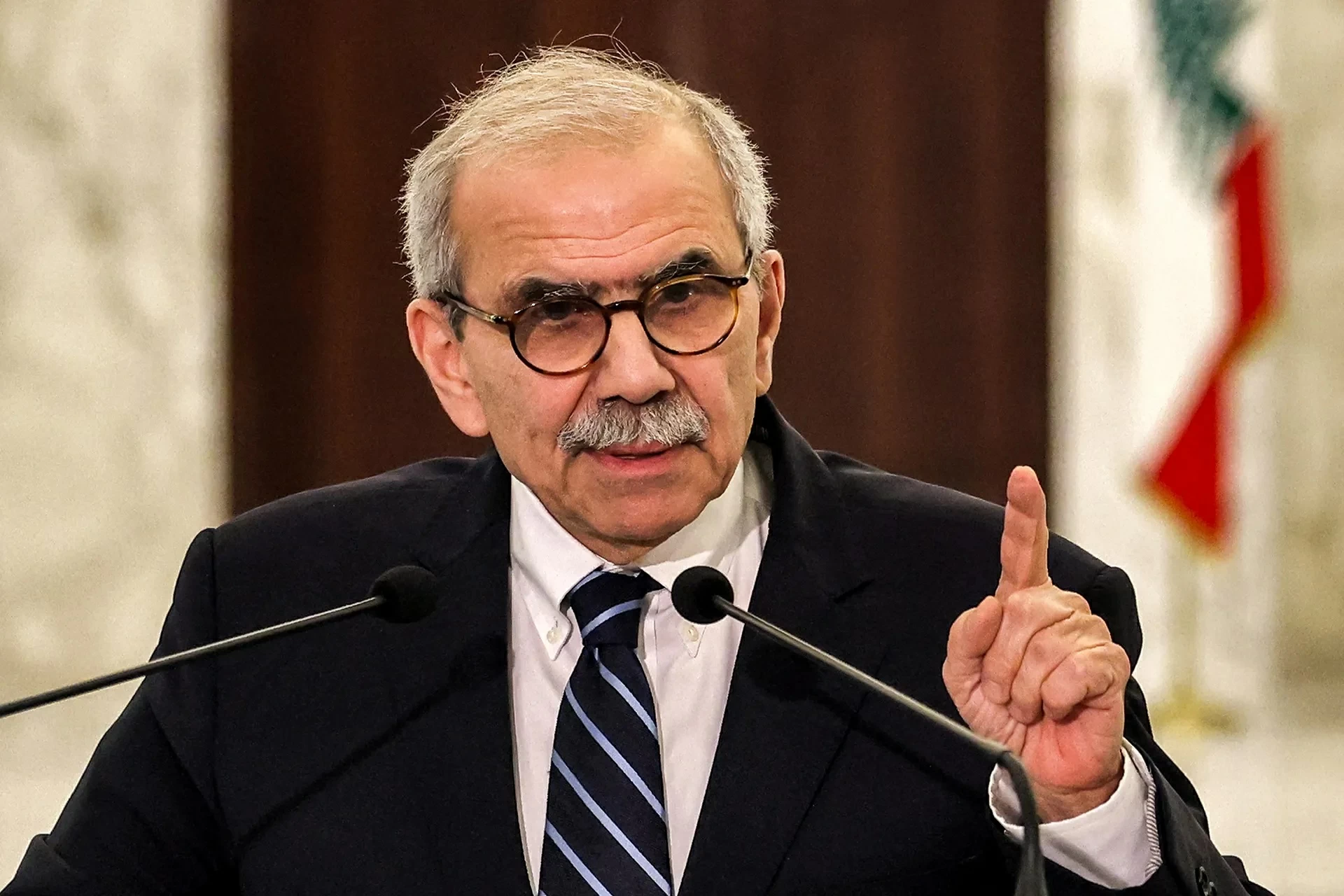
Lebanese Prime Minister Nohad Salam has warned that Lebanon has become a victim of an unpredictable war, asserting that this war has been imposed on the country. This statement came after a cabinet session attended by all Shiite ministers, where he noted that the government has been a month into its complete rejection of any military action outside the legitimate state institutions.
Salam emphasized the importance of renewing efforts to spare Lebanon further tragedies and losses resulting from assaults on its sovereignty, cities, and villages. He confirmed the government's commitment to utilizing all available means to stop the war, indicating that the government will spare no effort in rallying Arab and international support amid the explosive regional conditions that have brought Lebanon back into the conflict arena.
Details of the Situation
Salam pointed out that the Israeli aggression against Lebanon is no longer limited to ongoing military operations that have persisted for the past sixteen months, since the announcement of the ceasefire agreement on November 22, 2024. He considered that the statements from Israeli officials and the practices of their army reveal broader objectives, including the expansion of the occupation of Lebanese territories and the proposal to establish buffer zones or security belts, in addition to the displacement of over 800,000 Lebanese.
He also noted that the current situation necessitates doubling political and diplomatic efforts to stop the blatant violations of international law and humanitarian law. He affirmed that linking the conflict on Lebanese soil to the wars of others does not serve national interests, especially with the announcement of joint military operations with the Iranian Revolutionary Guard.
Context and Background
This statement comes at an extremely sensitive time for Lebanon, which is suffering from the repercussions of political, economic, and social crises. The country has witnessed a rise in military tensions in recent years, increasing citizens' concerns about their future. Additionally, the explosive regional situation reflects significant challenges for the Lebanese government in managing crises.
Historically, Lebanon has been a battleground for regional and international powers, affecting its stability and security. With the rising tensions in the region, Lebanon has once again become a target, complicating the internal situation further.
Consequences and Impact
Concerns are growing that the imposed war on Lebanon could exacerbate humanitarian and economic crises. With the increasing number of displaced persons and refugees, Lebanon faces significant challenges in providing basic needs for its citizens. Furthermore, the continuation of military assaults could worsen security conditions and increase internal divisions.
The Lebanese government is striving to strengthen its position on the international stage by rallying Arab and international support, but the challenges are substantial. External interventions may affect the government's ability to make independent decisions, further complicating the situation.
Impact on the Arab Region
The situation in Lebanon serves as an indicator of broader regional tensions, where events in Lebanon can affect the stability of neighboring countries. With the increasing tensions between regional powers, Lebanon becomes a battleground for settling scores, complicating the security situation in the region.
In conclusion, hope remains pinned on political and diplomatic efforts to stop the war and protect Lebanon's sovereignty. The stability of Lebanon is an integral part of the stability of the region, necessitating the concerted efforts of all concerned parties.