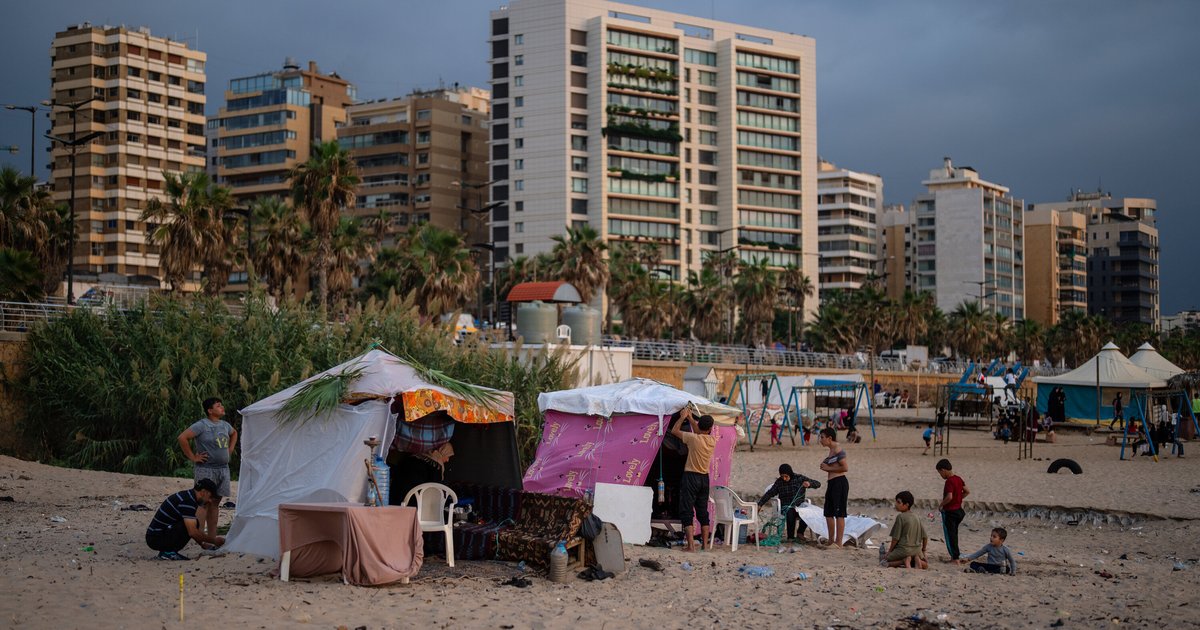
The humanitarian and economic situation in Lebanon is worsening as armed conflict persists, with estimates indicating that over one million people have been displaced from their homes, while the death toll has reached around 1,200 individuals. These figures reflect the magnitude of the disaster faced by the Lebanese people, amid growing fears that this displacement could transform into a long-term crisis that pressures the country’s social and financial infrastructure.
Lebanon is grappling with increasing challenges, suffering from a severe economic collapse that exacerbates the suffering of citizens who have lost their homes and jobs. The current situation necessitates an urgent response from the international community to assist Lebanon in overcoming this crisis.
Details of the Situation
Reports indicate that the ongoing conflict has intensified humanitarian conditions, with displaced individuals facing difficult living circumstances, including shortages of food, water, and healthcare. Additionally, infrastructure in many areas has been significantly damaged, complicating the delivery of humanitarian aid.
Under these conditions, fears are mounting that mass displacement could lead to the disintegration of Lebanon's social fabric, as displaced individuals live in temporary camps or unsuitable conditions. This situation may create new tensions between local communities and the displaced, further complicating the crisis.
Background & Context
Lebanon, which has a long history of conflicts and civil wars, finds itself today in the midst of a new crisis that adds to a series of crises that have plagued it. Since 2019, Lebanon has been suffering from a crippling economic crisis that has led to the collapse of the national currency and rising rates of poverty and unemployment.
Historically, Lebanon has been a destination for many refugees, including Palestinians and Syrians, making it challenging for the state to accommodate more displaced individuals. This historical backdrop reflects the significant challenges faced by the Lebanese government in dealing with successive crises.
Impact & Consequences
The repercussions of the conflict in Lebanon extend beyond national borders, affecting regional stability. The continued displacement may exacerbate humanitarian crises in neighboring countries and increase pressure on limited resources in the region.
Moreover, the economic impact of the conflict could extend to regional markets, affecting trade and investment in Lebanon and its neighboring countries. This situation requires international coordination to address the economic and humanitarian challenges facing the region.
Regional Significance
The crisis in Lebanon is part of a series of crises affecting Arab countries, where armed conflicts and humanitarian crises are on the rise in many nations. The situation in Lebanon highlights the urgent need for regional and international cooperation to resolve humanitarian crises and achieve stability in the region.
Ultimately, hope remains pinned on the international community to provide the necessary support to Lebanon, helping it to overcome this crisis and achieve peace and stability. Addressing humanitarian crises requires joint efforts and effective international collaboration.