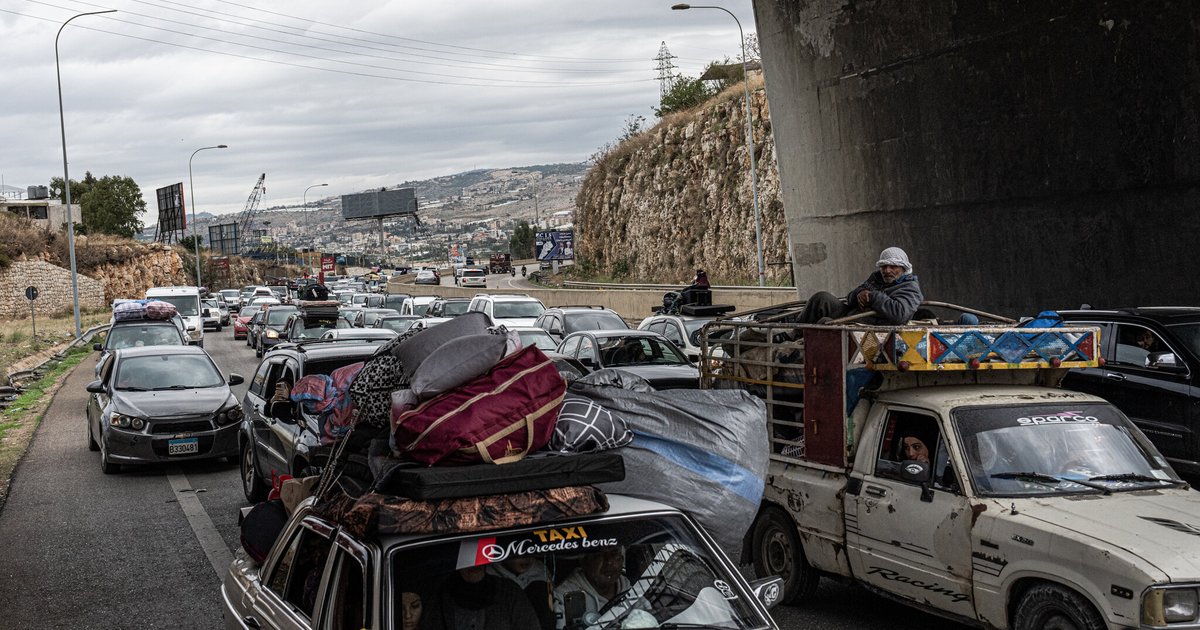
Lebanon is facing a "fierce war" amid rising violence and security threats, according to Minister of Information Paul Marqas. He explained that the Lebanese government is making intensive efforts through two parallel tracks: the first is political, aimed at addressing internal crises, and the second is humanitarian, focusing on providing support to affected citizens.
These statements come at a time when Lebanon is witnessing increasing security and economic deterioration, exacerbating the suffering of the Lebanese people. Marqas emphasized that the government is striving to create a safe and stable environment amidst the difficult circumstances faced by citizens.
Details of the Current Situation
In his remarks, Marqas confirmed that the recent attacks witnessed in the country reflect a state of chaos and instability. He pointed out that the government is working to enhance security and enforce the law, in addition to providing humanitarian assistance to those in need. He stressed that these efforts require cooperation from all relevant parties, including the international community.
Marqas also highlighted the importance of national dialogue as a means to resolve political crises, indicating that the government aims to involve all segments of society in the decision-making process. He affirmed that Lebanon needs external support to face current challenges.
Background & Context
Lebanon has been living in a state of political and economic instability for years, with crises exacerbated by internal divisions and regional conflicts. The successive crises have led to a deterioration of the economic situation, negatively impacting the lives of citizens.
Historically, Lebanon has experienced several phases of conflict and strife, from the civil war in the 1970s to the current political crises. As tensions escalate, it has become essential to take urgent steps to resolve the crises and provide support to citizens.
Impact & Consequences
The implications of the current crisis extend beyond Lebanon, affecting regional stability. If the situation continues as it is, humanitarian crises may worsen, and the suffering of the Lebanese people could increase. Furthermore, ongoing chaos may lead to a greater influx of refugees into neighboring countries, putting additional pressure on those nations.
These conditions pose a significant challenge for the Lebanese government, which requires international community support to address the escalating crises. Continued instability could exacerbate economic and social conditions, threatening Lebanon's future.
Regional Significance
The crises in Lebanon are part of a series of challenges facing the Arab region. Political and economic conflicts in Lebanon could affect stability in neighboring countries, necessitating greater international attention to resolve these crises.
The stability of Lebanon is vital for the region, as it can have positive effects on neighboring countries. Therefore, any international efforts to support Lebanon during this critical phase will have beneficial impacts on regional stability.
In conclusion, Lebanon continues to face significant challenges that require the concerted efforts of both local and international stakeholders. The Lebanese government is working to contain the crisis, but it needs effective support to achieve stability and peace in the country.