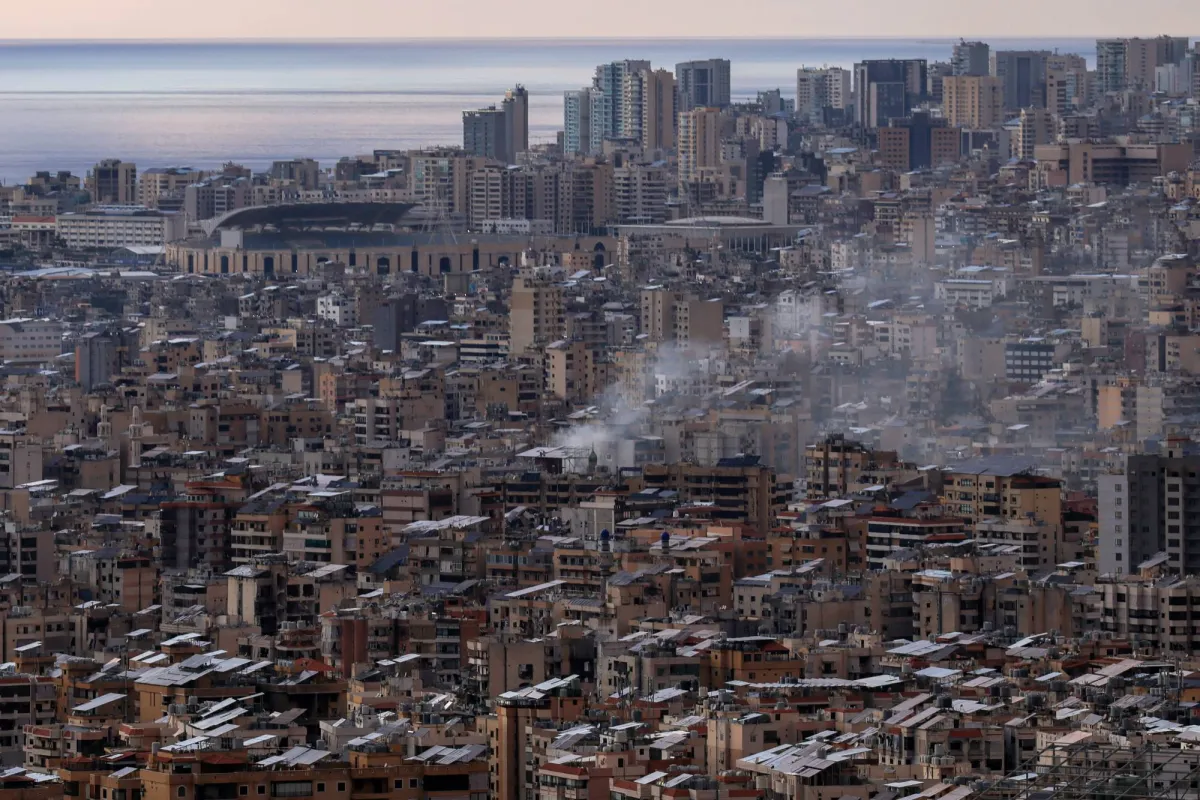
Concerns are growing in Lebanon that the country will be the biggest loser when the flames of the ongoing war in the region are extinguished. Political sources in Beirut have confirmed that the current situation heralds a severe crisis unlike anything Lebanon has witnessed in its modern history.
The crisis revolves around Hezbollah's weapons, with the Shiite majority insisting on their retention, while a majority of other components believe that the only solution for Lebanon's survival is to implement previous cabinet decisions to restrict arms. These components assert that Hezbollah has once again engaged in a regional war that exceeds its capacity to influence its course, warning that this could burden Lebanon with unsustainable liabilities.
Details of the Current Conflict
The ongoing war in the region is characterized by its high costs, both for those involved and for those affected by its repercussions. Reports indicate that Iran has suffered heavy losses in its defense and industrial institutions, which could set it back decades. However, Iran possesses significant potential in the oil and gas sectors, which may enable it to cope with the effects of the war unless its regime faces internal threats.
Conversely, post-war scenes will reveal that Iranian missiles have inflicted significant damage on several Israeli institutions, despite the success of Israeli air defenses in intercepting a high percentage of the missiles. However, the economic cost of these interceptions will be high, leading Israel to be prepared to absorb losses within what it considers an existential war.
Background & Context
Lebanon, which is suffering from a suffocating economic crisis, may face a catastrophic situation after the war ends. Estimates indicate the presence of one million displaced persons and widespread destruction in border areas with Israel, which has announced its intention to establish a safe zone within Lebanese territory. This means that Lebanon may face a return to occupation in parts of its territory, further complicating the situation.
Internal divisions among Lebanese components are deepening, threatening to shift the conflict inward. The role that Speaker of Parliament Nabih Berri used to play appears frozen or paralyzed, exacerbating tensions. Additionally, the crisis involving the Iranian ambassador reflects the deep rift between the Shiite component and other components regarding Hezbollah's weapons and Lebanon's regional position.
Impact & Consequences
Voices within Lebanon speak of the impossibility of coexistence once again between a "quasi-state" and "Hezbollah's statelet." Countries that have supported reconstruction efforts in Lebanon, particularly Gulf states, may be less willing to assist unless Lebanon can establish a state that effectively monopolizes the decision of war and peace.
Concerns are increasing that Lebanon will be the biggest loser, especially if Israel expands its ground offensive and the rift between Lebanese components deepens, potentially leading to a reconsideration of the coexistence formula itself.
Regional Significance
The repercussions of the Lebanese situation extend beyond its borders, potentially affecting the stability of the entire region. The continuation of the Israeli war on its front, even in the event of a ceasefire, may open the door to further tensions in neighboring countries. Additionally, the internal conflict in Lebanon could have negative repercussions on regional security.
In conclusion, Lebanon appears to be on the brink of a new crisis that could have far-reaching effects on its future, necessitating all concerned parties to seriously consider possible solutions to avoid further sliding into chaos.