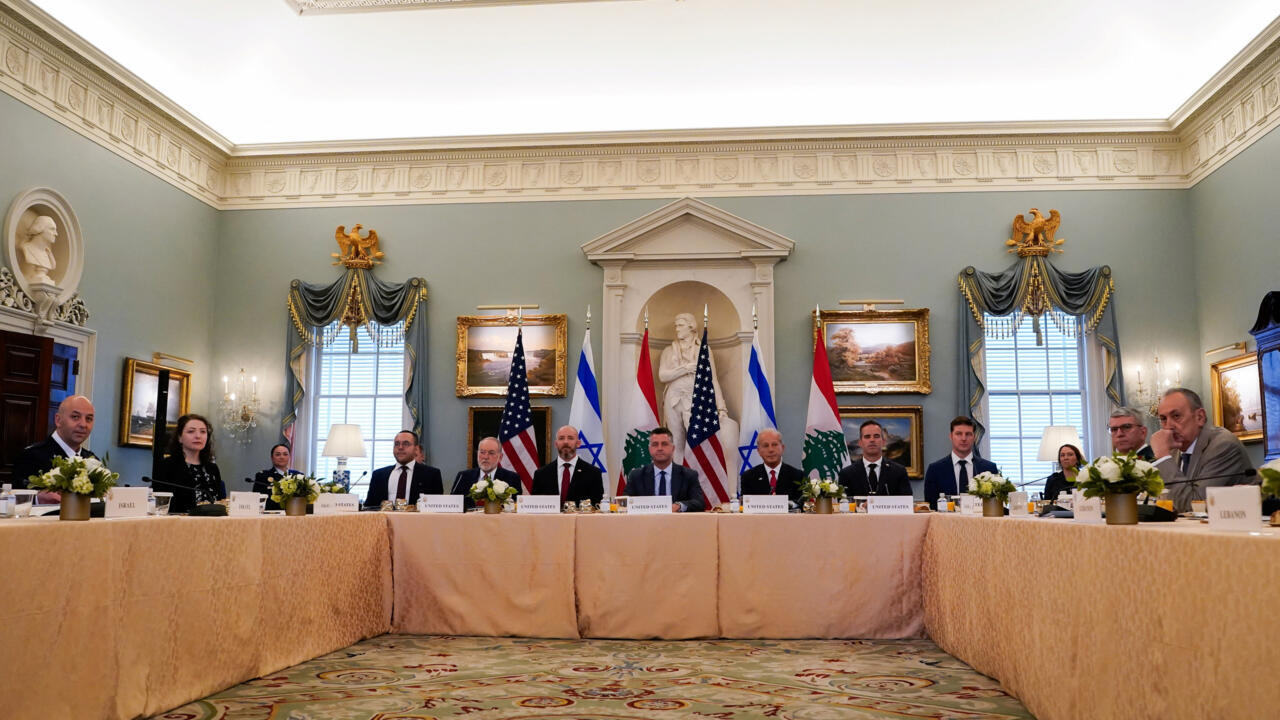
Direct negotiations between Lebanon and Israel are ongoing in Washington, raising questions about the potential for progress amid the persistent military escalation between the two sides. This fourth round of talks occurs at a time when Hezbollah opposes these negotiations, complicating the situation further.
Before the talks commenced, Lebanese President Joseph Aoun stated that "negotiation is safer than war," highlighting that Lebanon faces "fierce Israeli aggression." He noted that his country has no alternative to halt hostilities given the ongoing threats from Tel Aviv.
Details of the Event
Reports indicate that Lebanon has received confirmation from Hezbollah regarding approval of the American proposal for a mutual cessation of attacks. In this context, Lebanese Parliament Speaker Nabih Berri stated that a ceasefire must be comprehensive to ensure Hezbollah's compliance, stressing the need to stop "explosions and demolitions" in the south.
For his part, the Israeli Prime Minister confirmed that the proposed arrangement includes halting Israeli strikes on the southern suburbs of Beirut in exchange for Hezbollah refraining from launching attacks against Israel. However, Israel continues its airstrikes on southern Lebanon, while Hezbollah persists in repelling the invading forces.
Background & Context
These negotiations come amid rising tensions between Lebanon and Israel since the onset of the war in March. Retired Brigadier General Ali Abi Rida, a military and strategic expert, pointed out that Israeli demands have escalated, leading to a stalemate in previous talks. Israel has sought to impose conditions related to disarming Hezbollah, which Lebanon vehemently rejects.
Lebanon appears steadfast in its position requiring Israeli withdrawal and a ceasefire as a prerequisite for any agreement. Abi Rida indicated that any potential agreement may take a long time to materialize, as the Israeli side seeks to impose conditions that may not align with Lebanon's interests.
Impact & Consequences
If negotiations continue without achieving progress, this could lead to greater escalation in hostilities between the two sides. Any agreement reached would have significant implications for the security situation in the region, especially with Hezbollah as a key player in the equation.
Concerns are growing that continued escalation could have negative repercussions on regional security, necessitating international interventions to ensure stability. Some European countries have expressed a desire to play a positive role in this context, reflecting the international significance of the issue.
Regional Significance
The negotiations between Lebanon and Israel represent a pivotal point in the Arab-Israeli conflict, with the Arab world closely monitoring these developments. Any escalation in this conflict could impact neighboring countries and heighten tensions in the region.
The success or failure of the negotiations will have direct consequences for security and stability in Lebanon, which may also reflect on the relationships between Arab countries and Israel in the future. Therefore, closely following these negotiations is essential for understanding regional dynamics.
In conclusion, the negotiations between Lebanon and Israel are at a critical stage, requiring consensus among the involved parties to achieve peace and stability in the region.