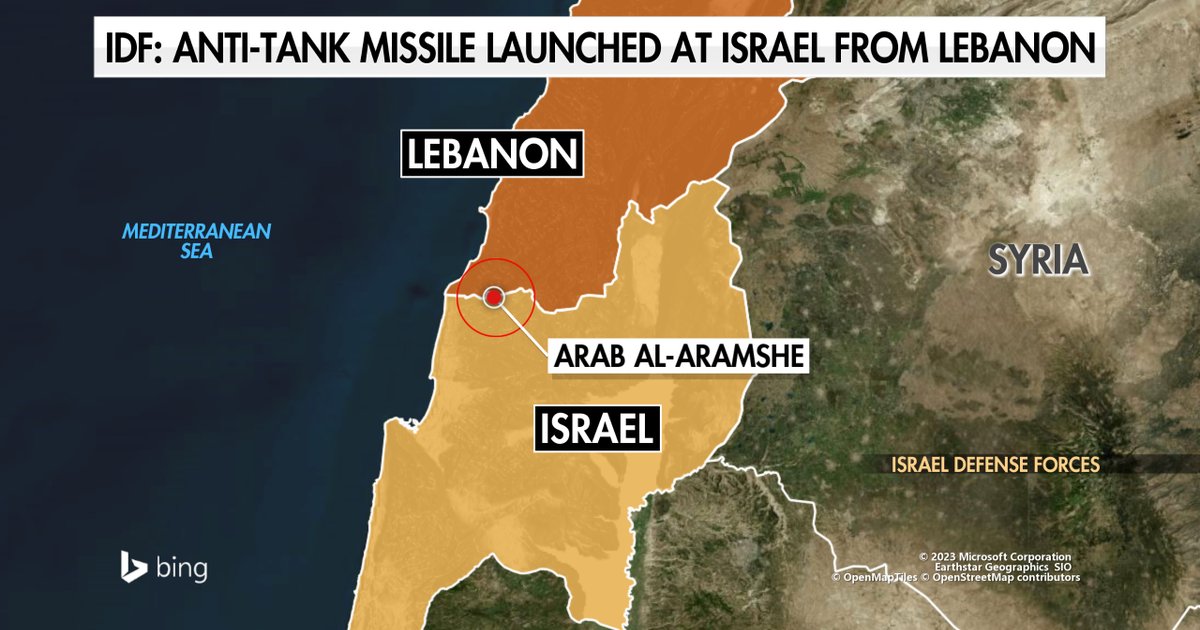
Lebanon has entered an open confrontation with Israel, as military experts warn that resolving this crisis will not be easy. The escalating military tensions between the two sides raise concerns in the region, reflecting a state of ongoing tension in the relations between the two parties.
Fears of escalating violence are growing, with reports indicating that clashes could expand to include new areas, complicating the security situation in Lebanon.
Details of the Event
In his statements, the military expert clarified that Lebanon has entered a new phase of conflict with Israel, indicating that this confrontation could be open-ended, meaning that escalation may continue for a long time. He emphasized that resolving this crisis requires significant diplomatic efforts, which may be challenging under the current circumstances.
He also pointed out that the situation in Lebanon could be significantly affected by regional developments, especially amid ongoing tensions between Israel and resistance movements in the area. These factors make it difficult to predict the course of events in the near future.
Background & Context
Historically, Lebanese-Israeli relations have witnessed recurring tensions, with several wars and conflicts over the decades. The most recent was in 2006, when the July War broke out, resulting in widespread destruction in Lebanon. Since then, the borders between the two countries have continued to experience sporadic clashes, reflecting ongoing instability in the region.
The presence of armed groups in Lebanon, such as Hezbollah, further complicates the security landscape. These groups consider Israel a primary enemy and carry out military operations against it, leading to military responses from the Israeli side.
Impact & Consequences
The current confrontation could lead to serious repercussions at the regional level. Military escalation may draw other countries into the conflict, increasing instability in the Middle East. Additionally, the economic impact could be significant, as Lebanon is already suffering from a severe economic crisis, and any military escalation could exacerbate this crisis.
Moreover, the continuation of the confrontation may affect relations between Lebanon and other Arab countries, as positions regarding the conflict may vary, increasing divisions within the Arab world.
Regional Significance
This confrontation serves as a real test of the ability to achieve peace in the region. The tensions between Lebanon and Israel could impact peace efforts in Palestine, as Palestinians seek to achieve their rights under difficult circumstances. Furthermore, any escalation may lead to an influx of refugees into neighboring countries, increasing pressure on these nations.
In conclusion, the pressing question remains: Will diplomatic efforts succeed in calming the situation, or will the region enter a new cycle of conflicts?