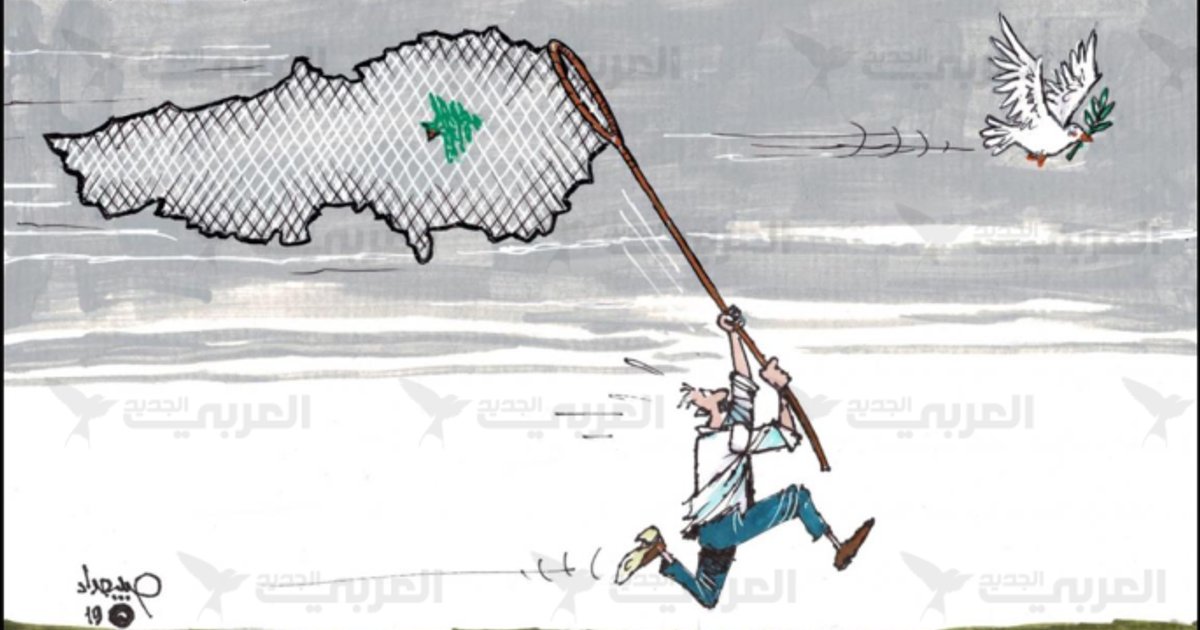
Lebanon is currently experiencing a tangled struggle of narratives, simultaneously reflecting the political and social power struggles within the country. These narratives, which vary among different factions, highlight the deep-seated tensions that the nation is enduring. As the absence of common ground persists, each narrative remains fragile and incomplete, further complicating the Lebanese landscape.
The narratives in Lebanon are diverse, with each party striving to present its own version that reflects its interests and objectives. These accounts not only represent political viewpoints but also extend to encompass profound social and cultural issues, making it difficult to reach a consensus or comprehensive solution.
Details of the Situation
In recent years, Lebanon has witnessed a rise in political tensions, with various forces competing for influence. This struggle is not limited to the political arena but extends into civil society, where divisions manifest in all aspects of daily life. Through media and social networks, these narratives are amplified, increasing polarization among the Lebanese populace.
Some political forces seek to utilize these narratives as tools to bolster their power, while others attempt to present alternative accounts aimed at achieving justice and equality. However, the most pressing question remains: how can the Lebanese people transcend these divisions and build a common ground?
Background & Context
Historically, Lebanon has suffered from both internal and external conflicts, ranging from the civil war in the 1970s to the current political and economic crises. This historical backdrop contributes to shaping contemporary narratives, as each faction relies on past experiences to justify its current positions.
Regional and international factors also intertwine in this context, with major powers playing roles in either bolstering or undermining stability in Lebanon. This external intervention complicates the situation, making it challenging for the Lebanese to arrive at local solutions.
Impact & Consequences
These conflicting narratives significantly affect the daily lives of Lebanese citizens, contributing to social divisions and exacerbating economic crises. Moreover, the lack of common ground hinders reform and development efforts, increasing the suffering of the populace.
Furthermore, the continuation of this narrative conflict could lead to a worsening of political crises, threatening stability in the country. Under these circumstances, hope remains for the possibility of reaching historical compromises among the various parties, but this requires genuine efforts from all stakeholders involved.
Regional Significance
Lebanon's experience serves as a complex model that could influence other Arab countries facing internal conflicts. Understanding how to manage competing narratives can provide valuable lessons for nations facing similar challenges.
Additionally, Lebanon's stability has a direct impact on regional security, as crises within its borders can have repercussions for neighboring countries. Therefore, effectively addressing these narratives could contribute to enhancing stability across the region as a whole.
In conclusion, the narrative conflict in Lebanon is an issue that requires serious attention, as the absence of common ground obstructs progress toward a better future. Building a shared narrative may be the first step toward achieving stability and development in this country that is grappling with multiple crises.