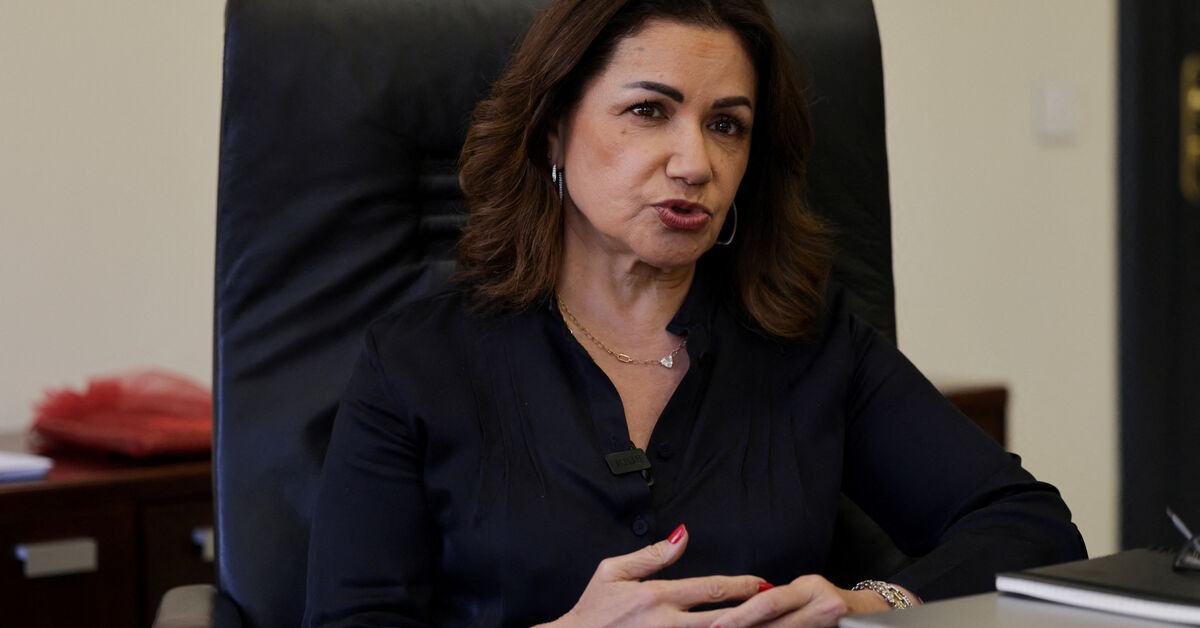
Lebanon is preparing for the likelihood that hundreds of thousands of displaced individuals may not return to their homes in the long term due to Israeli pressures, according to the Lebanese Minister of Social Affairs, Hanin Said. This statement comes at a critical time as fears grow over the worsening displacement crisis in the country.
Said's remarks followed declarations from Israeli Defense Minister Israel Katz, who announced that the Israeli army would destroy all homes along the border with Lebanon, preventing approximately 600,000 people from returning to their villages in southern Lebanon. These statements raise concerns in Lebanon, where the country is already grappling with a severe economic crisis and a significant funding shortfall to address the repercussions of displacement.
Details of the Situation
These statements are part of the ongoing escalation between Lebanon and Israel, where the region has recently witnessed increasing tensions. Repeated Israeli attacks have led to the displacement of many families, adding to the burdens on the Lebanese government, which is already facing substantial economic and social challenges.
This comes at a time when Lebanon is suffering from a crippling economic crisis, with poverty rates estimated at around 80%, making it difficult for the government to provide necessary assistance to the displaced. Minister Said warned that the lack of funding could exacerbate the humanitarian situation in the country.
Background & Context
Historically, Lebanon has experienced numerous humanitarian crises due to regional conflicts, with displacement being a part of the country’s contemporary history. Since 2011, Lebanon has welcomed over one million Syrian refugees, further straining infrastructure and public services.
These crises coincide with the deteriorating economic situation in Lebanon, where the Lebanese currency has lost over 90% of its value, significantly impacting citizens' purchasing power. In this context, the current displacement crisis presents an additional challenge for the Lebanese government, which is striving to meet the basic needs of both its citizens and refugees alike.
Impact & Consequences
Estimates suggest that the continuation of displacement may worsen the humanitarian conditions in Lebanon, potentially requiring urgent international response. Additionally, the destruction of homes along the border could heighten tensions between Lebanon and Israel, possibly leading to military escalation.
Moreover, the failure of displaced individuals to return could impact the demographics in southern regions, altering local community dynamics and increasing security and social challenges.
Regional Significance
The displacement crisis in Lebanon is part of a larger picture concerning conflicts in the Arab region. Humanitarian crises in Lebanon, Syria, and Palestine reflect the ongoing challenges faced by Arab countries in addressing issues of displacement and asylum.
The continuation of these crises could affect regional stability, necessitating a response from Arab nations and the international community to ensure that necessary assistance is provided to the displaced and to improve humanitarian conditions in the region.
The situation in Lebanon requires urgent attention from the international community, as ongoing humanitarian crises and continuous displacement could exacerbate conditions in the country. A coordinated response is essential to address these challenges and ensure the rights of both displaced individuals and Lebanese citizens.