Lebanese Prime Minister Nohad Machnouk confirmed today (Monday) that the Israeli incursion into Lebanon, which is justified by claims of establishing a buffer zone or security belt, is completely unacceptable. This statement was made during a phone call with Spanish Prime Minister Pedro Sánchez, where Machnouk emphasized the need to halt Israeli military operations and withdraw from all Lebanese territories.
Machnouk praised the support provided by Spain to Lebanon on humanitarian and political levels, highlighting its effective role in the United Nations Interim Force in Lebanon (UNIFIL). For his part, Sánchez expressed Spain's support for Lebanon and its territorial integrity, condemning the attacks on UNIFIL forces and stressing the importance of conducting comprehensive investigations into these incidents.
Details of the Incident
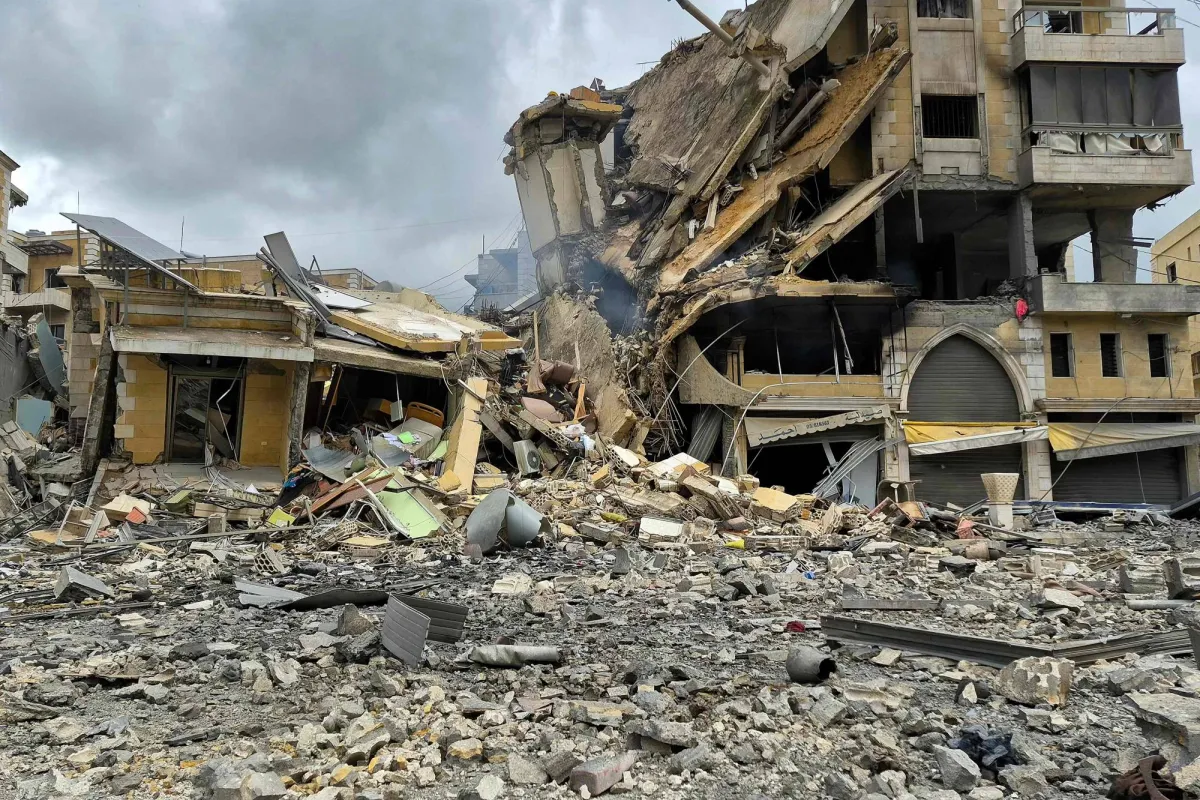
These statements come at a time when the region is witnessing significant military escalation, with Israeli warplanes conducting airstrikes on the town of Burj Rahal in southern Lebanon, resulting in the deaths of three individuals and injuries to others. The airstrikes also targeted other areas such as Arzon and Ghindouriya, further intensifying tensions in the region.
In response, Hezbollah announced its targeting of Israeli settlements with rocket fire, reflecting the rising hostilities between the two sides. The party indicated that these operations are part of its response to repeated Israeli assaults.
Background & Context
Historically, Lebanon has experienced ongoing tensions with Israel, especially following armed conflicts that erupted in recent years. The Israeli incursion into Lebanese territory is considered a violation of Lebanese sovereignty and raises concerns within the international community, which seeks to achieve stability in the region.
These events coincide with escalating relations between the United States and Iran, where Iranian-backed armed factions are exchanging attacks with American forces in Iraq. This escalation complicates the security situation in the region and reflects the interconnection of regional crises.
Impact & Consequences
These developments could exacerbate the security situation in Lebanon, threatening internal stability. Additionally, the continuation of military operations may negatively impact the humanitarian situation in Lebanon, which is already suffering from economic and social crises.
On the international front, these events may lead to diplomatic interventions by major powers, particularly the United States, which seeks to maintain balance in the region. Furthermore, military escalation could affect peace efforts in the Middle East.
Regional Significance
The events in Lebanon are part of a broader conflict in the region, where the interests of regional and international powers intersect. The military escalation may influence relations between Arab countries, especially those with ties to Iran or Israel.
In conclusion, the situation in Lebanon remains sensitive and requires concerted efforts from the international community to ensure peace and stability. The ongoing military tensions could lead to serious repercussions for regional security.