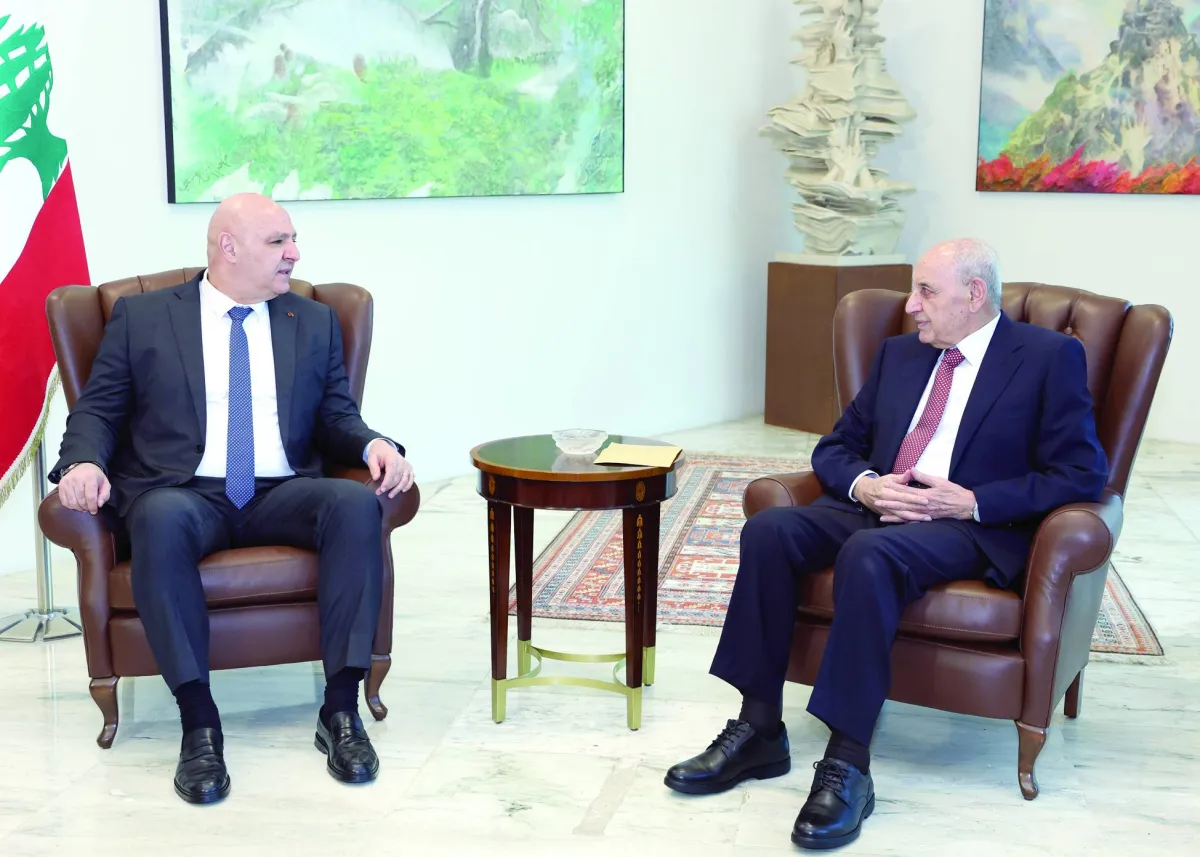
The Lebanese government has announced its firm rejection of linking the country's fate to negotiations between Iran and the United States, stressing the necessity of addressing local crises independently. This position comes amid active communications aimed at maturing the conditions for US-Iranian negotiations, which are being mediated by Pakistan and involve Arab-Islamic participation.
The Lebanese government seeks to emphasize that the difficult circumstances the country is experiencing necessitate its inclusion as a priority on the international agenda, away from any regional entanglements. This stance coincided with a meeting held between a high-ranking Egyptian security delegation and prominent officials from Hezbollah, where ideas to end the conflict with Israel were discussed as a first step toward achieving stability in Lebanon.
Details of the Meeting
The meeting, sponsored by the Director General of Lebanese General Security, Major General Hassan Shuqair, addressed a set of ideas presented by the Egyptian delegation to the party, aimed at establishing a framework for restoring stability to Lebanon. The Egyptian delegation confirmed that it would develop these ideas based on feedback from Washington and Tel Aviv, knowing that Hezbollah has expressed its willingness to negotiate a halt to Israeli aggression.
At the same time, the party reaffirmed its commitment to the unity of path and destiny between Lebanon and Iran, indicating that the Iranian leadership had informed the party of the necessity to end the war simultaneously on all fronts, which places Lebanon in a sensitive position under current circumstances.
Background & Context
Historically, Lebanon has witnessed ongoing tensions due to regional conflicts, with Iran playing a pivotal role in supporting Hezbollah. As tensions escalate between Iran and the United States, Lebanon has become a battleground for the influences of these conflicts. The Lebanese government, suffering from crippling economic and political crises, strives to maintain the independence of its national decision.
The current diplomatic moves come at a sensitive time, as pressures on Lebanon increase due to the ongoing conflict with Israel, which requires a swift and effective response from the Lebanese government. The Speaker of the Parliament, Nabih Berri, has expressed optimism about the possibility of reaching a comprehensive agreement that ensures Lebanon's stability, despite emphasizing the need to separate Lebanese and Iranian paths.
Impact & Consequences
Concerns are rising that any link between Lebanon's fate and the negotiations between Iran and the United States could exacerbate local crises, increasing the suffering of the Lebanese people. The Lebanese government calls on the international community to support it in facing the challenges it encounters, as Lebanon cannot bear more crises.
Furthermore, the continuation of the conflict with Israel could lead to a new military escalation, threatening security and stability in the region. In this context, the Lebanese government must take effective steps to ensure the protection of the country's interests away from regional tensions.
Regional Significance
Developments in Lebanon are indicative of how regional conflicts affect neighboring countries. Any escalation in the conflict could have negative repercussions on regional security, necessitating Arab nations to take clear positions to support Lebanon during this critical phase.
In conclusion, the situation in Lebanon remains complex, requiring the government to make decisive decisions that ensure the country's stability away from regional pressures. Maintaining the independence of the Lebanese decision is vital in facing current challenges.