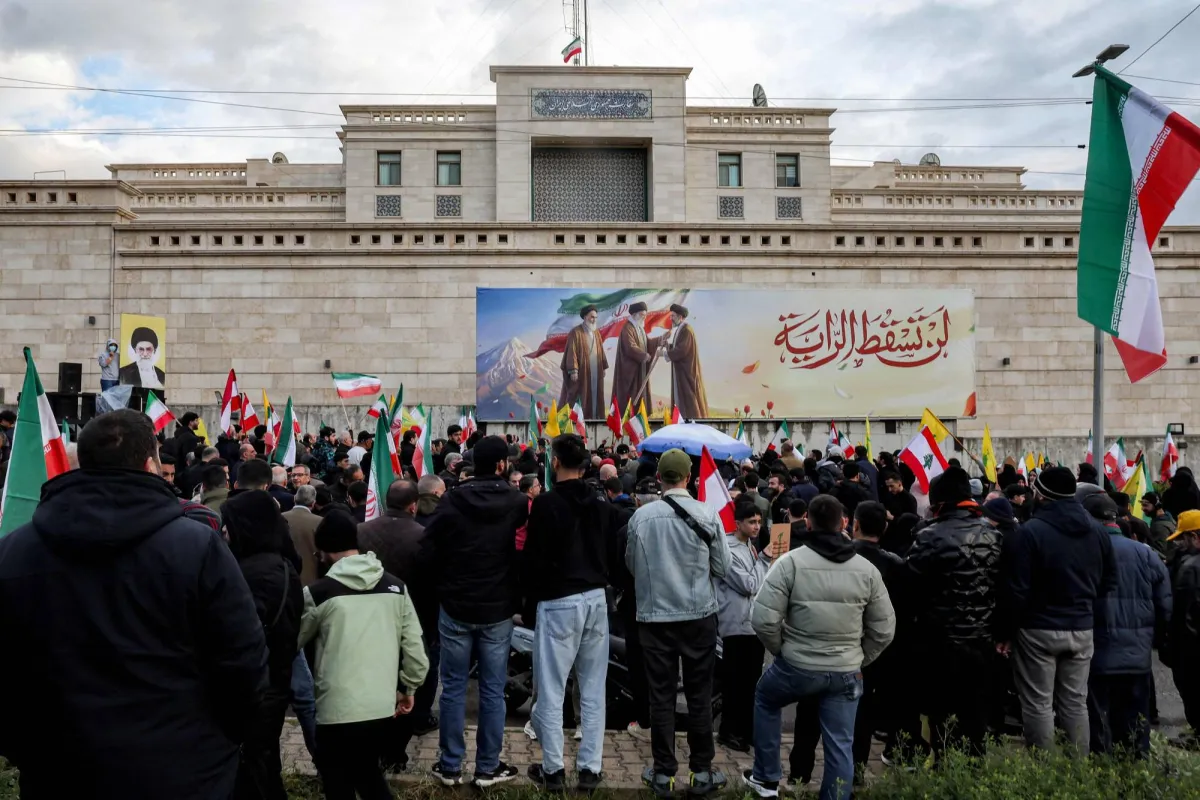
The Lebanese Foreign Ministry announced on Tuesday that it had withdrawn the accreditation of Iranian Ambassador Mohammad Reza Shibani in Beirut and requested that he leave the country by Sunday. This decision was met with strong rejection from Shiite forces in Lebanon, led by Hezbollah and the Amal Movement, complicating relations between Lebanon and Iran.
In a swift reaction, Iran confirmed that its ambassador would remain in Lebanon despite being declared a persona non grata by the Lebanese government. Iranian Foreign Ministry spokesperson Ismail Baghaei stated at a press conference, "Our ambassador will continue his work as Iran's ambassador in Beirut and will remain there," indicating that the embassy in Beirut is still operating normally.
Details of the Incident
This incident marks the second of its kind in Lebanon-Iran relations, as similar tensions were witnessed in 1983 when the Lebanese government decided to sever ties with Iran and expel chargé d'affaires Mahmoud Nourani, which was also met with rejection from Shiite forces in Lebanon. The crisis continued until February 1984 when the Lebanese government changed and relations with Iran were restored.
Historically, diplomatic relations between countries have faced similar crises, with the United Kingdom and Libya serving as an example. In 2011, during the Libyan revolution, the British government transferred diplomatic recognition from Gaddafi's regime to the National Transitional Council, leading to the expulsion of Libyan diplomats, although some Gaddafi loyalists continued to work at the embassy.
Background & Context
Diplomatic relations are characterized by transformations and tensions, often ending in the recall of diplomats to their home countries or reaching settlements. In 2023, relations between France and Niger experienced a similar diplomatic crisis when the French ambassador was asked to leave the country following a military coup, resulting in strained relations between the two nations.
Additionally, relations between the United States and Venezuela faced significant tensions after the U.S. government recognized Juan Guaido as the country's president in 2019, prompting Venezuelan President Nicolas Maduro to order American diplomats to leave the country, which they refused to comply with.
Impact & Consequences
These events raise questions about the future of relations between Lebanon and Iran, especially amid rising political pressures in Lebanon. This crisis also reflects broader regional tensions between Iran and other countries in the area, which could impact political stability in Lebanon.
On the other hand, the continued presence of the Iranian ambassador in Lebanon may enhance Iran's influence in the region, raising concerns among some Arab countries that fear increased Iranian involvement in the internal affairs of Arab states.
Regional Significance
This crisis is part of a series of regional tensions affecting the area, where political and military interests intersect. The ongoing strained relations between Lebanon and Iran could exacerbate security conditions in Lebanon, especially with armed groups like Hezbollah present.
In conclusion, diplomatic relations between countries remain a stage for tensions and conflicts, necessitating careful monitoring by observers and analysts. Developments in this crisis could significantly impact the political landscape in Lebanon and the region as a whole.