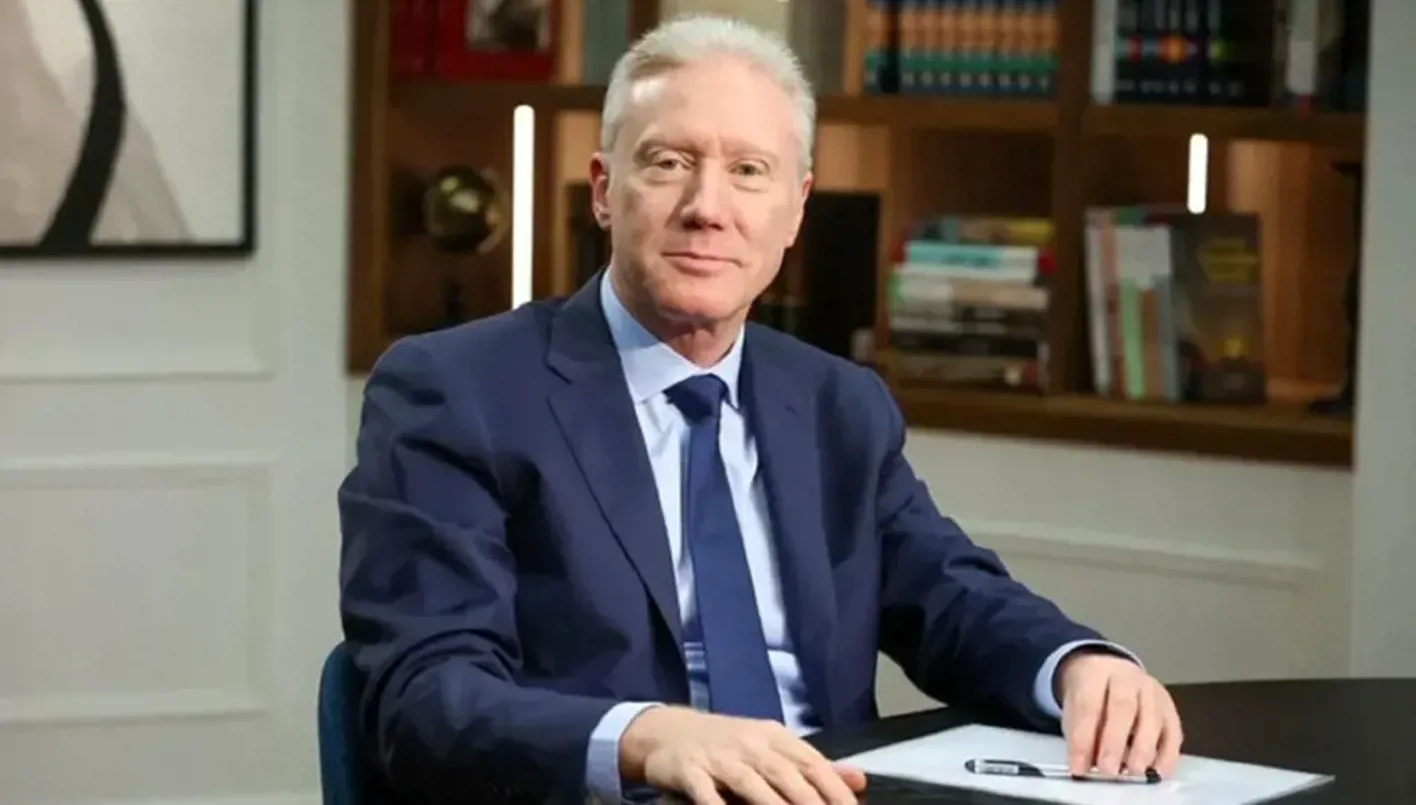
The Lebanese Foreign Ministry announced that it has withdrawn the accreditation of the newly appointed Iranian ambassador, requesting him to leave the country by next Sunday. This decision comes as political tensions in the region escalate and reflects the diplomatic shifts in Lebanese-Iranian relations.
As Lebanon continues to face significant economic and political challenges, this decision appears to indicate the Lebanese government's desire to take a clearer stance towards Iran, especially in light of increasing international and regional pressures.
Details of the Event
The recently appointed Iranian ambassador was expected to play an important role in strengthening relations between Lebanon and Iran. However, the Lebanese government's decision to withdraw his accreditation suggests changes in Lebanon's foreign policy, which may be driven by pressures from Western and Arab powers.
This decision came after a series of statements from Israeli officials, who confirmed that the Trump administration seems determined to reach an agreement with Iran. These statements could have significant implications for regional relations, including those between Lebanon and Iran.
Background & Context
Historically, Lebanese-Iranian relations have been complex, with Iran playing a prominent role in supporting Hezbollah, which is considered one of the influential political and military forces in Lebanon. However, the political situation in Lebanon has undergone significant changes in recent years, affecting relations with Iran.
Moreover, the economic and political pressures that Lebanon is experiencing, including a severe economic crisis, have prompted the Lebanese government to reassess its foreign relations, including its ties with Iran.
Impact & Consequences
This decision could have significant repercussions on the relations between Lebanon and Iran, potentially leading to increased tensions between the two countries. Additionally, this decision may affect Hezbollah's position, which relies on Iranian support in many areas.
Furthermore, this decision could open the door for Lebanon to strengthen its relations with Arab and Western countries in an effort to bolster its position in the regional arena.
Regional Significance
In a broader context, this decision reflects the increasing tensions in the region, where fears of escalating conflicts between regional powers are growing. Additionally, the statements from Israeli officials regarding the Trump administration's intentions to reach an agreement with Iran may complicate the situation in the region further.
Ultimately, this decision indicates a potential shift in Lebanese foreign policy and may have far-reaching effects on regional and international relations.