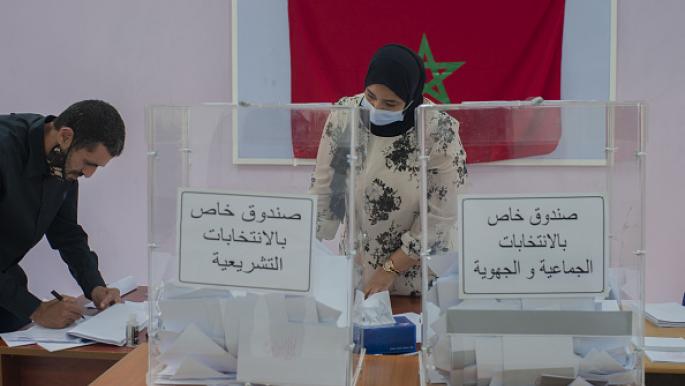
Left opposition parties in Morocco are working to enhance electoral and political coordination among themselves, aiming for unity and solidarity. This initiative comes at a critical time when Moroccan politics faces multiple challenges.
Pressure is mounting on leftist parties, which have seen a decline in popularity in recent years, prompting them to consider new strategies to strengthen their presence in the political landscape. Recent meetings among the leaders of these parties have shown a strong desire to overcome past disagreements and work together towards common goals.
Details of the Initiative
Reports indicate that these movements include the formation of coordinating committees among leftist parties, aimed at developing a joint action plan in preparation for the upcoming elections. Several key points related to social and economic policies that these parties will adopt in their electoral campaigns have been identified.
The topic of enhancing youth participation in the political process has also been addressed, as the parties seek to attract new voters through programs that align with their aspirations. This initiative is considered an important step towards rebuilding trust between the parties and the public.
Background & Context
Historically, leftist parties have played a significant role in Moroccan political life, but they have experienced a noticeable decline in recent years due to various factors, including internal divisions and shifts in voter preferences. However, these parties still possess a loyal base of supporters, making it essential to rebuild trust between them and their constituents.
In recent years, the Moroccan political landscape has seen a rise in right-wing and Islamic parties, increasing the need for strategic alliances among leftists. Recent elections have shown that voters are seeking new alternatives, compelling the left to rethink its strategies.
Impact & Consequences
If these parties succeed in achieving unity, it could have a significant impact on the results of the upcoming elections. Coordination among leftists may increase their chances of winning seats in parliament, potentially altering the balance of political power in the country.
Moreover, these movements could enhance the left's role in shaping public policies, particularly in areas such as education, health, and social justice, which are of great concern to a wide segment of citizens. Thus, the success of this initiative could contribute to improving the living conditions of many citizens.
Regional Significance
The experience of the Moroccan left serves as a model that could benefit leftist movements in other Arab countries facing similar challenges. Strengthening coordination among leftist parties may help build a united front to tackle political and economic challenges in the region.
Additionally, the success of these parties in Morocco could inspire leftist movements in other countries, potentially leading to changes in the broader Arab political landscape. Given the current circumstances, the Arab left needs to reassess its strategies and unify its efforts to confront increasing challenges.
In conclusion, these movements represent a new opportunity for left opposition parties in Morocco to rebuild themselves and achieve their goals. In the current political climate, unity and coordination among these parties could be the key to future success.